Near-Infrared Spectroscopy (NIRS)
Definition
NIRS, or Near-InfraRed Spectroscopy, is a spectroscopic method that uses the near-infrared region of the electromagnetic spectrum (from 800 - 2500 nm). Karl H. Norris developed this technique in the 1960s, in order to analyse agricultural products in particular.
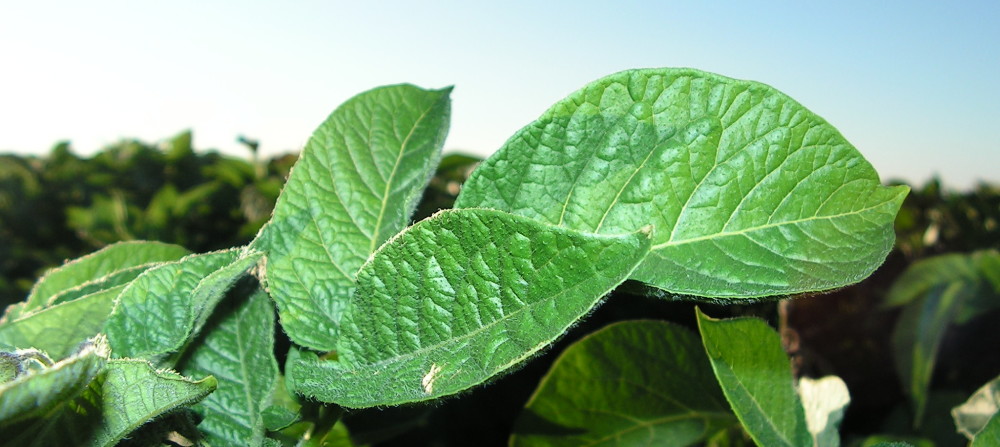
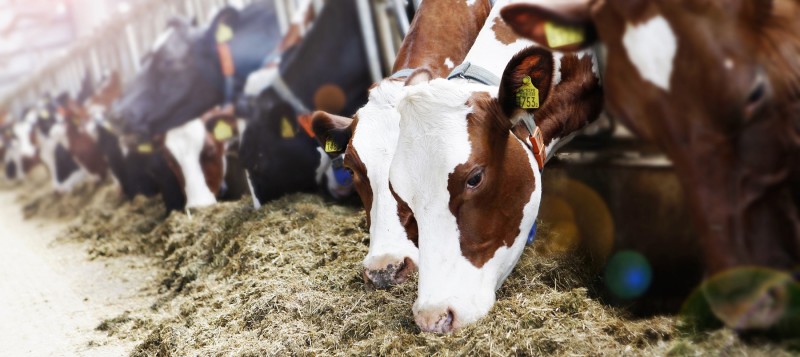
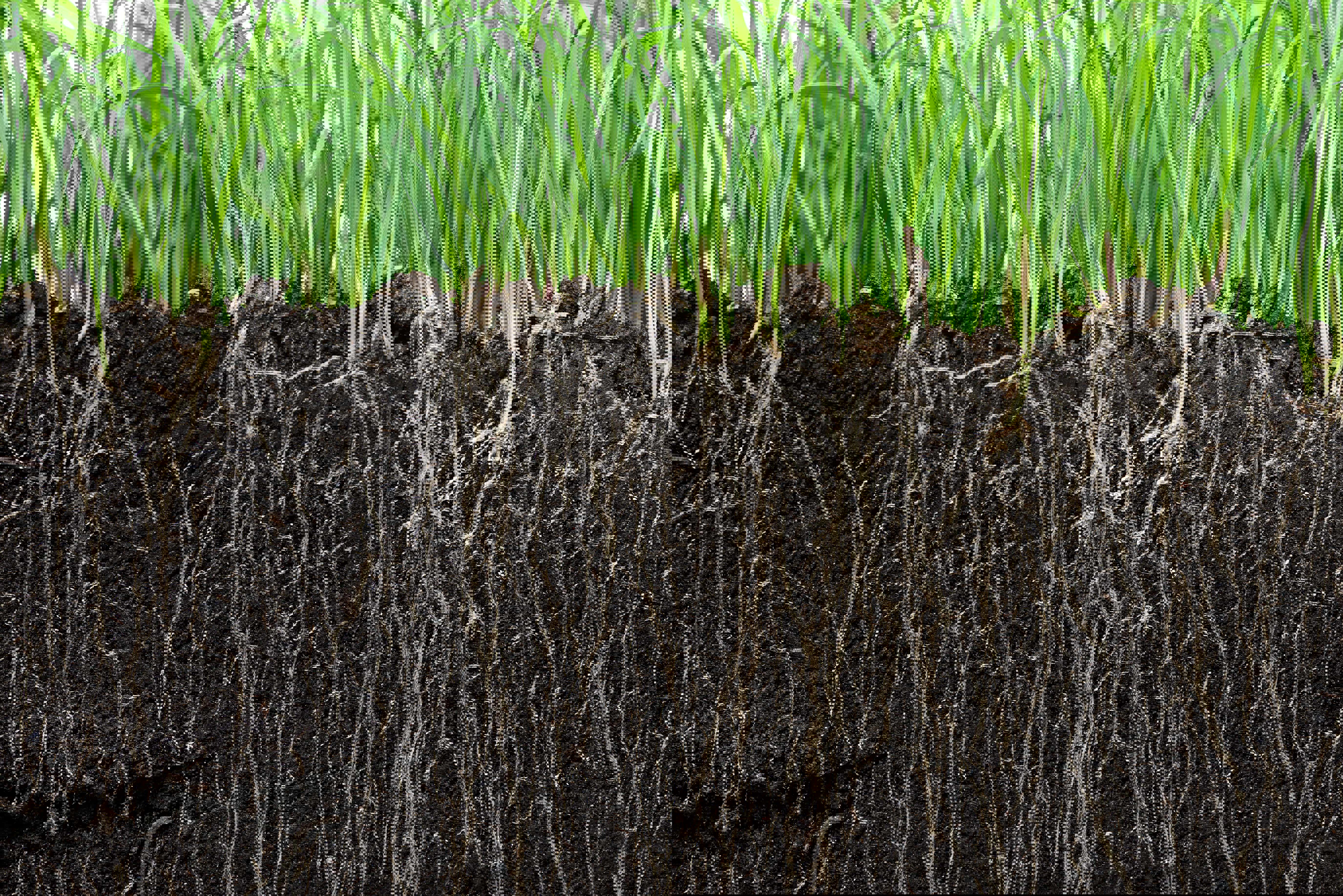
Eurofins Agro uses NIRS for the analysis of forage, raw materials, soil and manure samples.
How NIRS works
NIRS is a useful analytical technique due to the fact that different molecules absorb and reflect near-infrared light to different extents. When molecules absorb energy from near-infrared light, this energy is converted into kinetic energy. As a result, the atoms within the molecules move faster, bending, stretching or rotating alongside one another.
The more light that is absorbed by molecules, the less light that is left to be reflected. The near-infrared portion of the light spectrum is primarily absorbed by bonds between hydrogen, carbon, oxygen, nitrogen and sulfur. Such chemical elements are found in water and compounds such as fats, proteins and cell walls.
Minerals and trace elements, on the other hand, are not visible in a NIR-spectrum, because they do not have such bonds.
Learn more
Curious about the difference between handheld and laboratory measurements?
In this flyer you can find the answers >
Want to know more about the background of NIRS?
This white paper provides insight >