When drought changes the soil, decisions must change too
This article is the first in a series of Eurofins Agro Testing articles on extreme weather conditions.
By Dr. Arjan Reijneveld,
Director Agroscience and Development Europe
Across Europe, agriculture is increasingly being tested by a changing climate. Many regions are experiencing longer periods of drought, higher temperatures and more unpredictable weather patterns, while others face intense rainfall events that can damage soil structure and increase nutrient losses. These pressures are accelerating soil degradation, reducing water-holding capacity and making crop performance less predictable. As a result, farmers and growers are finding that traditional management practices are no longer always sufficient to maintain yields, profitability and resilience.
The observations and recommendations in this article are based on the realities faced by farmers and growers across Europe and on the experience gained by Eurofins Agro Testing through daily collaboration with the agricultural sector. From the Nordics to the Iberian Peninsula, and from the alkaline and salt-affected soils of Central and Eastern Europe, local challenges may differ, but the need for reliable soil insights is universal.
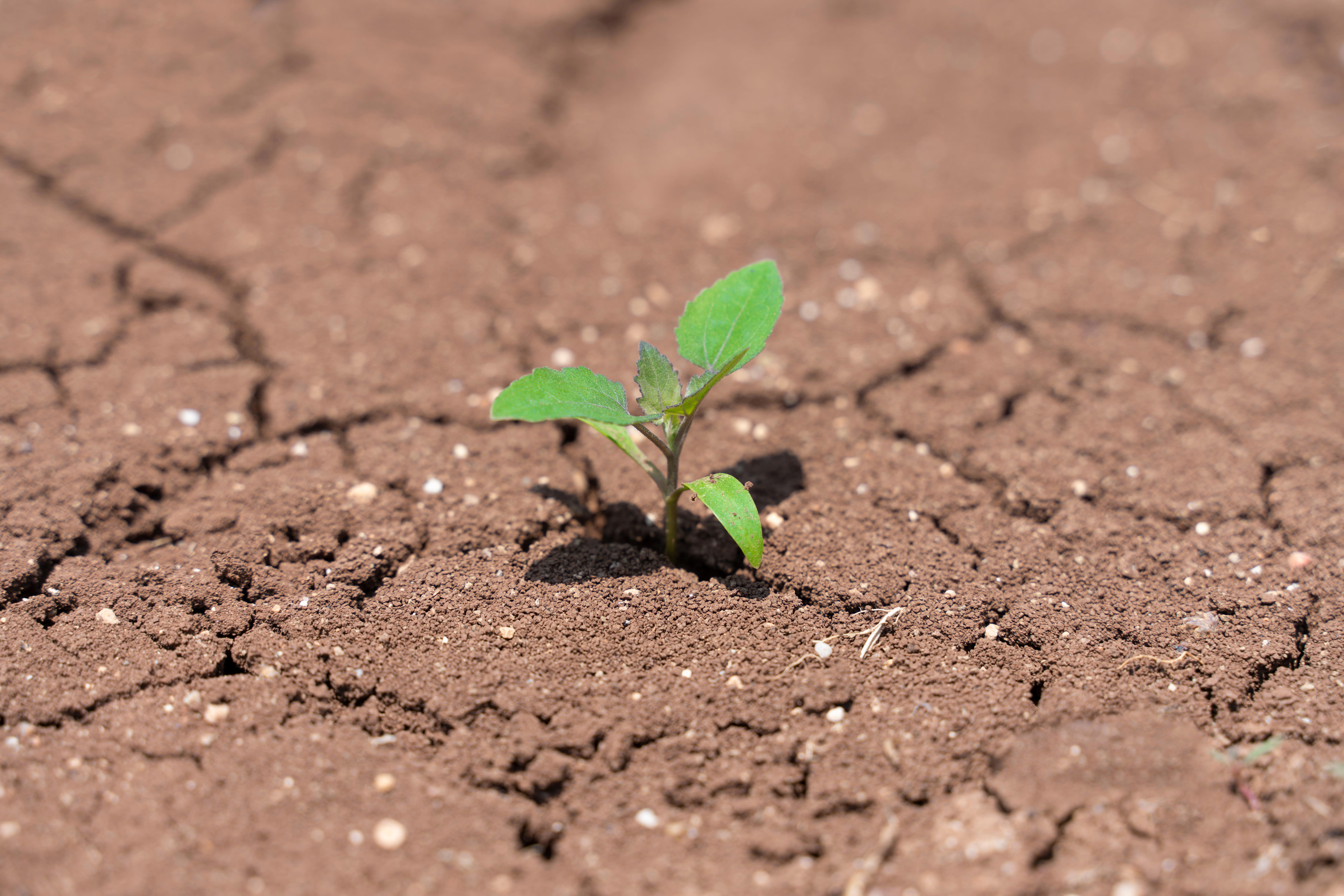
Drought is no longer an occasional challenge in Europe, it has become a structural part of modern agriculture. As rainfall patterns shift and growing seasons become more unpredictable, drought affects far more than moisture levels. Dry conditions slow nitrogen (N) and sulphur (S) mineralisation, increase salt concentrations in the root zone, shift pH, and -when the wrong decisions are made- can even damage soil structure in the long term. Poor‑quality irrigation water, for example, can accelerate structural decline with lasting consequences.
Because dry soils behave differently, growers and their advisors need accurate measurements today and smarter decisions for the future. Key considerations are outlined below.
1. How drought changes the soil
Growers begin the season without knowing how weather will unfold. Manure and fertiliser applications are made early, but when drought reduces leaching and crop uptake, plant‑available salts such as potassium and magnesium accumulate. These essential nutrients can suddenly become harmful: higher salt concentrations make it harder for roots to absorb water, increasing osmotic stress. This is hindsight wisdom, but splitting applications where possible is crucial — especially in dry years.
Soil organisms become less active under dry conditions, reducing mineralisation and lowering the natural supply of N and S (and some phosphorus (P)). However, the mineralisable material (organic matter, compost, manure) does not disappear. Once rainfall returns, N and S will still be released - potentially causing unwanted regrowth or quality issues. For many crops, additional N or S is no longer needed at this stage. Be cautious with the combination of irrigation and extra fertilisation: know what is still in the soil.
Besides this, the importance of soil analysis before side-dressing applications deserves great emphasis. Knowing how much nitrogen and other nutrients remain available in the soil helps farmers avoid unnecessary fertiliser applications, reduce production costs, and minimise salt accumulation, especially under drought conditions. In some cases, these residual nitrogen reserves can be sufficient to support the autumn development of crops such as wheat, barley, and oilseed rape, reducing the need for additional early-season nitrogen applications. Plant tissue analysis can provide additional support for in-season decisions.
In recent years, many growers have asked why pH values change after drought. Drought often changes the chemical composition of the soil solution. As nutrient concentrations increase and moisture levels decline, measured pH values may temporarily decrease, particularly in pH-water analyses.
Irrigation reduces drought stress, but water quality matters as much as water quantity. Water containing elevated sodium can damage soil structure and accelerate long‑term degradation. This is the opposite of what growers need: a well‑structured, aerated soil that can absorb intense rainfall and support deeper rooting.
2. Making better decisions during dry conditions
By knowing how much water the soil can store and release to crops, growers can irrigate more efficiently, avoid unnecessary water losses and nutrient leaching, and compare fields for drought sensitivity. In dry years, the soil water retention curve (pF-curve) becomes an essential tool for precise and cost-effective irrigation management.
Salt sensitivity varies widely: Highly sensitive: onions, strawberries, carrots, beans, peas, apples Moderately tolerant: potatoes, maize, brassicas, lettuce, clover Understanding field conditions before planting supports more resilient cropping decisions.
Varieties with deeper roots, improved water‑use efficiency or greater tolerance to heat and salinity can reduce drought risk. But genetics alone are not enough. A drought‑tolerant variety planted in a degraded or nutrient‑imbalanced soil will not perform to its potential. Resilience begins with matching genetics to soil conditions.
3. Building long-term resilience
Healthy soils are naturally more resilient to drought. Balanced nutrition, active soil biology and sufficient organic matter work together to improve water retention, nutrient availability and crop performance under stress.
All crops rely on seventeen essential nutrients, and both deficiencies and excesses can reduce resilience and increase vulnerability to drought stress. A balanced nutrient profile is therefore fundamental to maintaining crop performance under challenging conditions.
It is equally important to consider beneficial nutrients. Silicon, for example, is not classified as essential, yet it plays a meaningful role in strengthening cell walls, improving water‑use efficiency, and enhancing tolerance to drought and other stresses. Measuring plant‑available silicon in the soil helps determine whether levels are sufficient to support crop resilience.
Understanding the full nutrient spectrum - essentials and beneficials - ensures that no single element undermines the crop’s ability to withstand dry conditions.
Biology and organic matter management play a central role in how soils respond to drought. Dry conditions do not only slow mineralisation; they also weaken the biological processes that support rooting, aggregate stability and the soil’s ability to absorb and retain water. When biological activity declines, soils become less structured, less resilient and less capable of buffering extreme weather. 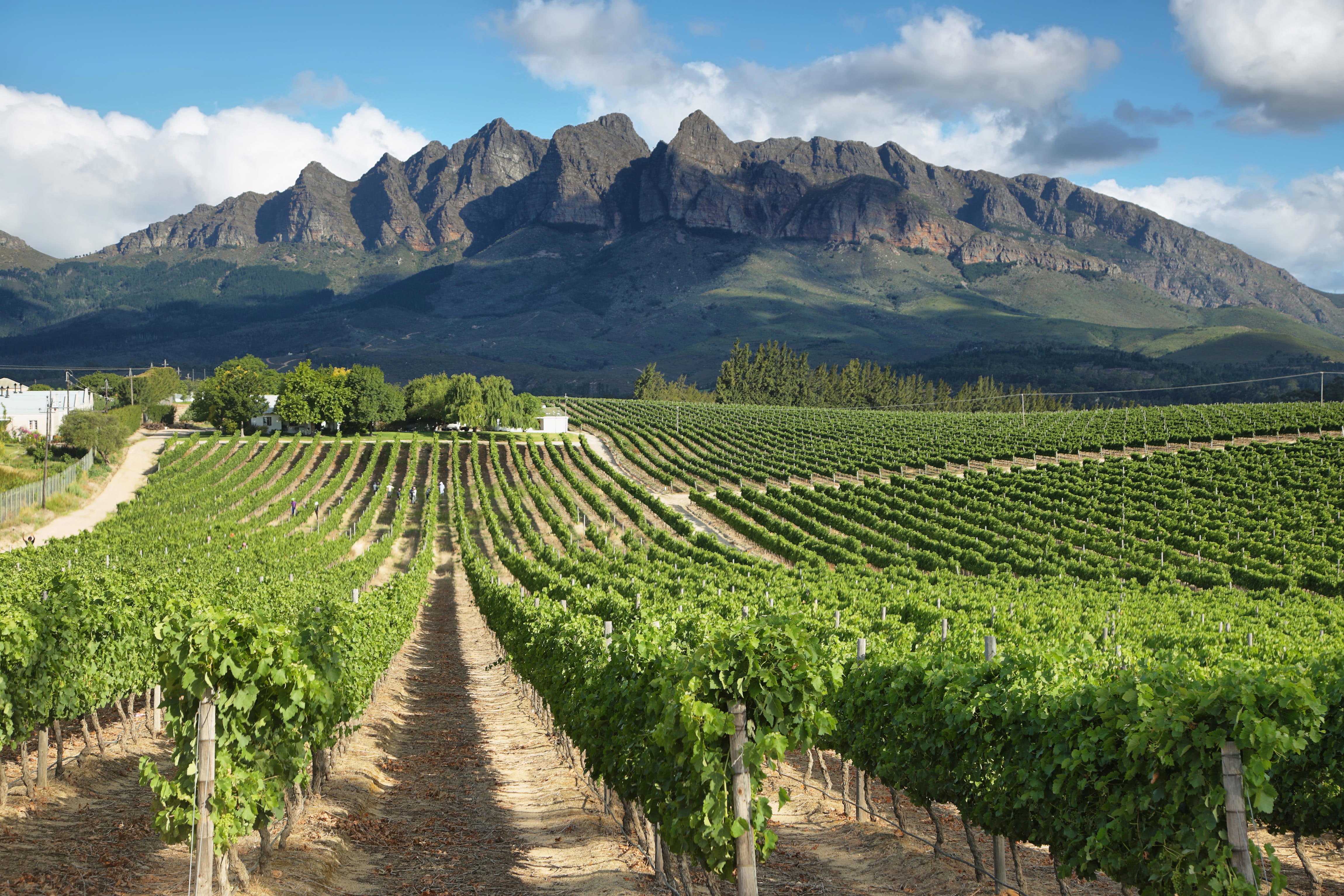
Organic matter is the foundation of soil life. It provides the food source that drives microbial activity, and it improves both water‑holding capacity and infiltration. Increasing organic matter therefore strengthens two critical functions at once: it enhances the soil’s ability to store moisture during dry periods, and it creates better conditions for future biological recovery once rainfall returns.
Maintaining and building soil organic carbon is one of the most effective long-term strategies to improve water retention, biological activity and drought resilience.
4. Why monitoring matters more in dry years
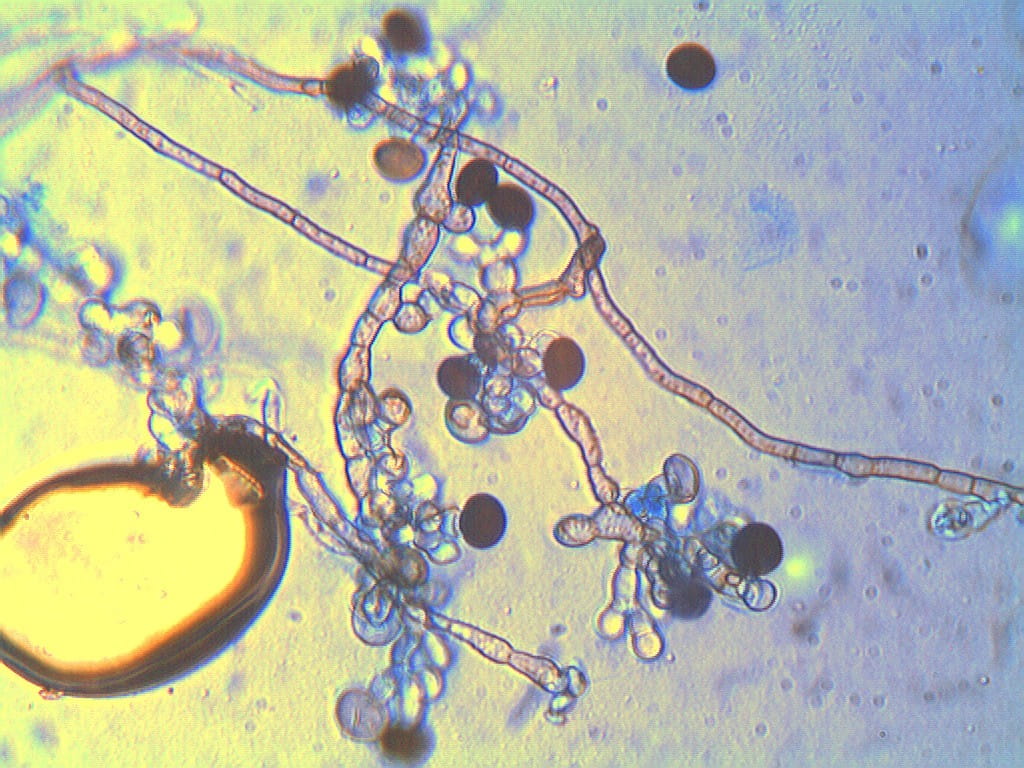
Drought impacts vary enormously between fields, soil types and regions. Two neighbouring fields may respond very differently depending on soil texture, rooting depth, organic matter content and previous management. As a result, assumptions become increasingly risky during prolonged dry periods. Monitoring provides the evidence needed to make field-specific decisions.
Dry years create uncertainty. Growers are left wondering how much nitrogen and sulphur can still mineralise, whether pH has shifted, if potassium reserves have increased, and how drought has affected phosphorus uptake. These are not questions that can be answered by observation alone.
Making data-drive decisions adapted to seasonal conditions
- Do not apply everything at the start of the season, split applications based on soil data.
- During the season, check whether adjustments are really needed.
- After the season, restore pH if needed. If pH is already correct, consider improving soil structure with calcium‑based amendments such as gypsum.
- Long‑term resilience requires investment in root development (P status), organic matter management, and balanced micronutrients.
Conclusion
Drought changes the soil. And when the soil changes, decisions must change too. Reliable soil data help growers move from assumptions to informed decisions, protecting both yields and long-term soil health.
Perspectives from across Europe
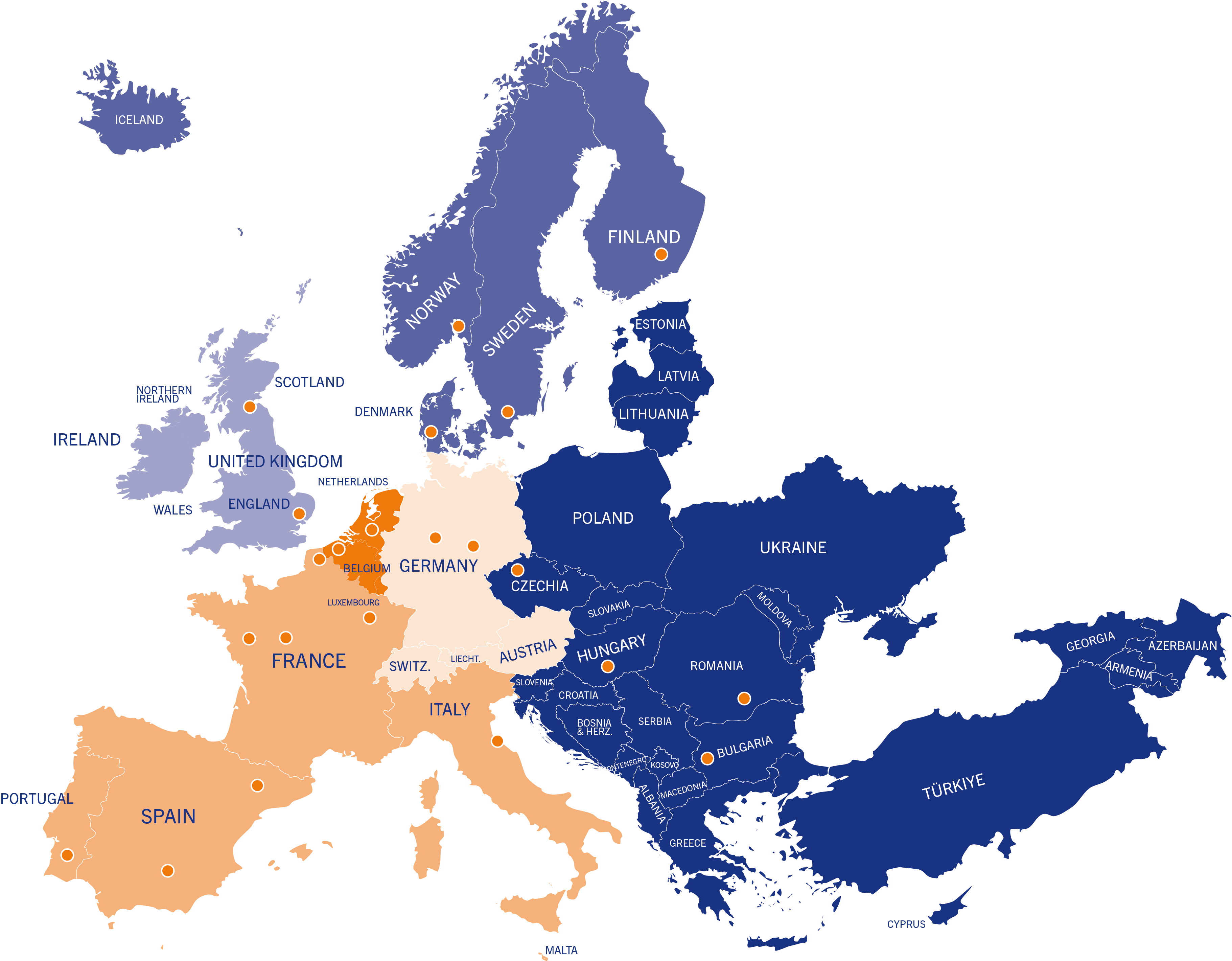
Sweden
"In Sweden, the dry growing seasons experienced in recent years have made the differences between soils increasingly apparent. Soils with good structure, high cation exchange capacity (CEC), and a balanced distribution of cations have generally shown greater resilience to drought stress. A well-structured soil supports a healthier and more extensive root system, enabling crops to explore a larger soil volume for water and nutrients. At the same time, it improves the soil's ability to supply capillary water to the root zone, increasing the availability of plant-accessible water during periods of limited rainfall." Daniel Pettersson, Account Manager & Agronomist, Sweden
France
"In our region, prolonged dry conditions severely disrupt mineral kinetics and root absorption. Combining traditional soil testing with TopDiag® analysis is no longer just an option; it is essential to monitor the crop's nutritional status in real-time and secure yields." Clément Fontaine, Agronomist, France
Hungary
"Drought periods are becoming frequent, longer and less predictable. Farmers need to adapt to sustain performance: use of water retaining soil cultivation methods, tolerant crop varieties, data driven timing and splitting of fertilisers save costs and help yields already on the short run.” Artur Thernesz, Managing Director, Hungary
Bulgaria
"In Bulgaria, drought has become one of the most significant challenges for rainfed arable crop production. The most resilient farms are those that base their fertilization decisions on soil and plant analysis, ensuring nutrients are applied only where and when they are needed. Understanding both what is available during the season and what remains after harvest is essential for optimizing costs, maintaining yields, and building long-term soil resilience." Ani Popova, PhD, Agronomy Team Manager, Bulgaria
United Kingdom
“A prolonged dry season in the UK has driven the need for crop harvesting to begin earlier than anticipated, and for many farmers this is causing concern about yields and financial returns. The UK has long-term strategies and infrastructure for water storage, however, as the impacts of climate change become increasingly apparent, so too does the need for resilient soils. Regenerative farming is a topic of frequent discussion across the UK, with many farmers looking to implement sustainable practices that will leave their land in a healthier condition for future generations and help ensure the long-term viability of the industry. This is where a comprehensive understanding of soil health and its mineral composition becomes crucial.” Kimberley Best, Soil Laboratory Manager, Scotland.