Eurofins expands physical testing facilities
4 June 2024
With recent developments in substrates and potting soils, the need to understand the physical properties of peat-reduced mixtures is increasing. Eurofins therefore expands the capacity of the physical laboratory.
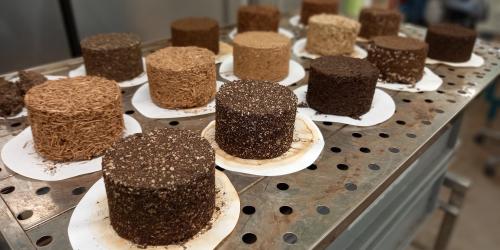
Manufacturers and growers are nowadays experimenting extensively with new potting mixes. These mixtures can contain various renewable raw materials such as coconut fibres, wood fibres, green compost, tree bark, fibres (e.g. from elephant grass (Miscanthus) or flax) and peat moss.
Challenges for cultivation
The use of these renewable raw materials presents several challenges for cultivation. Often the pH is high, and the pH buffer of these materials is lower than that of peat. In addition, nitrogen deficiency can occur due to nitrogen immobilisation and trace elements such as manganese can be unexpectedly high.
In addition, many of the new raw materials have different physical properties due to their larger pores. On the one hand this is an advantage for oxygen around the roots, but on the other hand it means that in many cases water retention is much lower. To optimise cultivation, it is important for growers to know these characteristics. Only then can the mix be optimised and the irrigation adapted to the crop's needs.
Expanded laboratory
In particular, carrying out extensive physical testing to establish different pressure levels requires research and analysis over several days and using several pieces of equipment. In order to meet the increasing demand and continue to serve growers with the speed they are expecting from Eurofins, the laboratory is currently investing in expansion of capacities. This should be operational in the course of August.
Want to know more?