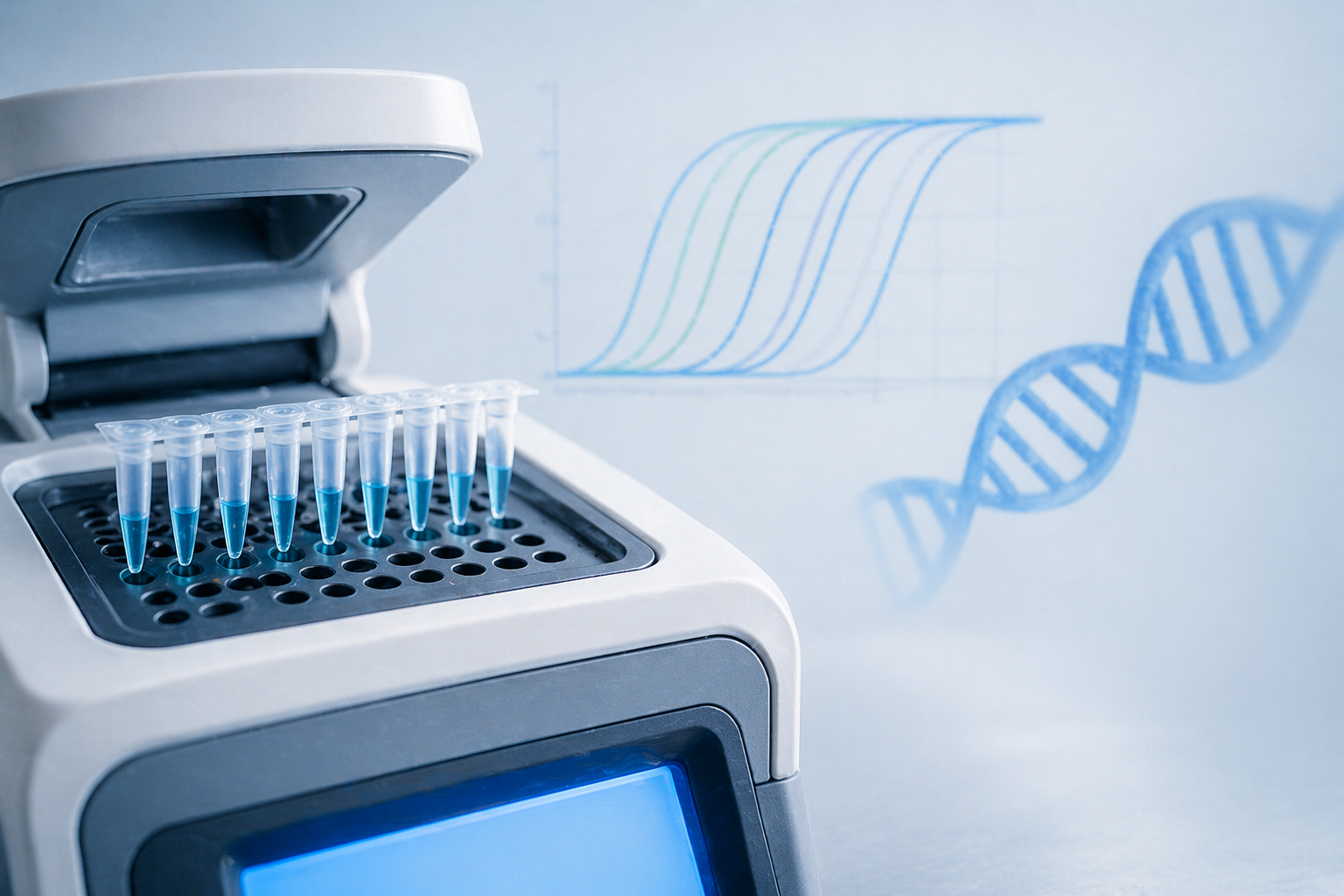
Eurofins Genomics can make and test your assay from one location, saving you time and money. We are one of the few laboratories in the US which can synthesize custom designed assays in-house and run PCR from neighboring facilities. Customizations to the process are possible, although they are dependent on the size of the project and investment cost. Whether you are looking to outsource one part of your process or searching for a strategic partner to run a PCR project, Eurofins Genomics can help.
Polymerase Chain Reaction (PCR) is a fundamental technique in molecular biology, widely used for amplifying specific DNA sequences. PCR typically requires DNA and/or RNA extraction which is performed prior to sequencing or PCR amplification. PCR is typically performed after sequencing or during the experiment to troubleshoot results.
Central to the success of PCR are oligonucleotides, which serve as primers and probes, guiding the amplification process with precision and specificity. Despite this connection, many oligonucleotide manufacturers are limited in their PCR capabilities due to the possibility of cross contamination when synthesizing oligos in close proximity of PCR amplification. Eurofins Genomics is unique in this way. We have two separate facilities located adjacent to each other, which completely separates oligonucleotide manufacturing from PCR and sequencing. This allows us to safely synthesize primers and probes to use in PCR assays and run the PCR services as well.
The PCR process typically begins with extraction. Through meticulous methodologies, we extract high-quality DNA or RNA from various sample types, including blood, cells, viruses, and waste. Our skilled scientists leave no room for contaminants, safeguarding the integrity of your DNA and providing you with trustworthy data to fuel your discoveries.
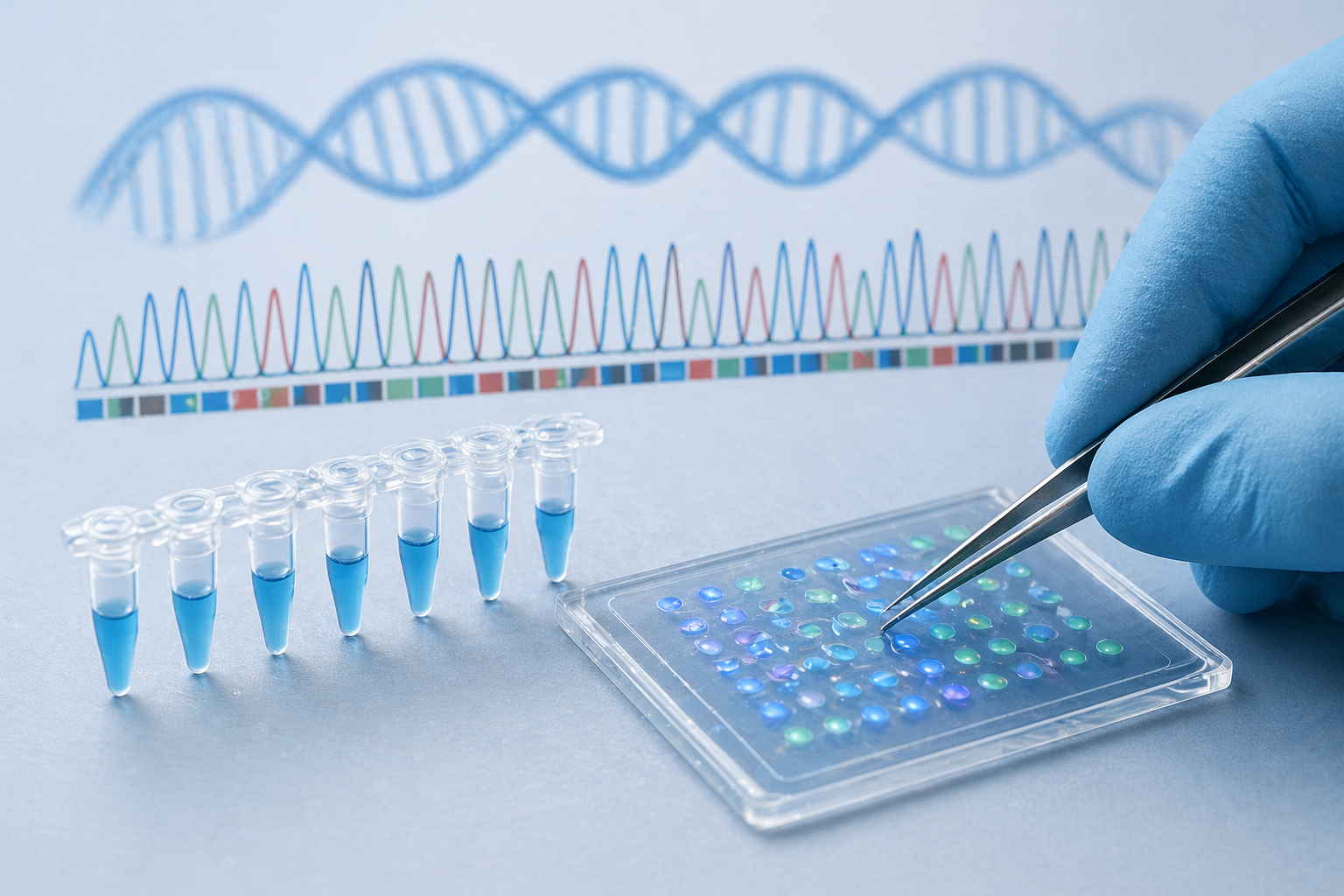
Accurate genotyping solutions identify genetic variations with confidence, supporting applications from population studies to CRISPR validation.
Our genotyping services deliver highly accurate identification of genetic variants using trusted, gold-standard technologies. By combining targeted PCR amplification with Sanger sequencing, we provide precise detection of SNPs, insertions/deletions, and other sequence variations across a wide range of sample types. This approach ensures exceptional data quality, making it ideal for applications where confidence and clarity are critical.
Designed for flexibility and reliability, our workflows support projects ranging from small-scale validation studies to high-throughput screening. Whether you are confirming CRISPR edits, verifying plasmid constructs, or analyzing population-level variation, our genotyping solutions offer fast turnaround times, expert support, and results you can trust to move your research forward.
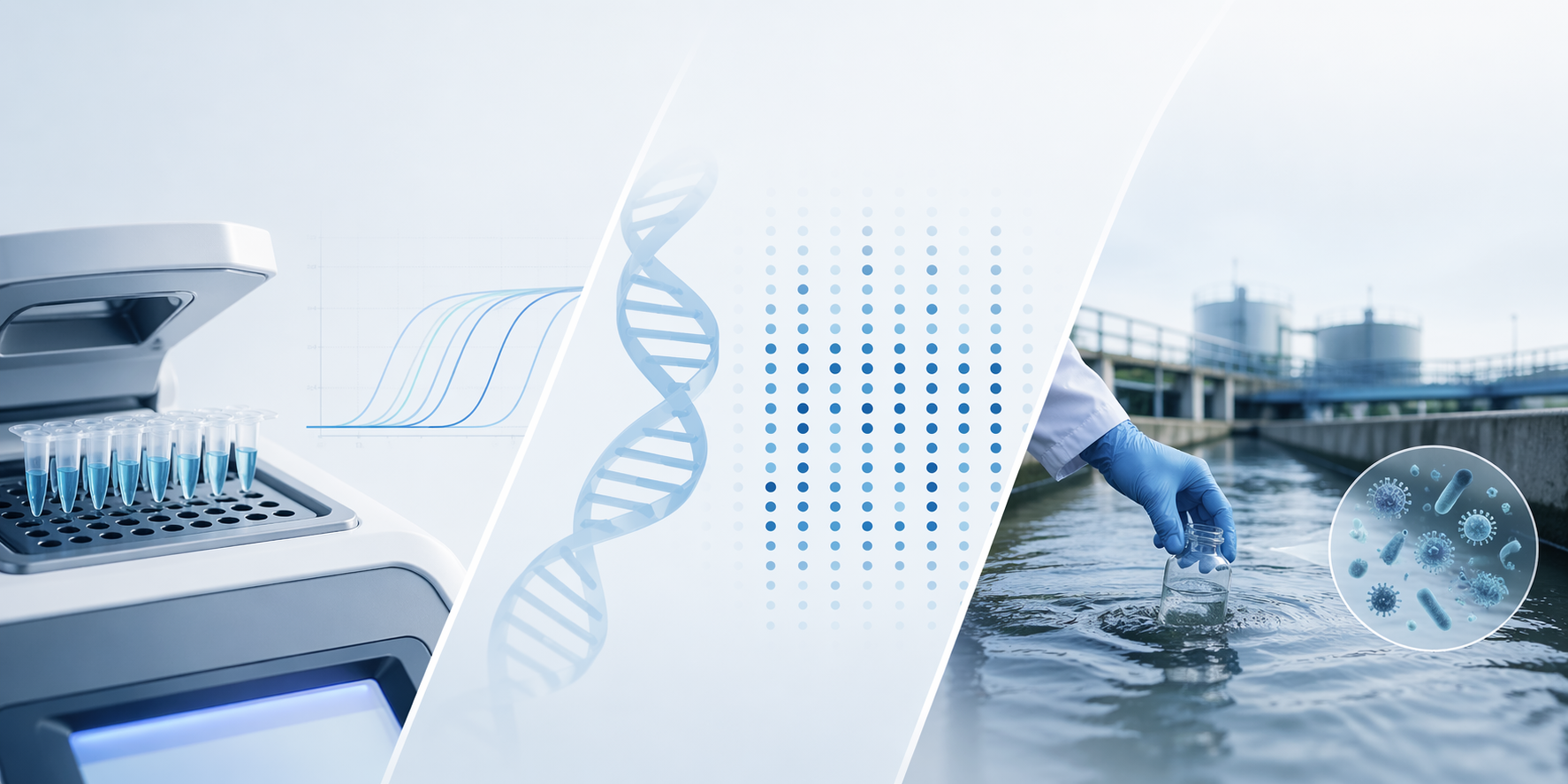
Waste water testing enables community-level monitoring of pathogens and biomarkers, providing early insights into public health trends. Our waste water testing service utilizes both qPCR and dPCR technology. Results are quantitative and actionable. Start testing your community now for a fraction of the cost of traditional, diagnostic testing.
Wastewater testing is a novel approach to surveillance testing for large groups. It is substantially cheaper than traditional testing methods, non-invasive, and provides an incredible wealth of data from a single sample. Wastewater testing can be used for a wide range of testing including tracking infections - COVID-19 pandemic, Flu A/B, RSV, and Monkeypox - to monitoring the health of communities. It works by testing the human DNA we shed in our waste.
Imagine waste water testing as an early warming system for biology. Our clients can test hundreds, even thousands of people, before an infection breaks out. This allows governments, institutions, and universities the ability to act quickly to prevent a wider health emergency. In a case study, Eurofins Genomics detected SARS-CoV-2 up to 7 days before the infected persons experience symptoms and in a population.
Eurofins Genomics is one of the few laboratories in the US that give an estimate of the number of infected people in the sample, as opposed to a simple yes/no answer that traditional testing offers. This is incredibly powerful for interpreting the results and knowing the size of the threat and the appropriate response.
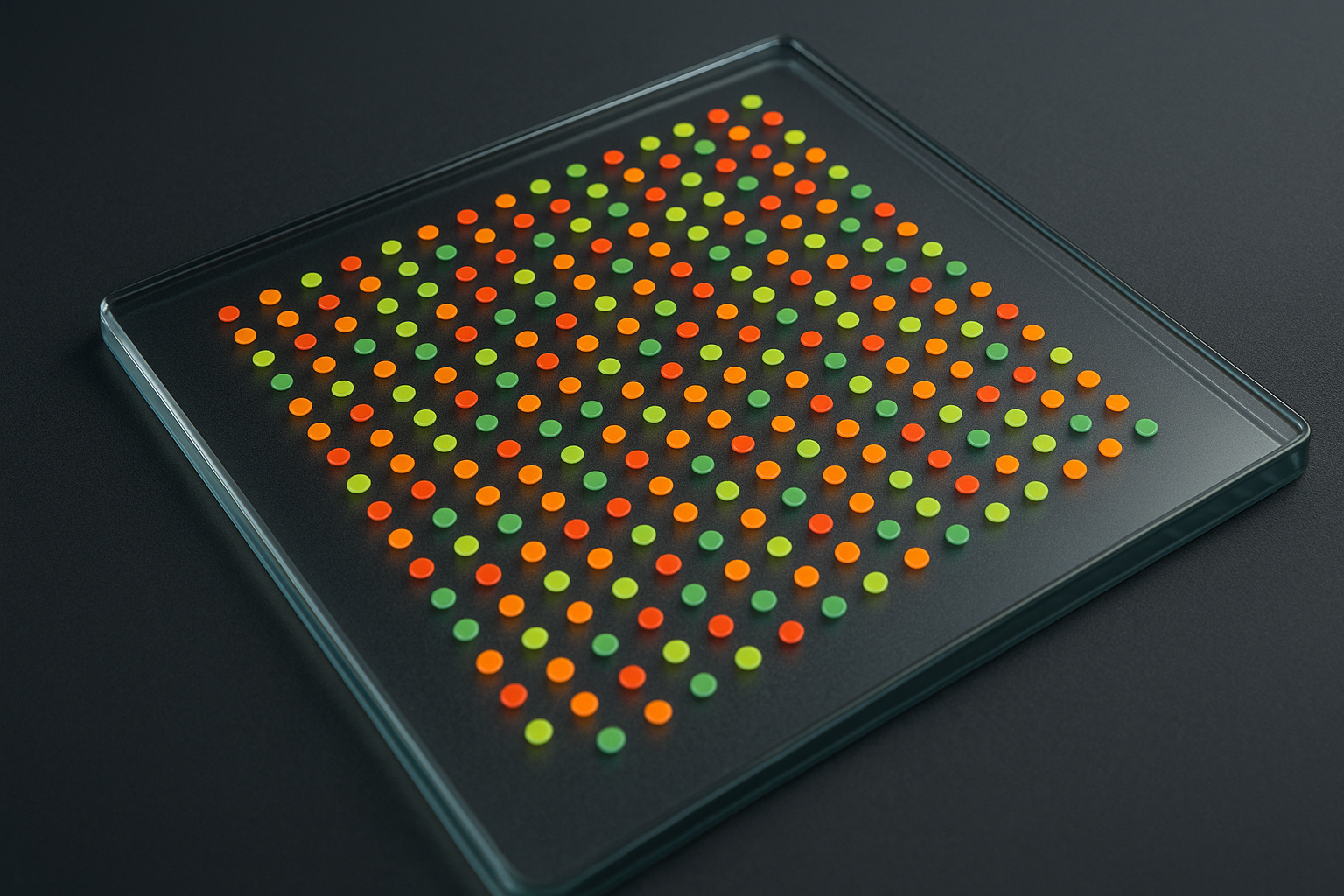
Our cutting-edge Mircoarray service utilizes a CAP/CLIA-validated genotyping array featuring 654,027 fixed markers, enabling comprehensive genetic analysis for a wide range of clinical and research applications.
Our high-throughput microarray platform processes 24 samples per array, ensuring rapid turnaround times while maintaining the highest standards of quality and reliability. This advanced technology allows for large-scale genomic studies, making it an ideal solution for both clinical diagnostics and population-level genetic research.
Microarrays are high-throughput laboratory tools used to analyze thousands to millions of DNA sequences simultaneously on a single chip. They consist of a solid surface embedded with microscopic probes that hybridize to complementary DNA or RNA from a sample, allowing researchers to measure gene expression levels or detect genetic variations across the genome in a single experiment.
Microarrays are widely used in applications such as gene expression profiling, SNP genotyping, copy number variation analysis, and disease research. They provide a cost-effective and scalable solution for large studies, making them especially valuable in areas like cancer research, pharmacogenomics, and population genetics where broad, genome-wide insights are needed.