Selenium Speciation
Eurofins Environment Testing has a great deal of experience with measuring trace metals in waters, soils, sediments and tissues, as well as in developing and optimizing methods and solutions for selenium speciation in waters, tissues, and soils within our specialty metals group.
The speciation of selenium plays a critical role in the effectiveness for treatment and removal, especially at low concentrations. In aqueous environments, selenium is most often found as the oxygenated anions selenite (Se(IV)) and selenate (Se(VI)). Additionally, some industrial systems contain the selenocyanate complex is possible as well as organic and other reduced selenium species. Waste rock is generally the primary source of selenium in coal and other mining operations. When exposed to water, various selenium species will leach or migrate from this waste and enter the environment.
The US National Primary Drinking Water Standard MCL is 50 μg/L for selenium. The National Fresh Water Quality Standard is 5 μg/L for selenium. The U.S. Fish Treatment of Selenium Containing Coal Mining Wastewaters and Wildlife Service has recommended that the National Fresh Water Quality Standard be lowered to 2 μg/L to protect fish, waterfowl, and endangered aquatic species. Several states have followed with enforcement actions at these same low levels making low concentration measurements of the species critical.
Treatment of selenium in coal mining wastewaters presents a series of challenges. It can be present in relatively low concentrations and in different forms, which can complicate process design and treatability. The conditions of influent selenium-containing wastewaters can vary widely and factors such as temperature, pH, total dissolved solids and other contaminants present can affect the ability to selectively and economically remove selenium. Currently available selenium treatment technology includes biological treatment and a number of physical or chemical separation processes that vary widely and are dependent on the species of selenium present. Therefore, understanding the distribution of selenium species can be critical to the optimization of water treatment technologies.
Contact us for more information on selenium speciation
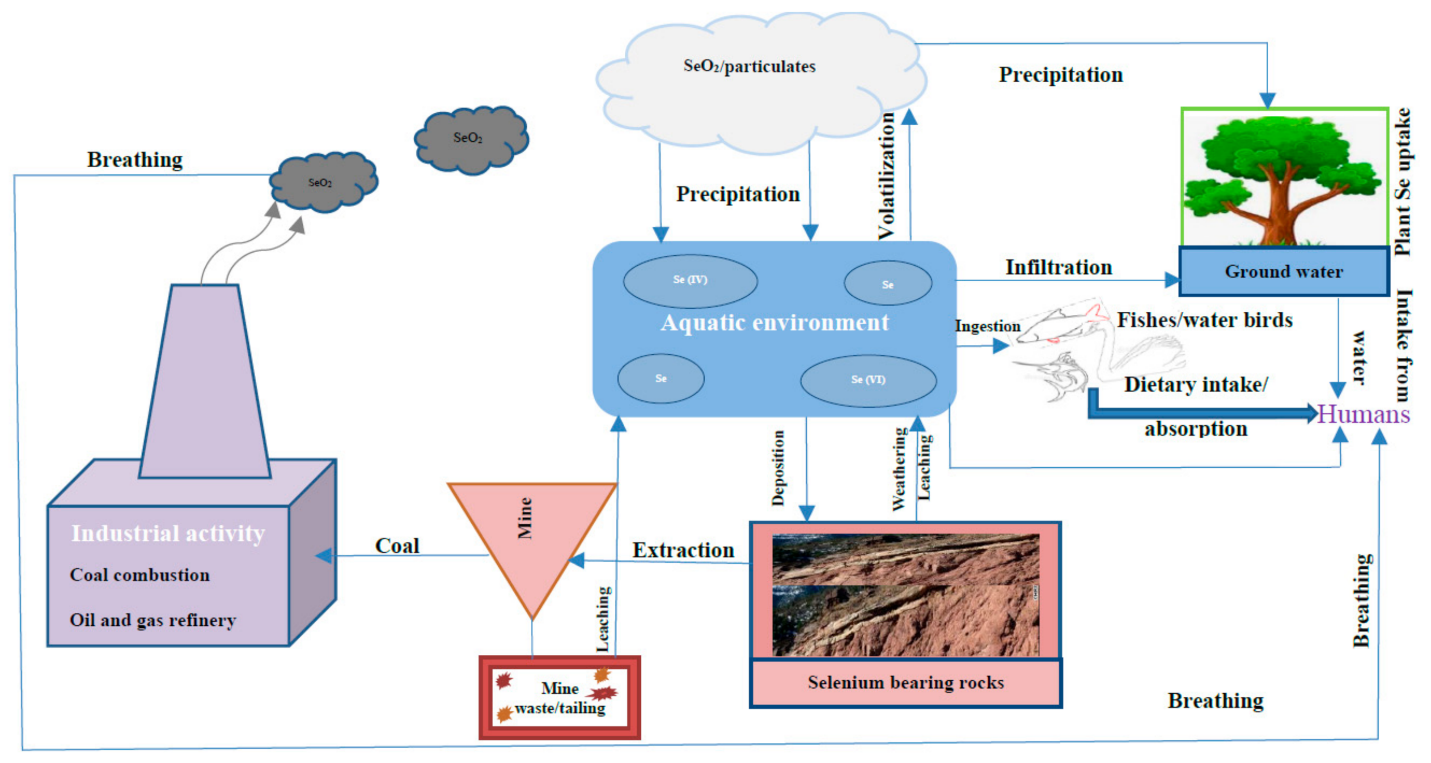 Image Source: Okonji et al, Water 2021, 13(11), 1473.




Start your testing now
Contact us to discuss your project goals and learn how our testing solutions can support your data and regulatory needs.