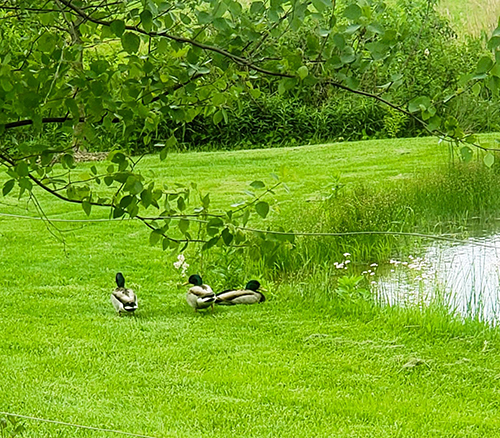
Eurofins' walking trail in Lancaster, PA
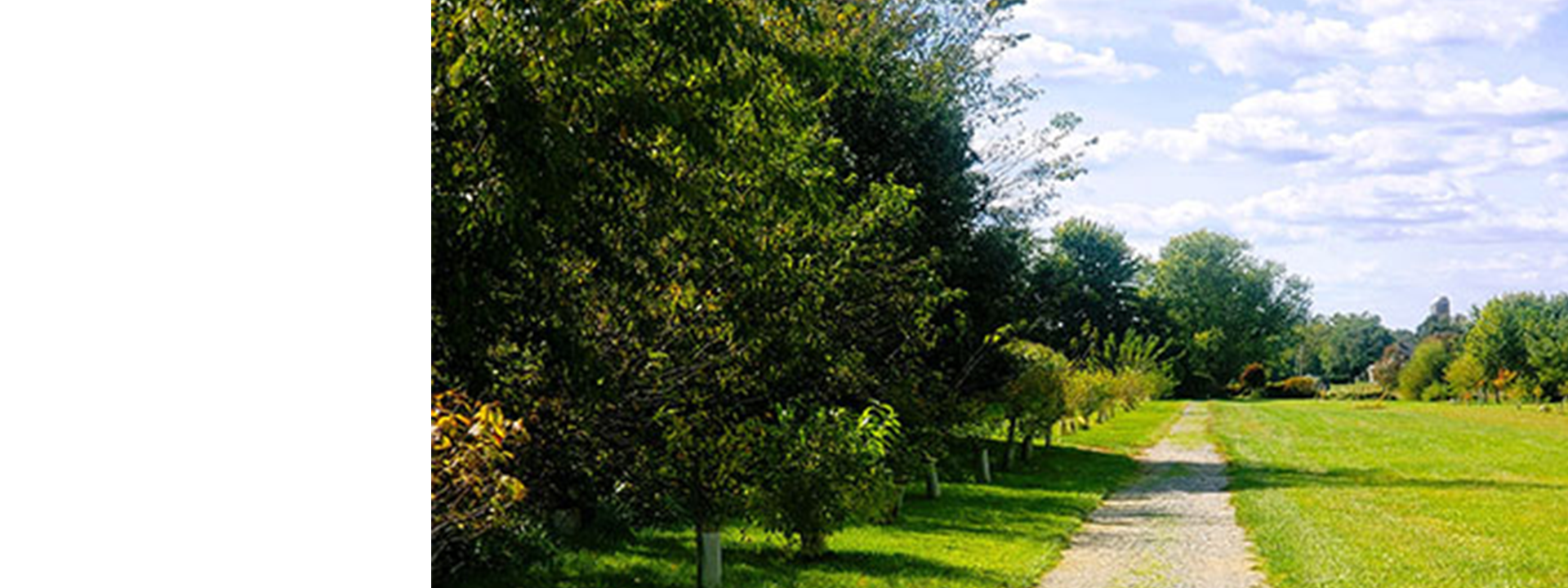
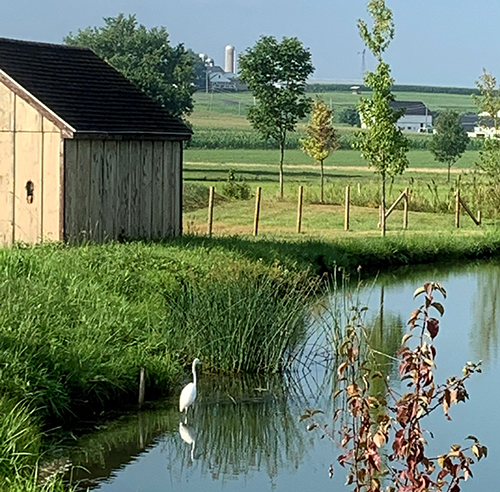
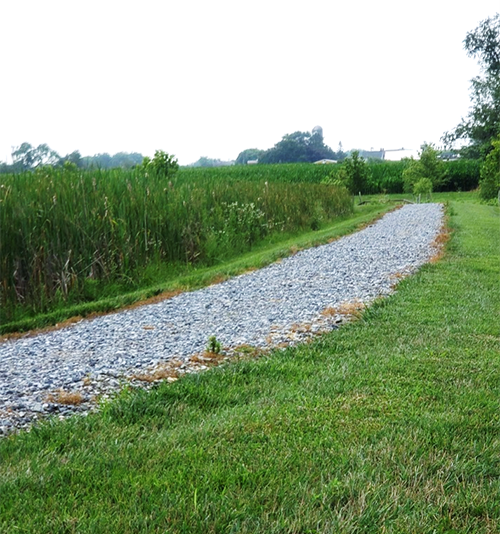
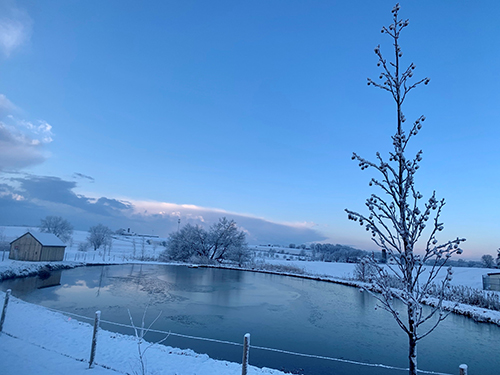
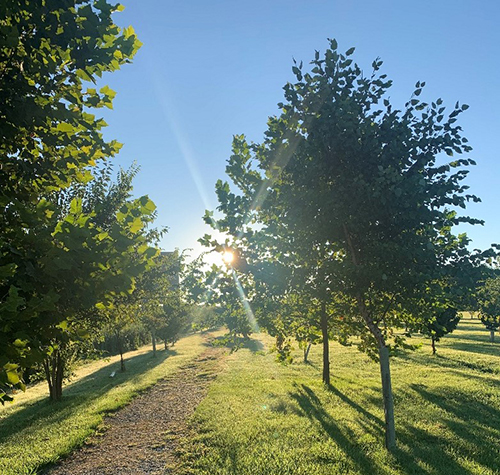
The Eurofins Walking Trail passes through a carefully managed natural area featuring a pond, wetland, stream, and more than 1,000 native trees and shrubs. Together, these habitats support a diverse ecosystem that provides essential habitats for over 100 species of plants and animals.
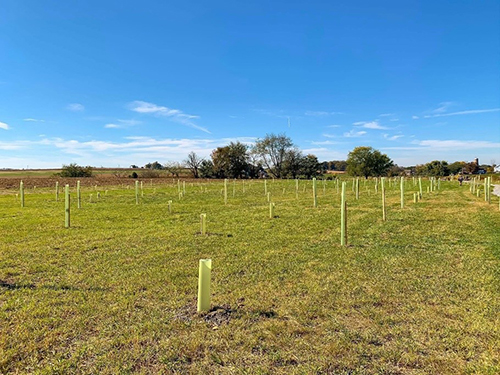
Surrounding the trail is Eurofins’ riparian buffer, vegetated areas along the stream, that help protect water quality and improve environmental conditions by sequestering carbon, supporting biodiversity, and enhancing habitat connectivity.
This buffer runs alongside a small creek that flows toward the Lower Conestoga River. It plays an important role in filtering runoff and reducing nonpoint source pollution from nearby land uses. It also helps stabilize streambanks, provide shade to regulate water temperature, support wildlife habitat, and reduce downstream flooding.
Together, the riparian buffer and walking trail span approximately 7 acres (6.52 acres) of dedicated green space. Established in 2019, this area reflects a long-term commitment to biodiversity, habitat restoration, and employee wellness. The Eurofins Lancaster Green Team, in partnership with the Alliance for the Chesapeake Bay, helped plant the riparian buffer, establishing native trees and shrubs that strengthen local ecosystems. There are thirteen stations along the trail that point to specific educational topics accessed read below to explore.

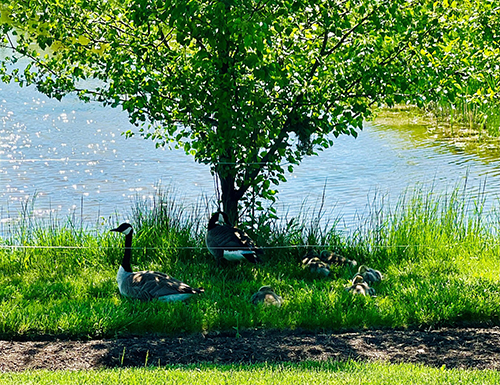
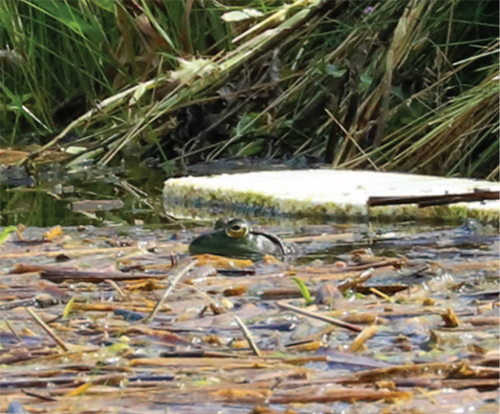
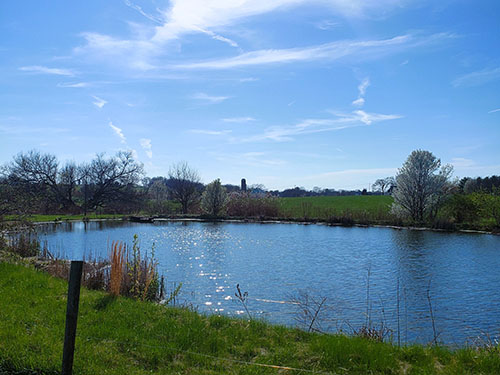
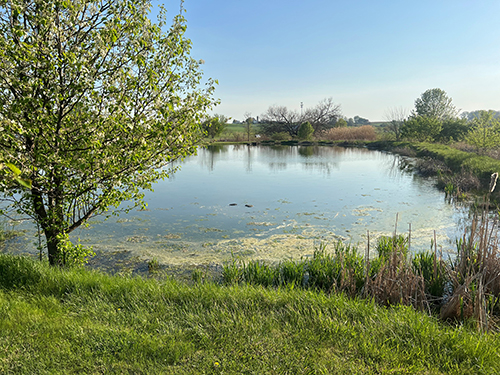
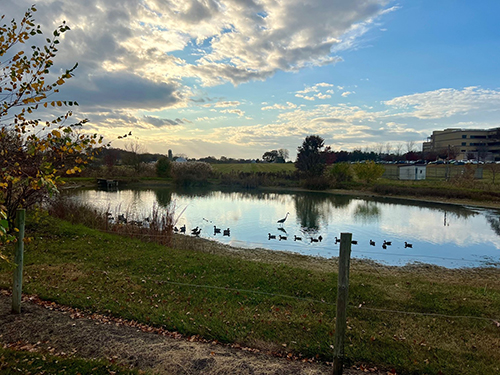
The pond along the trail is spring-fed, providing a constant supply of fresh water that supports a variety of aquatic life. The pond provides a habitat for the American Bullfrog and various macroinvertebrates, including crayfish and water boatmen, which are essential for maintaining the ecological balance of the pond. The pond also serves as a stop-over point for migrating waterfowl, such as the Canada Goose.
Wetland
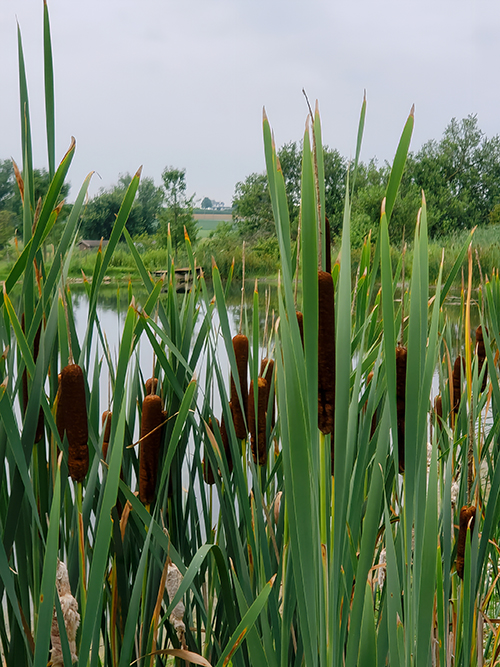
Wetlands are vital ecosystems that support a rich diversity of plant and animal life. Common plants here include Broad-leaved Cattail and Soft-stem Bulrush, which provide essential habitat and food for wetland wildlife. These plants also help in filtering pollutants from the water, maintaining water quality, and supporting biodiversity.
Seasonal changes
The trail offers a unique opportunity to observe the changing seasons and their effects on the environment. In spring, look for the blooming of Woodland Goosefoot and the arrival of migratory birds like the Baltimore Oriole. In autumn, the foliage of trees like the Shagbark Hickory turns vibrant colors, and you may see Eastern Gray Squirrels gathering food for the winter.
Insects and pollinators
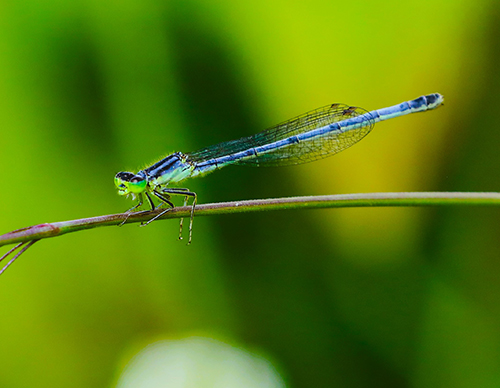
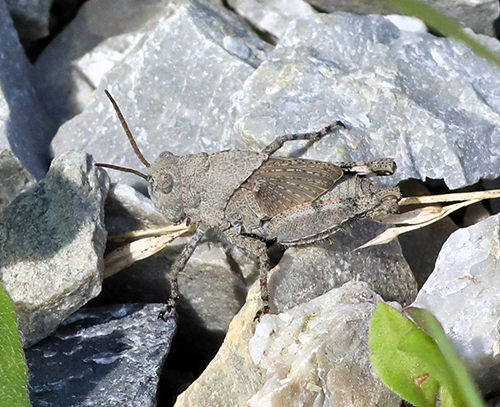
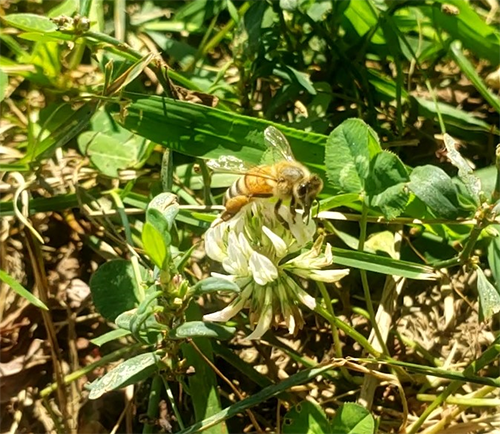
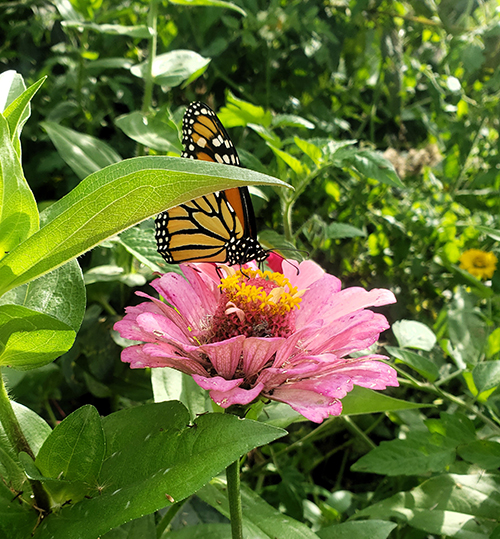
Insects are abundant and play crucial roles in pollination, decomposition, and as a food source for other animals. You might spot the Monarch Butterfly, famous for its long migration, or the industrious Honeybee collecting nectar. The trail also hosts a variety of beetles, such as the Ground Beetle and the Ladybird Beetle, which help control pest populations.
Indigenous plants and their uses
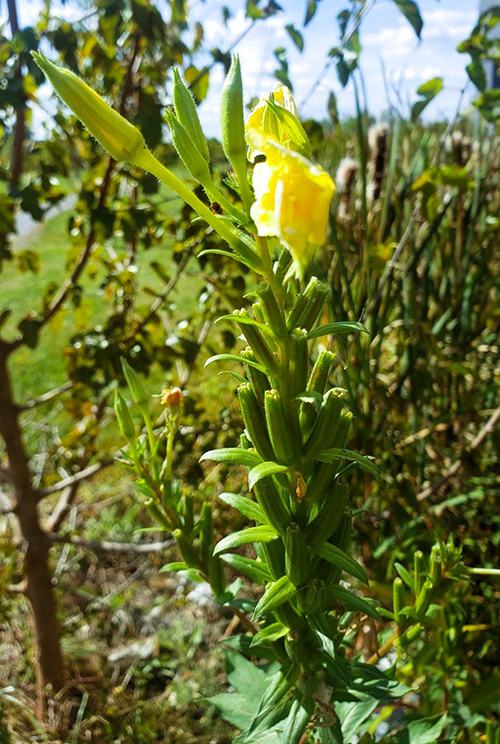
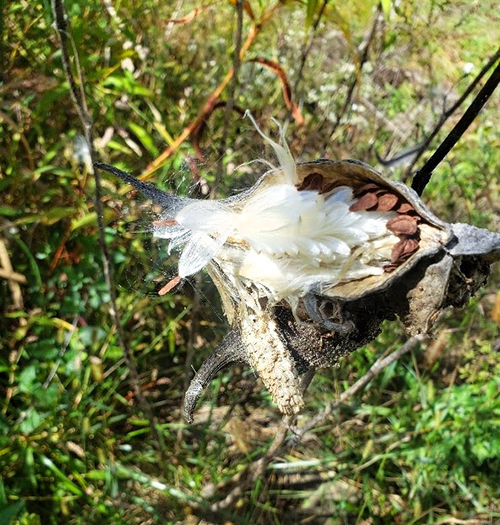
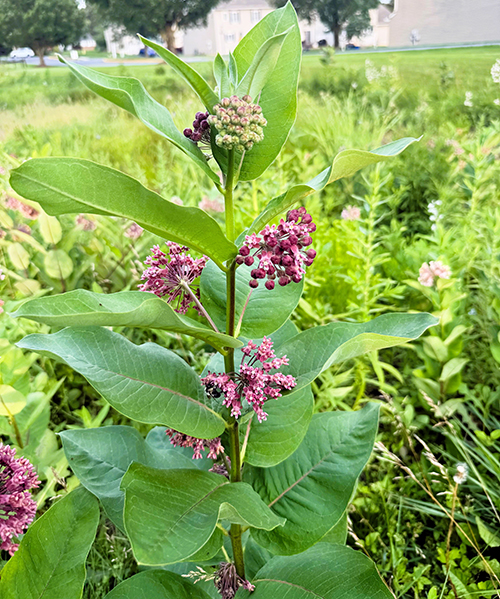
The native plants along the trail have been used for centuries by Indigenous peoples for food, medicine, and other cultural purposes. For example, the Black Cherry was traditionally used for making cough remedies, while the Common Milkweed was utilized for its fibers and as a food source when prepared properly to remove its toxins. Sweetgum was also valued for its medicinal properties.
Invasive species
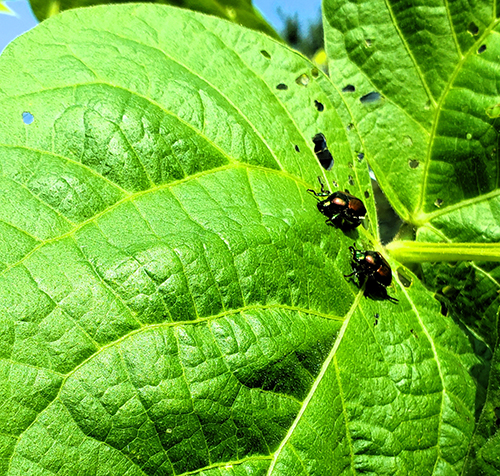
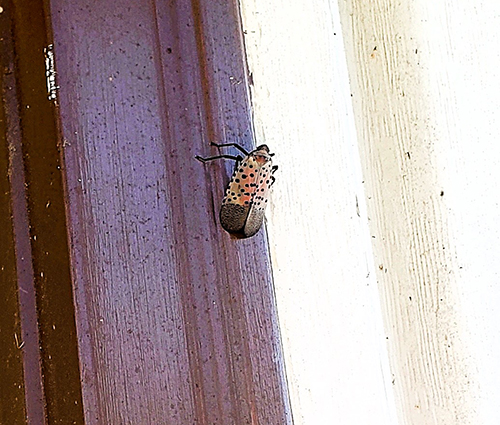
Invasive species pose a significant threat to the biodiversity of the trail. Plants like the Multiflora Rose and Japanese Knotweed can outcompete native species, leading to reduced habitat quality and altered ecosystems. Invasive insects, such as the Japanese beetle and spotted lanternfly, further compound the issue by damaging native vegetation and disrupting ecological balance. Managing these invasive species is crucial for protecting the native flora and fauna of the area.
Macroinvertebrates
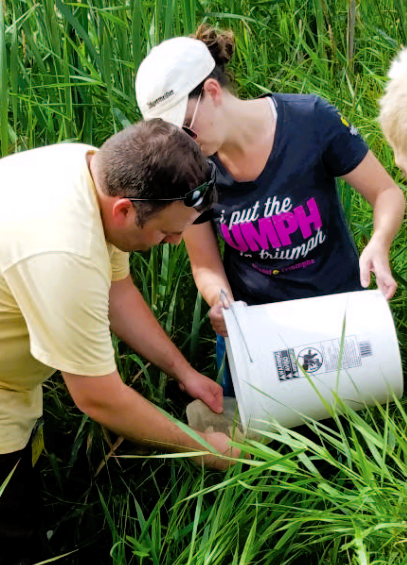
Macroinvertebrates, such as Mayfly Nymphs, Crayfish, and Aquatic Earthworms, are small but vital components of the aquatic ecosystems along the trail. These organisms are essential for the health of the water bodies, serving as indicators of water quality and playing a role in nutrient cycling. Observing the diversity and abundance of macroinvertebrates can give us insights into the overall health of the pond and wetland areas.
Trees and shrubs
The trail is lined with a variety of native trees and shrubs that contribute to the ecological richness of the area. Species like the Swamp White Oak, known for its wildlife value, and the River Birch, which thrives in wet areas, are common along the trail. Shrubs like the Black Chokeberry provide food for birds and other wildlife.
Over 1,000 of these native trees and shrubs were planted in 2019 on our campus as part of a riparian buffer project that was funded by the Alliance for the Chesapeake Bay in accordance with the Commonwealth of Pennsylvania Department of Environmental Protection Grants Program.
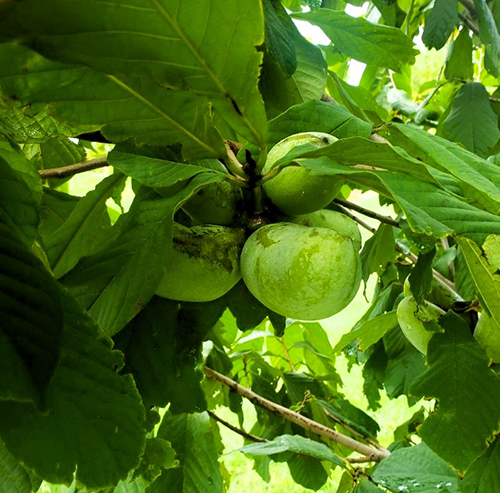
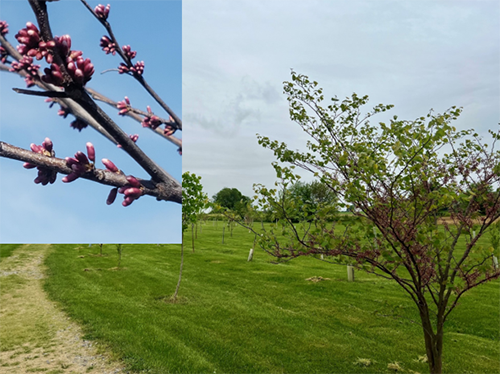
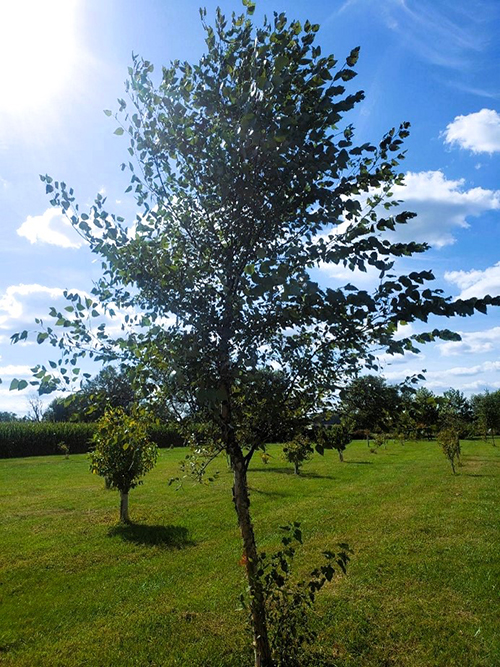
Examples you can find along the walking trail include the River Birch, Redbud, and the Pawpaw tree to name a few.
Biodiversity
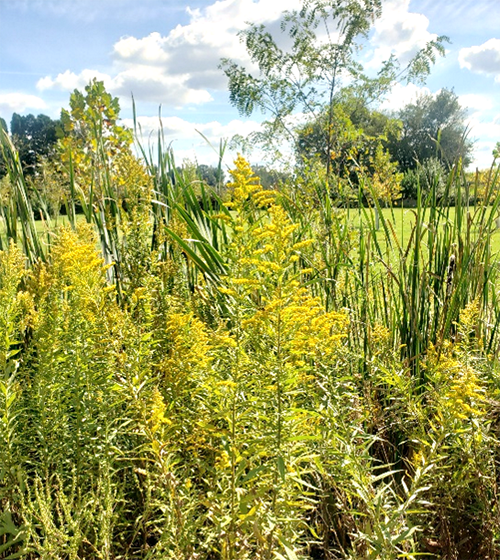
Biodiversity is the variety of life found in a particular area, and it is crucial for ecosystem health and resilience. The trail's diverse habitats support a wide range of species, from insects like the Bumblebee to plants like the Goldenrod. This biodiversity ensures that the ecosystem can withstand changes and continue to provide essential services, such as pollination, water filtration, and habitat for wildlife.
Herps (reptiles and amphibians)
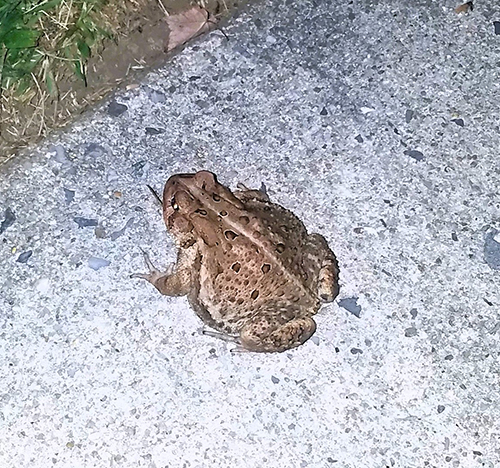
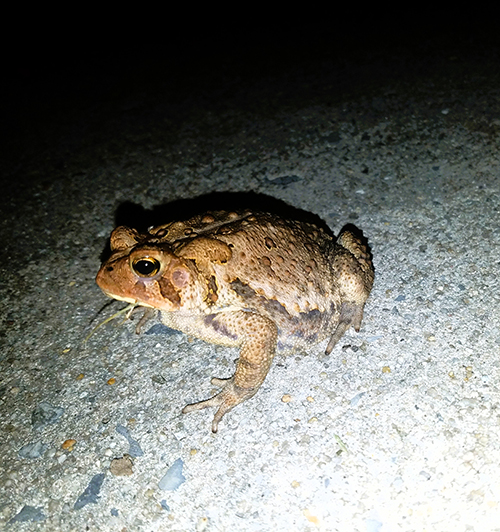
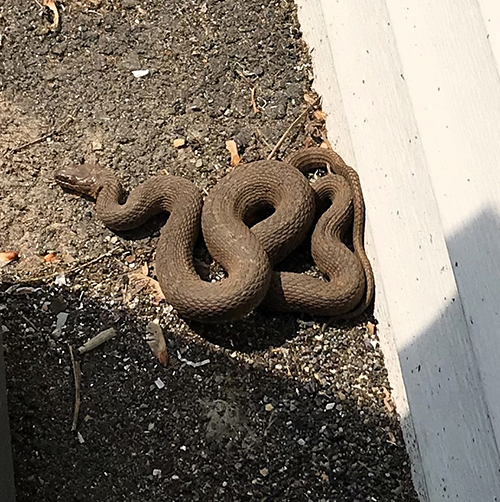
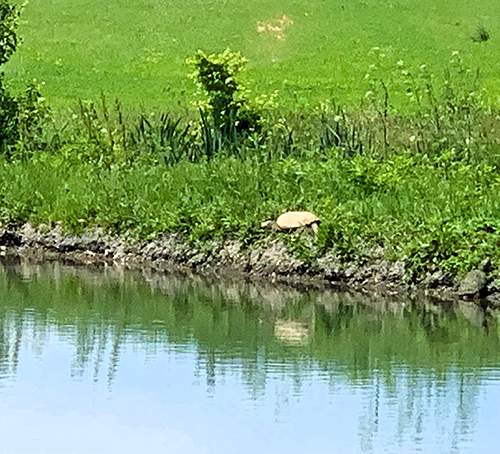
The trail is home to a variety of reptiles and amphibians, known collectively as herps. Look out for the Eastern Rat Snake, often seen basking in the sun, or the American Toad, which can be found near moist areas. The Snapping Turtle is another resident, frequently spotted near the pond.
Mammals
The trail provides a diverse habitat for several fascinating mammals:
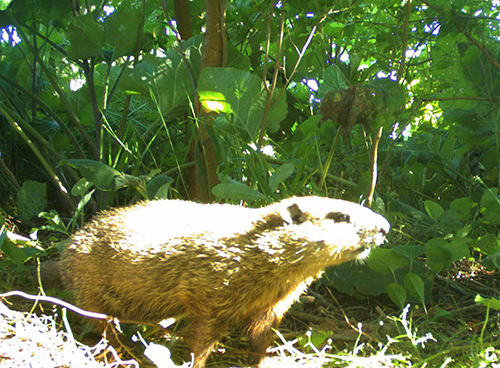
- The groundhog, also known as a woodchuck, is commonly seen in open fields and grassy areas. These burrowing animals help aerate the soil and create homes for other species.
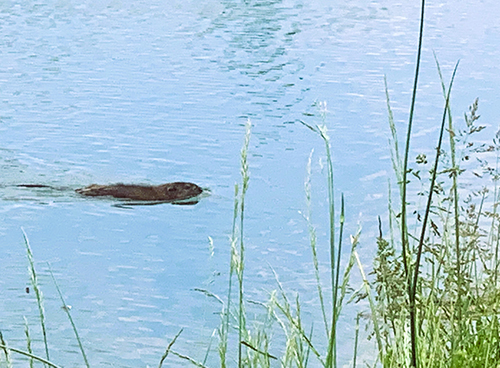
- The muskrat is a medium-sized, semi-aquatic rodent that typically lives in marshes but can also be found in wetlands, swamps, ponds, and streams. They burrow on the banks of water sources and build lodges out of cattails and other vegetation.
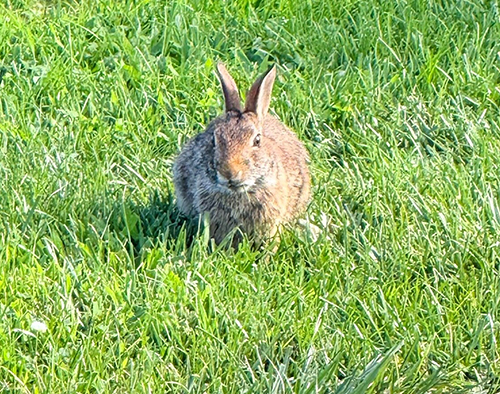
- The Eastern Cottontail Rabbit can often be spotted in the early morning or late afternoon, nibbling on grasses and plants.
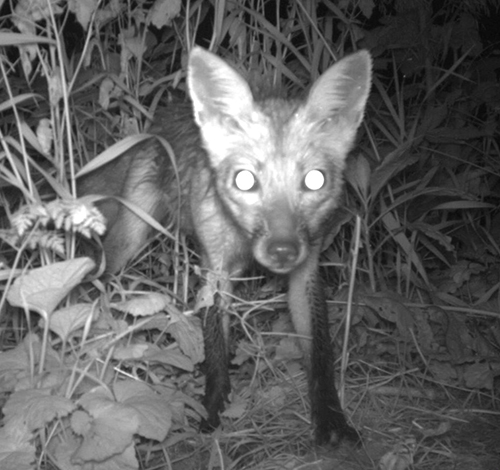
- The Red Fox is a cunning predator frequently found near forest edges and open fields. Its adaptability and varied diet make it an important part of the ecosystem.
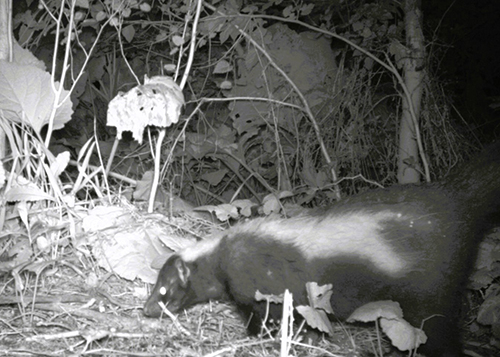
- The Striped Skunk can be recognized by its striking black and white fur. Though it is more active at night, the skunk plays a key role in controlling insect and rodent populations, contributing to a balanced environment.
Birds
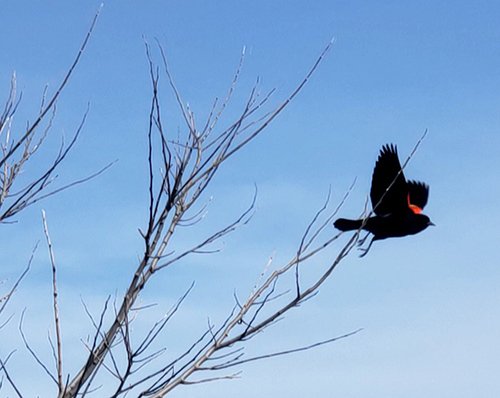
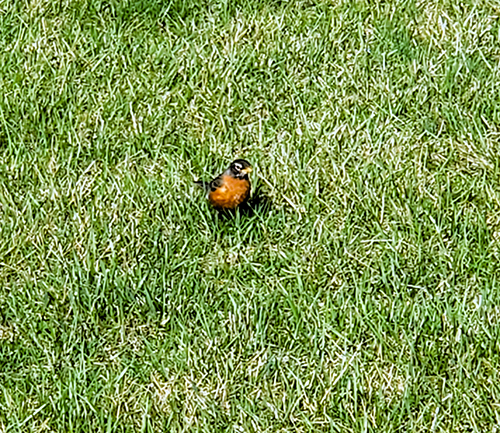
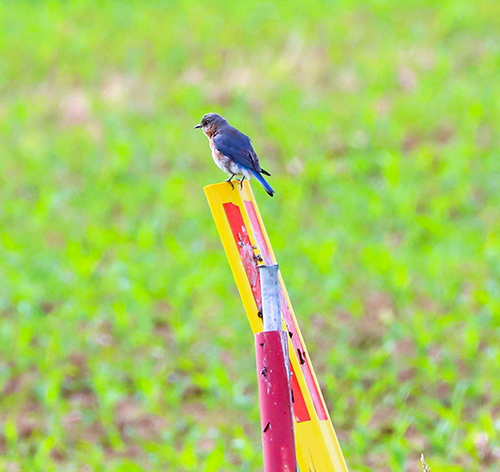
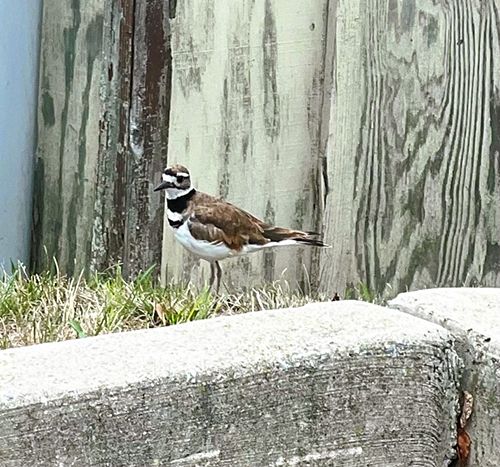
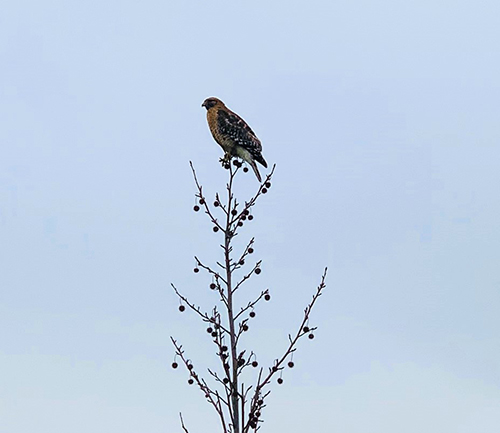
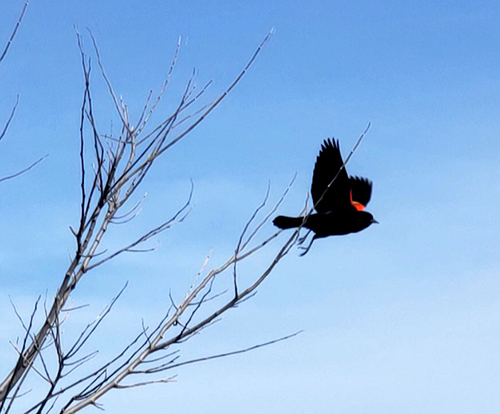
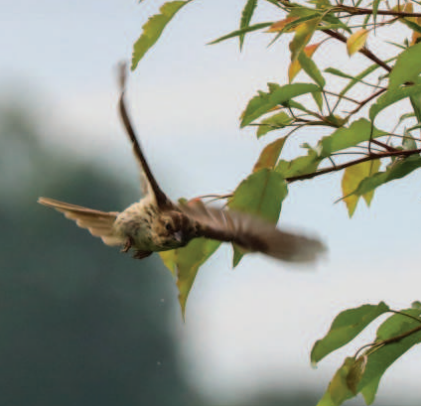
The trail is home to a variety of bird species. Red-winged blackbirds are commonly seen in the wetland perched in the cattail marsh area. Their calls are easy to hear once you know what to listen for. Additionally, the Song Sparrow can be heard throughout the area, its melodious song filling the air, especially during the early mornings and late afternoons. Other birds to be on the lookout for while enjoying the trail are Eastern Bluebirds, Northern Mockingbirds, Tree Swallows, American Robins, Catbirds and Killdeers.
Waterfowl and wading birds
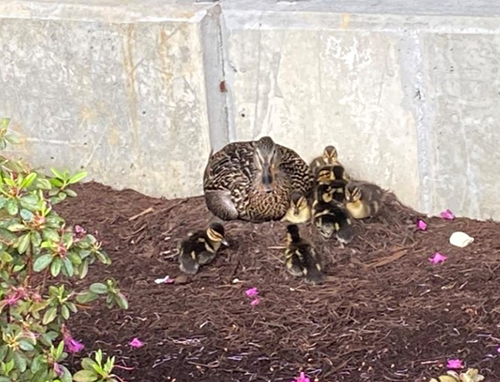
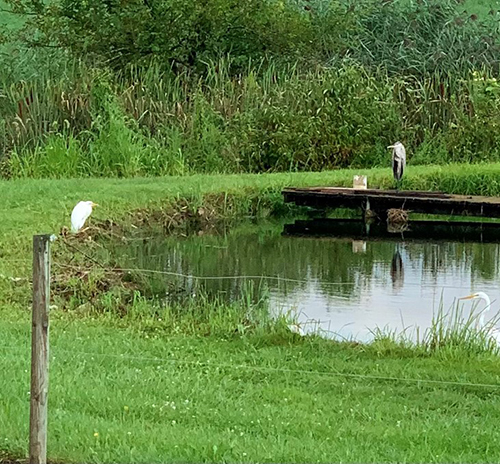
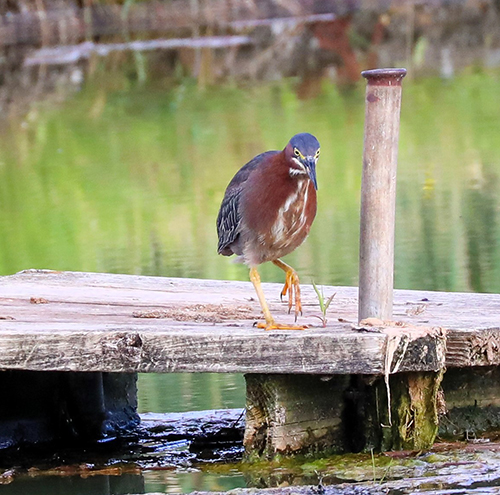
The wetland and pond attract a variety of waterfowl and wading birds. The Mallard and Green Heron are often seen foraging in shallow waters. The Green Heron is known for its unique hunting technique of using tools like sticks to lure fish. These areas are also frequented by the Canada Goose, the Great Blue Heron and the Great Egret, which play a vital role in maintaining the health of the aquatic environment by controlling fish and insect populations.