Using Spectral Flow Cytometry for CAR T-Cell Clinical Trials - Game Changing Technologies Enabling Novel Therapies
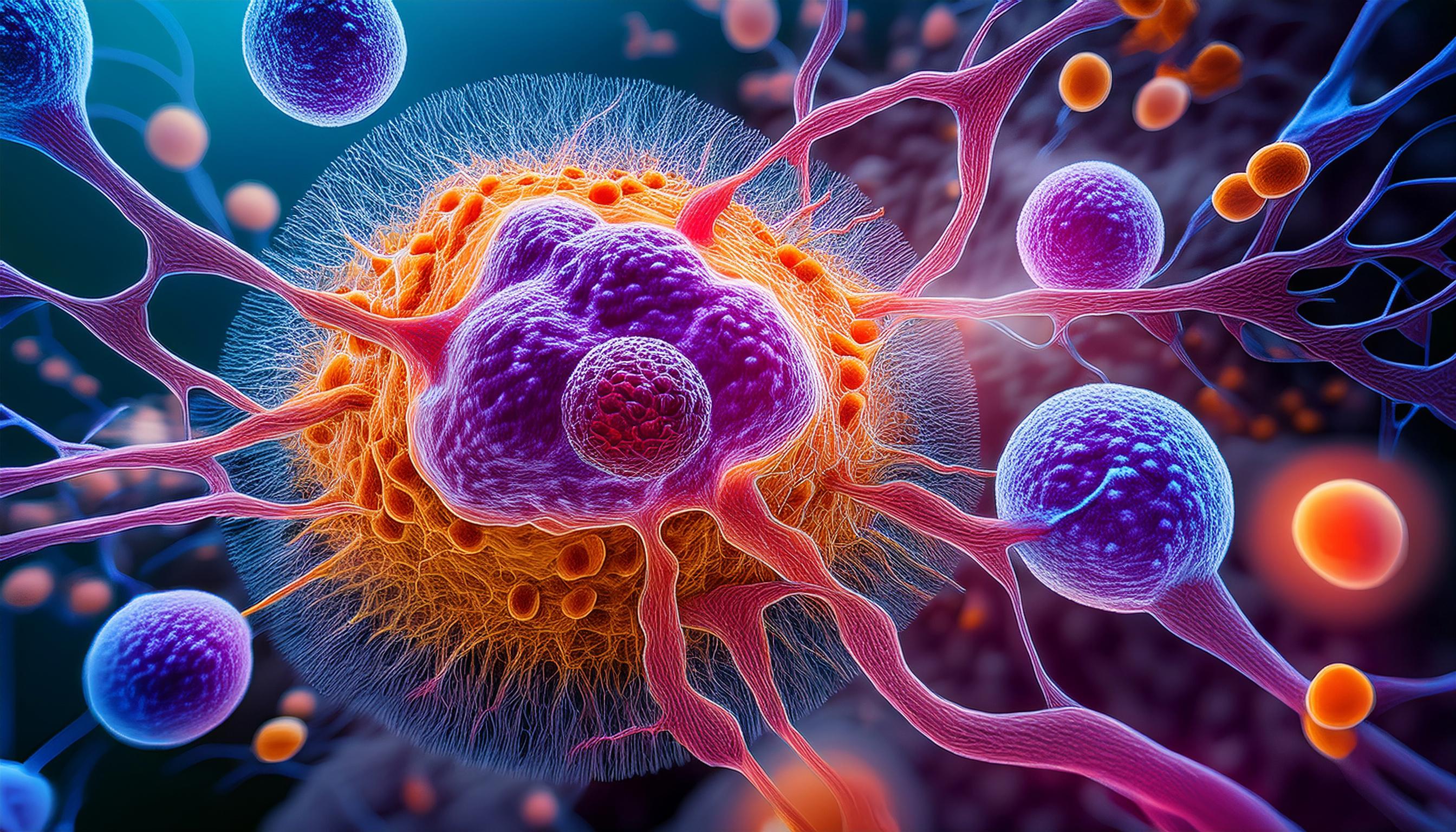
Spectral flow cytometry is transforming how CAR T-cell therapies are monitored throughout clinical development.
This peer-reviewed review article examines the expanding role of spectral flow cytometry in CAR T-cell clinical trials, highlighting its ability to support high-dimensional immune profiling, characterize cellular responses, and generate standardized data for biomarker research and regulatory submissions.
Key topics include:
- The advantages of spectral flow cytometry for high-parameter immune profiling in CAR T-cell clinical trials
- Strategies for monitoring CAR T-cell distribution, expansion, persistence, and exhaustion following infusion
- Deep immunophenotyping approaches to characterize memory, activation, and inhibitory cell states associated with therapeutic response
- Methods for identifying and quantifying CAR T-cells and target antigen expression using flow cytometry
- Best practices for assay validation, standardization, cross-instrument comparability, and rare event detection aligned with CLSI H62 guidance
- The use of flow cytometry to assess measurable residual disease (MRD), endogenous immune populations, and anti-drug antibody (ADA) responses to CAR T-cell therapies
As CAR T-cell therapies continue to expand beyond hematologic malignancies into solid tumors and autoimmune diseases, spectral flow cytometry is emerging as a foundational technology for generating the high-quality, reproducible data needed to accelerate cellular therapy development and improve patient outcomes.