Advancing Receptor Occupancy Insights in a Multi-Site Clinical Trial
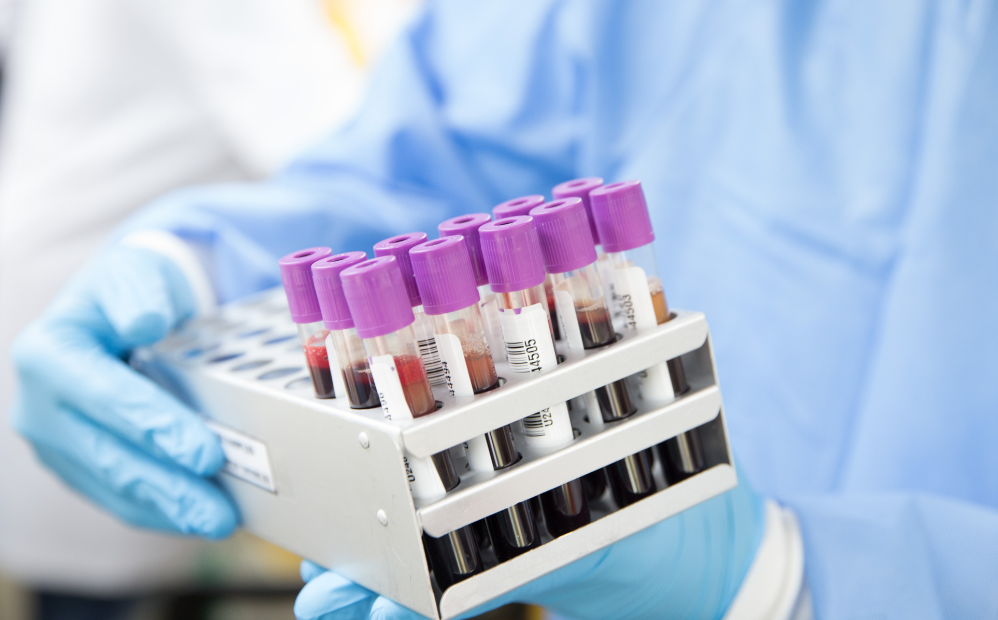
Discover how a robust receptor occupancy strategy delivered reliable, reproducible biomarker data to support PK/PD correlation and dose escalation decisions in a multi-site clinical trial.
Complex cellular biomarker endpoints require both scientific expertise and tightly controlled sample handling. This case study highlights how Eurofins Viracor BioPharma developed and validated a flow cytometry-based receptor occupancy assay to support a Phase I/IIa clinical trial evaluating a monoclonal antibody therapy for Type 1 Diabetes. The multi-site, multi-year study required consistent PBMC processing, robust assay performance, and reliable receptor occupancy data across five European clinical sites.
Key highlights include:
- Development and validation of a flow cytometry-based receptor occupancy assay using frozen PBMCs
- Standardized PBMC processing protocols across five clinical sites to support sample integrity and consistency
- Comprehensive clinical site training, certification, and ongoing sample handling support
- Implementation of robust quality controls and normalization strategies to monitor assay performance
- Reliable, reproducible receptor occupancy data to support PK/PD correlation and dose escalation decisions
- Reduced assay variability through standardized processes, training, and performance monitoring
- Consistent delivery of high-quality PBMC samples throughout a multi-year clinical study
This case study demonstrates how flow cytometry expertise, standardized sample processing, and a robust bioanalytical strategy can help sponsors generate consistent, decision-ready receptor occupancy data for complex clinical endpoints.