Phthalates
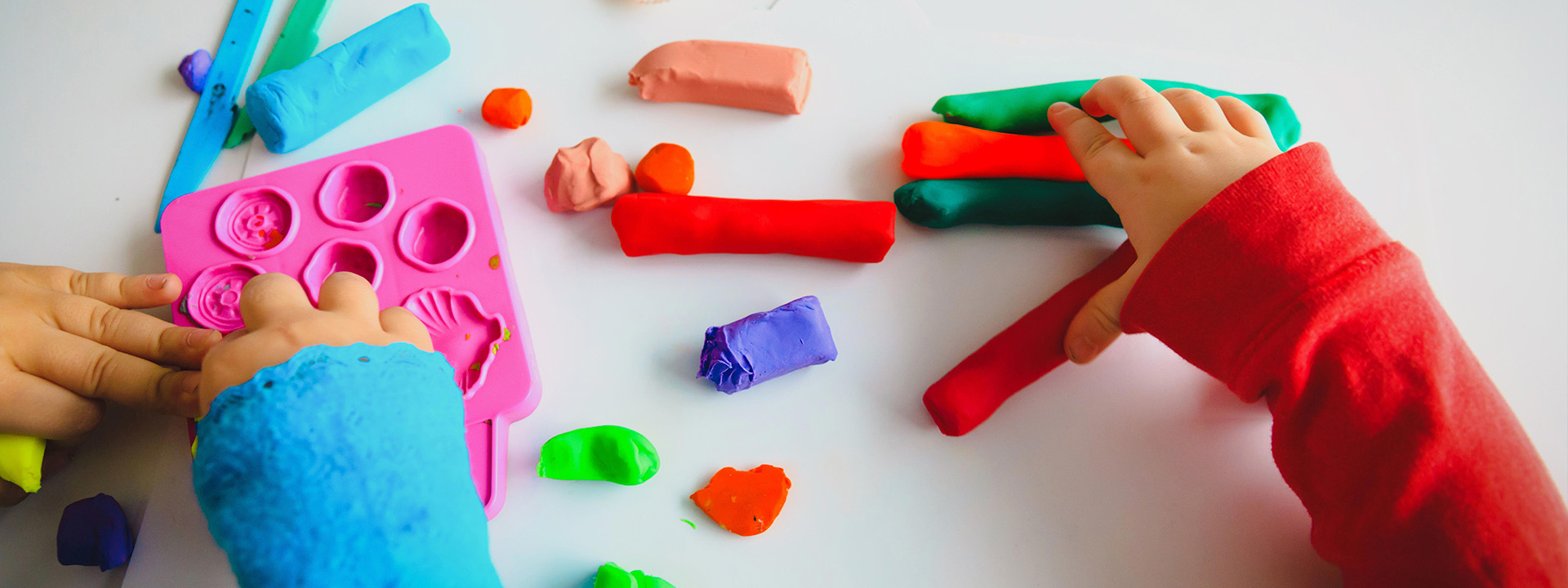
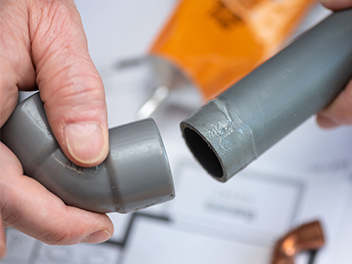
Phthalates are chemical compounds mainly used as plasticisers: Additives that make plastic flexible. They are often found in packaging, wall and floor coverings, films and foils, tubes, window frames, toys and cables. Another application is as solvent or fixative in cosmetics and personal care products, but also in paint and varnish, rubber, glue, ink and pesticides. They also act as conduit for fragrances and other cosmetic products. Bis (2-ethylhexyl) phthalate (DEHP) is most commonly used in PVC production. Di-isodecyl phthalate (DIDP) and Di-isononyl phthalate (DINP) are most common in baby toys.
Phthalates are produced in large quantities causing them to occur in high concentrations in the environment. Due to their applications they are mainly found in the human body, being presumably absorbed by the skin, through inhalation and in particular orally in the case of toys for babies and small children.
There is a European ban on the use of DEHP, DBP and BBP in all toys and childcare articles. DINP, DIDP and DNOP are also forbidden in toys and childcare articles that children may put in their mouths - regardless of intended use.
DBP and DEHP are on the OSPAR priority list and DEHP is on the priority substances list of the Water Framework Directive.