
Have a question about our services or need technical support?
Submit your enquiry using the form link above and our specialists will respond as soon as possible.

Ensure your products meet the world’s most stringent safety standards. From RoHS to VOC analysis, we provide the testing and certification required to navigate global markets with confidence.
At Eurofins Singapore, we believe a truly eco-friendly product must do more than just carry a label; it must be scientifically proven to protect both the planet and its people. Our testing frameworks are built around three core pillars of sustainability:
Human & Environmental Safety
A green product must have a significantly lower impact on the ecosystem and human health compared to traditional equivalents. By eliminating hazardous substances, we safeguard current and future generations.
Our Role: Rigorous screening for Heavy Metals, VOCs, and Phthalates to ensure safety at every touchpoint.
Efficiency & Longevity
True sustainability is found in durability. Green products are engineered to be energy-efficient and long-lasting, reducing the "throwaway" culture through low maintenance requirements and robust build quality.
Circularity & Life Cycle
We prioritize products that respect the Earth’s finite resources. This includes items made from recycled materials (partial or full) or sourced from renewable and sustainable origins. At the end of its life, a green product should be:
We help you navigate the complex landscape of international environmental directives:
Electronics & electrical: RoHS (2002/95/EC), WEEE (2002/96/EC)
Chemical & consumer goods: Phthalates (2005/84/EC), azocolourants (2002/61/EC)
Industrial & logistics: Packaging & packaging waste (1994/62/EC), end of life vehicles (2000/53/EC)
EPA testing: Certified US EPA methodology (3052, 3050B, 6010B, 3060A)
Our state-of-the-art instrumentation provides precise detection for a wide range of restricted substances:
| Category | Typical Compounds Analyzed |
| Heavy Metals | e.g. Cadmium (Cd), Lead (Pb), Mercury (Hg), Total Chromium (Cr) |
| Organic Compounds | Halogenated organics (PCBs, PBBs, PBDEs), PFOA/PFOS, and PVCs |
| Volatiles (VOCs) | Comprehensive Volatile Organic Compound screening |
| Restricted Additives | Phthalates (DBP, DEHP, BBP, DINP, etc.) and Red Phosphorus |
| Specialty Testing | Asbestos, Ozone Depleting Substances (CFCs/HCFCs), and Organic Tin Compounds etc. |
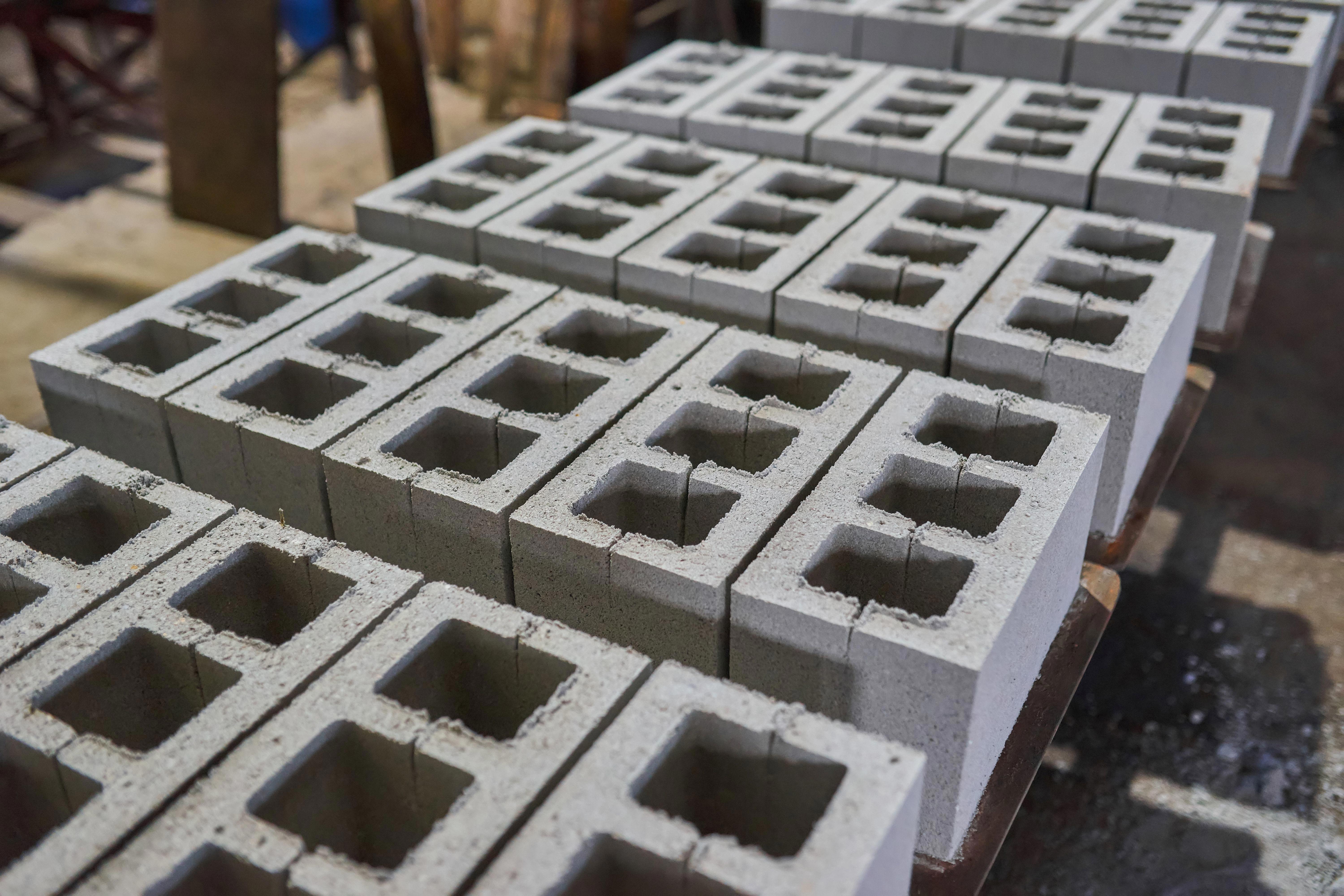
Click on the images to find out more on examples of products that we test.




Have a question about our services or need technical support?
Submit your enquiry using the form link above and our specialists will respond as soon as possible.
Eurofins STATS is a corporate member of the SGBC, and is also a recognised partner laboratory of the SGBC for analysis of green product.
Singapore Green Building Officially launched on 28 October 2009 as a non-profit organisation with their key role is to advocate green building design, practices and technologies and drive environmental sustainability in the building and construction industry.
SGBC launched the Singapore Green Building Product (SGBP) certification scheme in 2010 as a key initiative to support the building industry in the drive to meaningfully differentiated for safer, healthier, efficient and sustainable products in the building industry.
STATS is SGBC approved laboratory partner in all green label testing.
Eurofins STATS is recognised by Singapore Environment Council (SEC) for Green Label Testing. The Singapore Green Labelling Scheme (SGLS) administered by Singapore Environmental Council (SEC) was launched in May 1992 to endorse industrial and
consumer products that have fewer undesirable effects on our environment. Administered by the Singapore Environment Council (SEC), the SGLS is an established ecolabelling scheme with over 3 000 unique products certified across 28 countries.
The EU has enacted a chemical registration requirement known as REACH (Registration, Evaluation, Authorization and Restriction of Chemicals). A goal of REACH is to identify certain substances that are manufactured or imported into the EU. REACH Articles 57 and 59 identify candidates on the SVHC (Substances of Very High Concern) list. Importing products into the EU containing more than 0.1% by weight of an SVHC may need to comply with special reporting requirements.
The RoHS directive prohibits heavy metals such as lead, mercury, cadmium and hexavalent chromium, Polybrominated biphenyls (PBB), Polybrominated diphenyl ethers (PBDE) and Phthalates (DEHP, BBP, DBP, DIBP) in electrical and electronic equipment, except where exempted.
Have a question about our services or need technical support?
Submit your enquiry using the form link above and our specialists will respond as soon as possible.