Irrigation water testing

Determine whether your water is suitable for irrigation and crop-sensitive use
Not all water sources are equal, and some crops are more sensitive to water quality than others.
Irrigation water testing provides clarity before application, helping growers prevent leaf burn, nutrient imbalance and system damage.
Why test irrigation water?
Irrigation water testing assesses whether water used for crop irrigation meets quality requirements for safe application. It evaluates key chemical factors, allowing growers to adjust early, protect crops and prevent avoidable losses.
Why irrigation water quality matters
Water composition directly influences crop safety. Chloride and iron levels are especially decisive. High chloride can be harmful, depending on crop sensitivity. Iron-rich groundwater may oxidise and form brown deposits that cause leaf burn. Hardness also plays a role, as high calcium and magnesium levels can cause pipe blockages and reduce system efficiency.
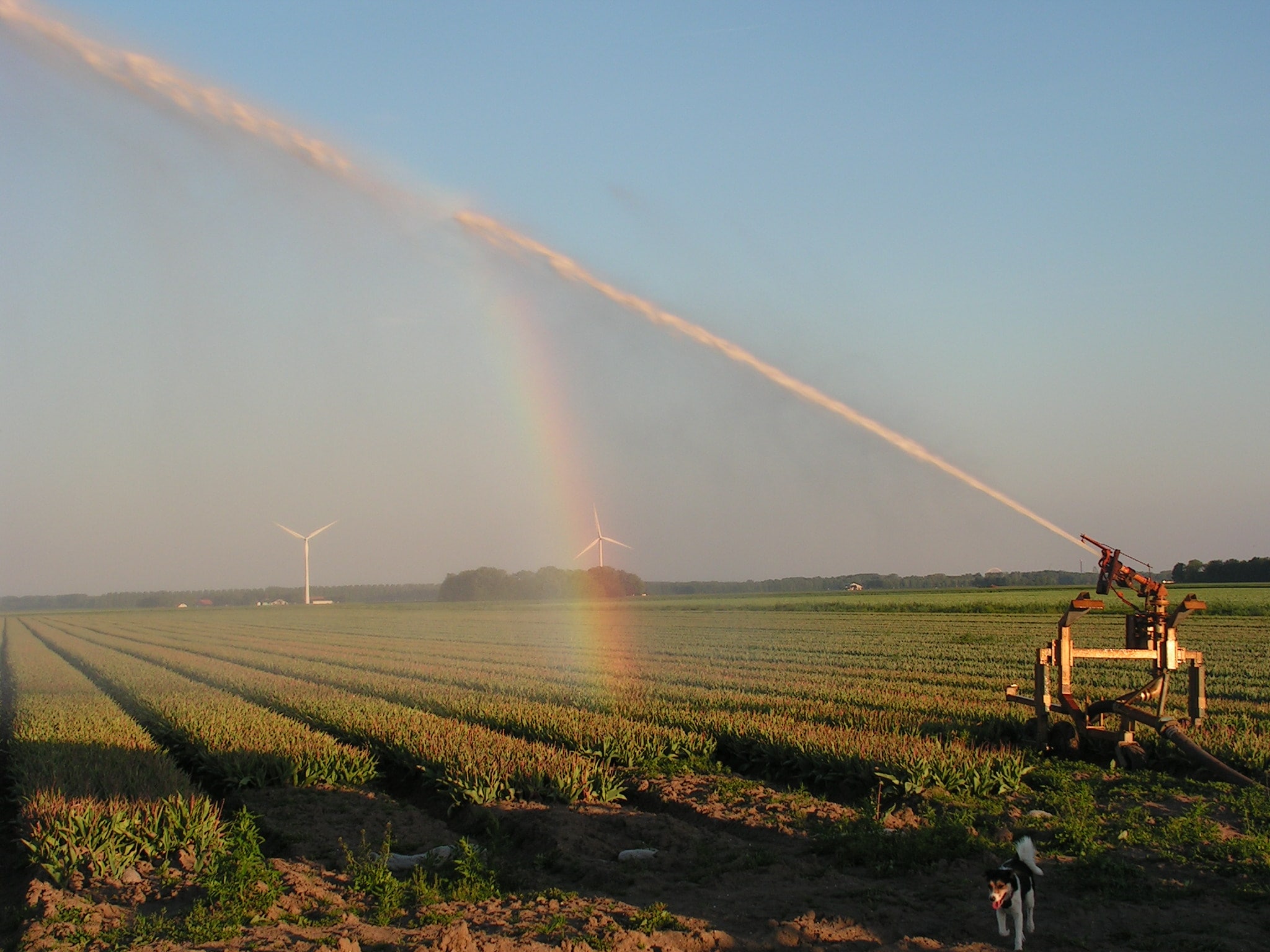
Irrigation water testing is recommended for growers who want to:
- Prevent crop damage linked to chloride or iron
- Avoid leaf burn, brown deposits and irrigation scorch
- Reduce the risk of blocked pipes due to water hardness
- Check suitability of spring water, groundwater or surface water
- Confirm water quality before switching supply or crop
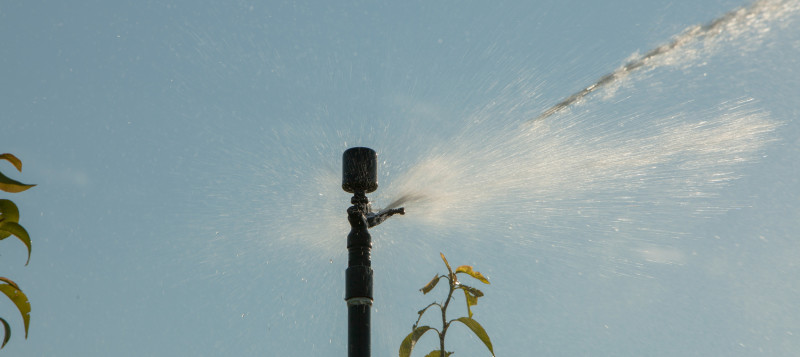

Irrigation water testing identifies chloride, iron and hardness indicators such as calcium and magnesium, helping you determine whether water is safe for crop use or requires adjustment.