Explore our services in Canada
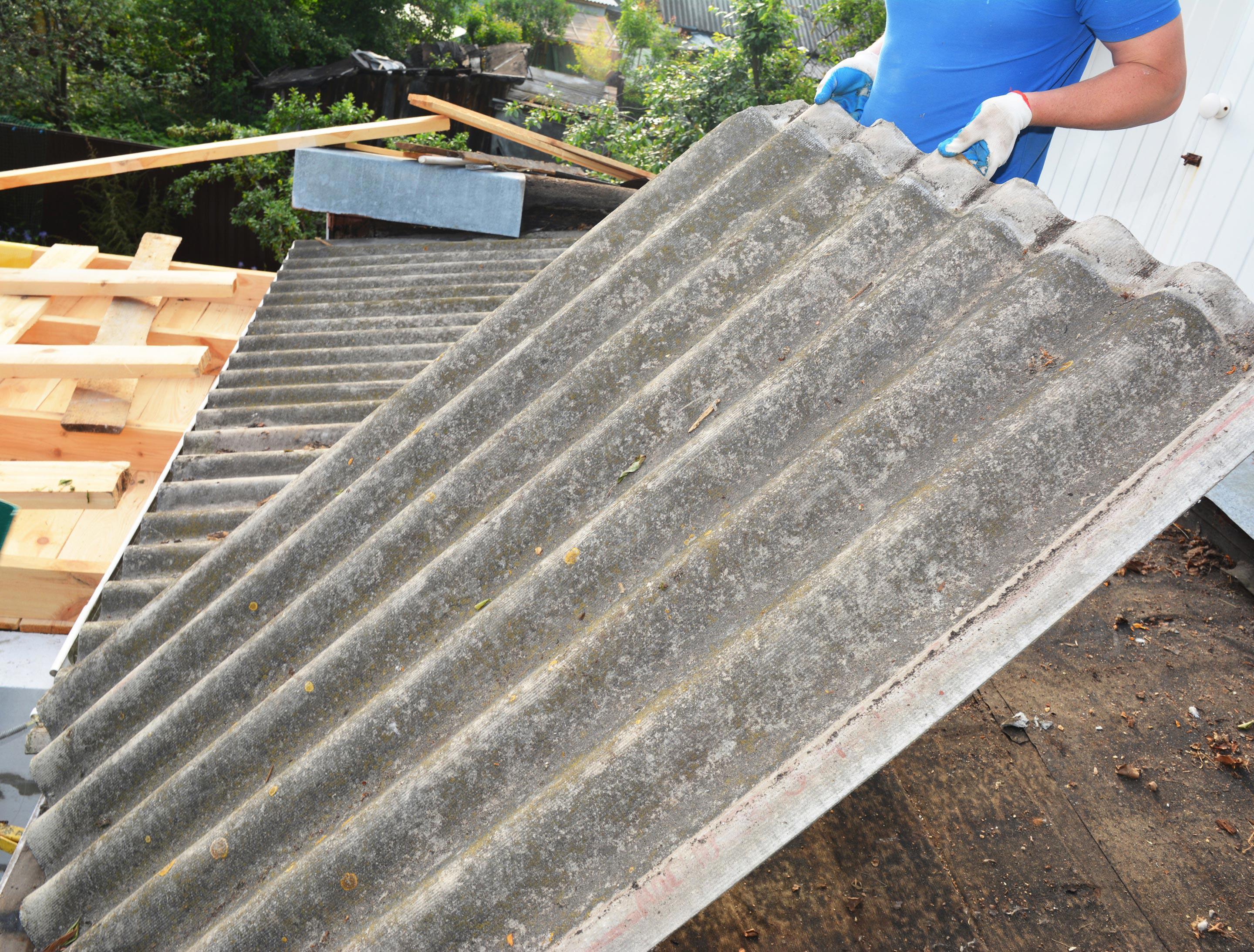
Eurofins Environment Testing Canada provides asbestos identification and quantification services to support safe handling and compliance with regulatory requirements. Asbestos identification helps reduce exposure risks in buildings and construction materials, thereby contributing to the protection of human health and the environment.
Testing of building materials, such as coatings, to detect the presence of asbestos, ensure compliance, and protect occupants.
Testing to detect asbestos fibres in the air, helping to maintain healthy and safe environments.
Analysing asphalt for asbestos content to ensure safe construction and maintenance practices.
Evaluating dust samples for the presence of asbestos to prevent exposure.
Testing soil to detect and quantify asbestos presence.
Analysing concrete for asbestos content to support safe building practices.
Detecting and quantifying asbestos fibres in drinking water.
Assessing various materials for presence/absence and quantification of asbestos.
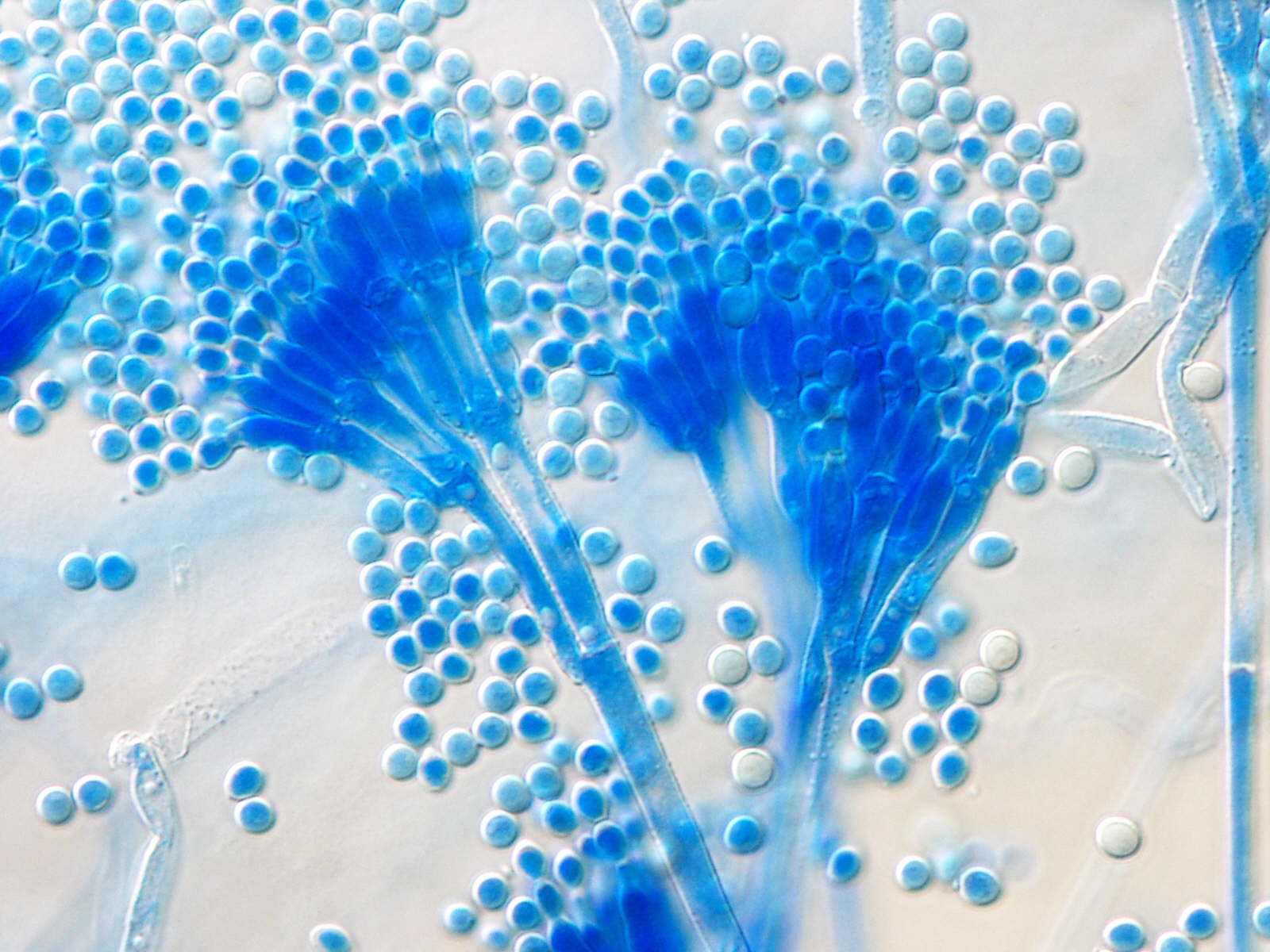
Mould testing helps identify contamination and assess indoor air quality. It contributes to managing the risks associated with mould and supports the implementation of appropriate remediation strategies in residential and workplace environments.
Microscopy of film contact samples, evaluation of impression plates, and swab samples.
Microscopy and cultivation of material samples, and activity and total cell count determinations.
Identification of true dry rot and other wood-destroying fungi.
Testing of nutrient media and filters from air germ collections, and slides from total spore collections.
Eurofins Environment Testing Canada conducts analyses to detect and measure lead concentrations in various matrices, including air, dust, and waste that may release lead.
Analysis of paint chip samples for lead content (particularly from older buildings). This testing is essential for renovation planning and compliance with health and safety regulations.
Analysis of surface and settled dust samples to assess lead contamination, often resulting from deteriorating paint or construction activities.
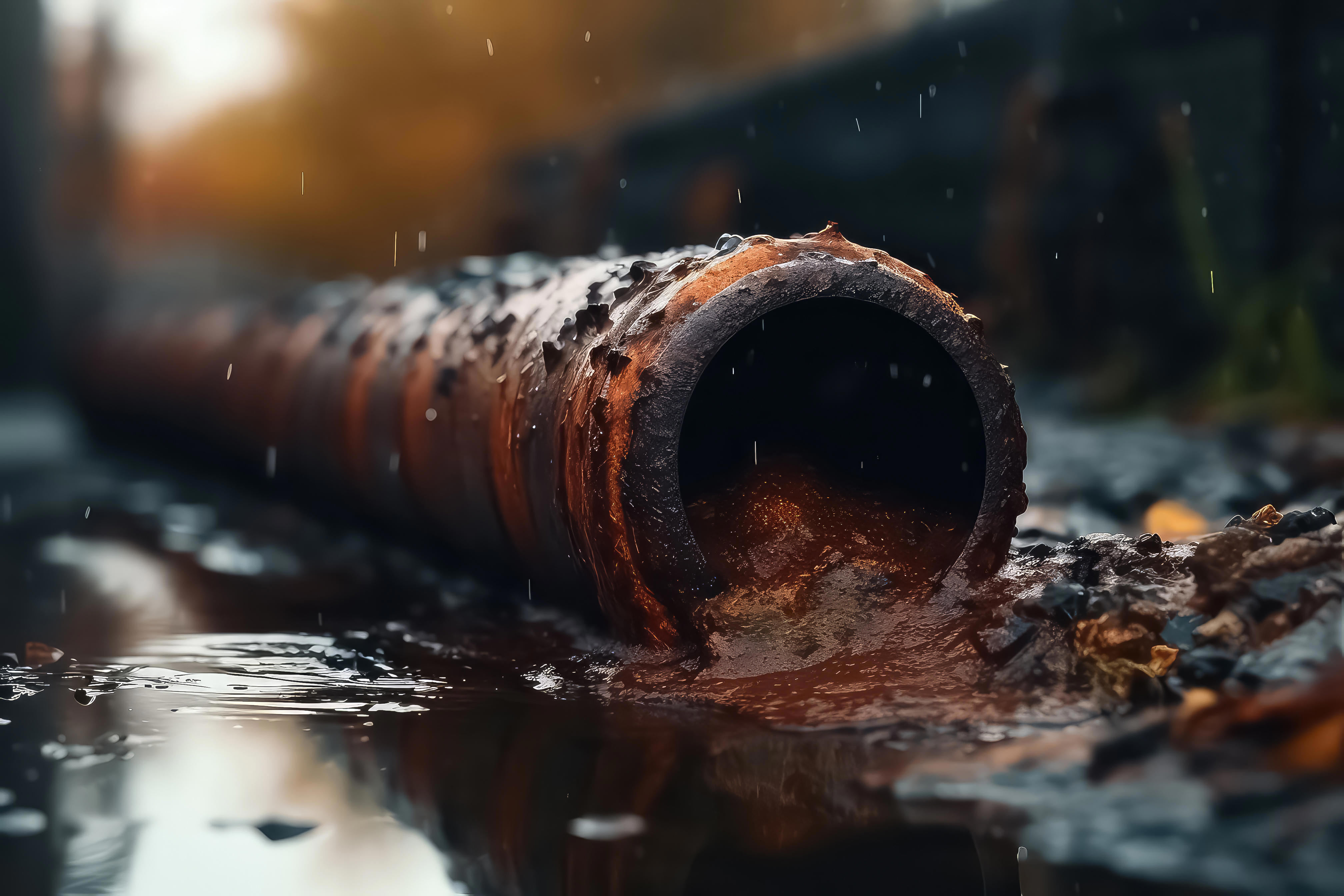
Testing of drinking water and other water sources for lead contamination, typically originating from plumbing components such as pipes, solder, or fixtures.
Indoor air quality testing helps identify pollutants, allergens, and microbiological contaminants that may affect indoor environments. It contributes to healthier and more comfortable indoor spaces while supporting compliance with applicable regulatory requirements.
Assessments to monitor and improve indoor air quality.
Evaluating ventilation systems to ensure optimal air circulation and quality.
Assessing climate factors and testing for volatile organic compounds (VOCs) to maintain a healthy indoor environment.
Detecting and measuring radon levels to protect public health and ensure compliance with safety standards.
Identifying and quantifying chemical and microbiological pollutants to ensure a safe indoor environment.
Legionella species detection and analysis help assess their presence in water and support the management of associated risks. These analyses contribute to maintaining water safety and compliance with applicable public health requirements.
Conducting analyses to identify legionella species in various water systems.
Detecting and quantifying legionella bacteria in hot water systems and cooling towers to prevent outbreaks.
Utilising advanced filtration techniques and molecular biology methods for accurate legionella detection.
Performing comprehensive physical and chemical analyses to assess water quality and detect legionella.
Conducting genotyping to determine pathogenicity and compare legionella strains to the population, along with serogroup identification.
Eurofins Environment Testing Canada analyses building and construction materials to detect the presence of hazardous substances and verify compliance with environmental standards. These analyses and identifications help ensure material safety and support sustainable construction practices.
Preparing samples and investigating their composition to provide detailed insights.
Performing leaching tests, including column tests, shaking tests, and diffusion tests, to assess the release of contaminants.
Analysing compounds known to cause adverse health and environmental effects.
Evaluating asphalt samples to ensure quality and compliance.
Detecting and quantifying asbestos in debris and materials to ensure safety and regulatory compliance.
Inorganic fibre testing helps detect and identify the presence of fibres, including artificial mineral fibres (AMF), which are used in a wide range of applications and materials.
Assessment of refractory ceramic fibres to ensure safety and compliance in high-temperature applications.
Testing fibres in rocks to support quality and safety in construction and industrial uses.
Conducting analyses of glass fibre to ensure suitability and safety for various applications.
Evaluating fibres in slag against industry standards to support safety requirements.
Eurofins Environment Testing Canada provides industrial hygiene assessments to evaluate workplace exposure to chemical, physical, and biological hazards. These services help maintain safe working environments and support compliance with occupational health and safety regulations.
Study of physical, chemical, and biological pollutants to assess their presence and potential impact on environmental quality.
Enumeration and identification of bacteria and mould present in air, on surfaces, and in various materials.
Sampling and analysis of total and respirable dust, asbestos, silica, welding fumes, and metals.
Sampling and analysis of organic and inorganic gases and compounds, including VOCs, CO, CO₂, H₂S, SO₂, NO₂, BTEX, and polycyclic aromatic hydrocarbons (PAHs).