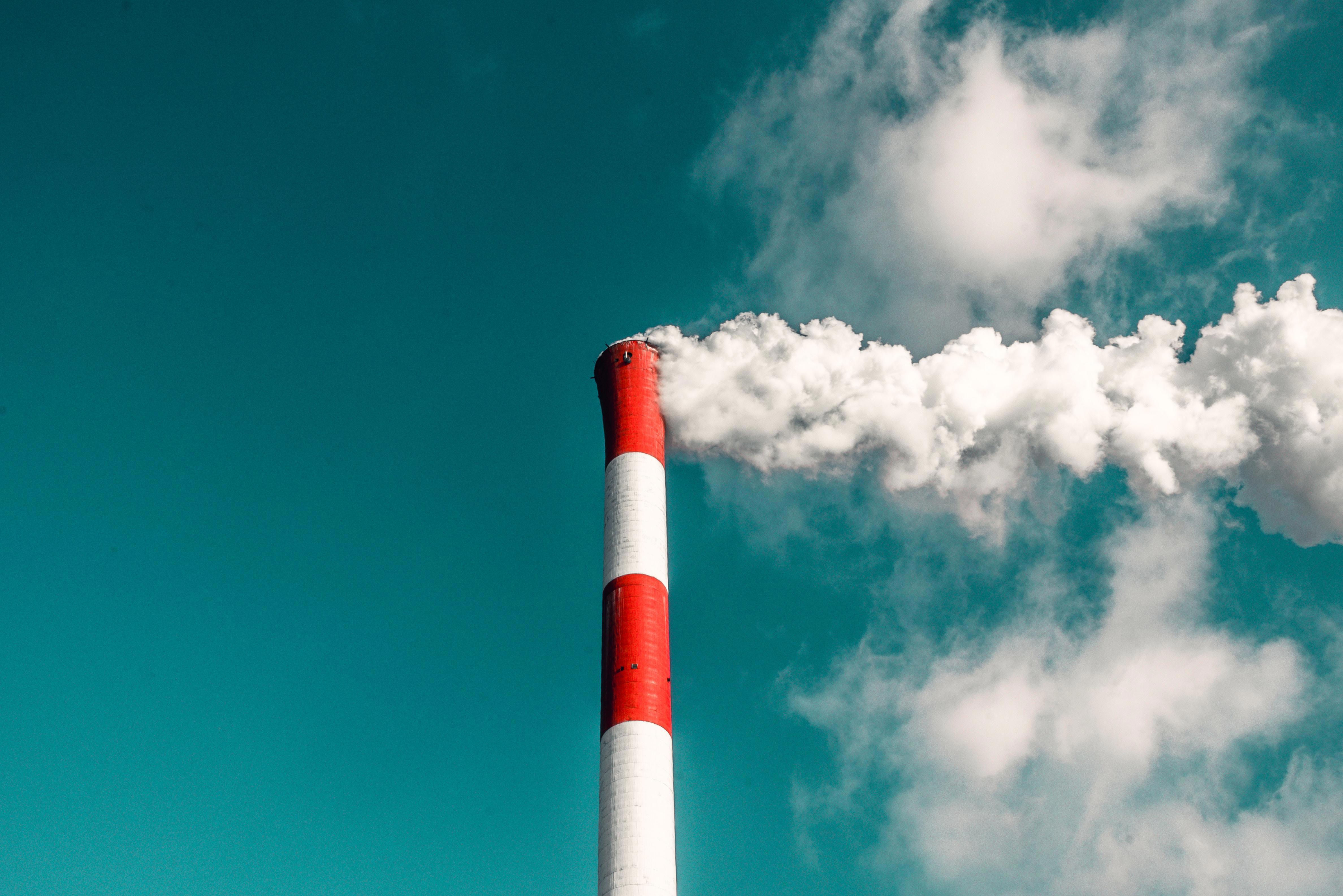
Eurofins Environment Testing Canada, with its expertise in stack emissions testing and monitoring, provides world-class support to your business. Our programmes can be tailored to your specific needs, and our on-site teams consist of engineers, chemists, and specialised technicians experienced in stack emissions testing.
If your facilities or processes are subject to regional or national regulations, you will need to comply with the specific requirements of your permit. With our comprehensive range of state-of-the-art equipment, we deliver stack emissions testing programmes based on internationally recognised protocols.
Our mobile laboratory units provide a clean environment for the preparation and recovery of samples collected at your sites without disrupting your day-to-day operations.
All our stack emissions testing and monitoring programmes include methods tailored to specific applications :
- Emissions monitoring for regulatory compliance
- Process optimisation testing
- Verification of emissions monitoring systems : Verification of CEMS and PEMS in accordance with the U.S. Environmental Protection Agency (EPA) Relative Accuracy Test Audit (RATA) protocols
- Compliance with all Environmental Protection Agency (EPA) testing standards : Testing of combustion gases, TOC, VOCs, particulate matter, halogenated compounds, dioxins, PAHs, and PCBs, as well as ambient air monitoring and compliance with dispersion standards.