Microplastics
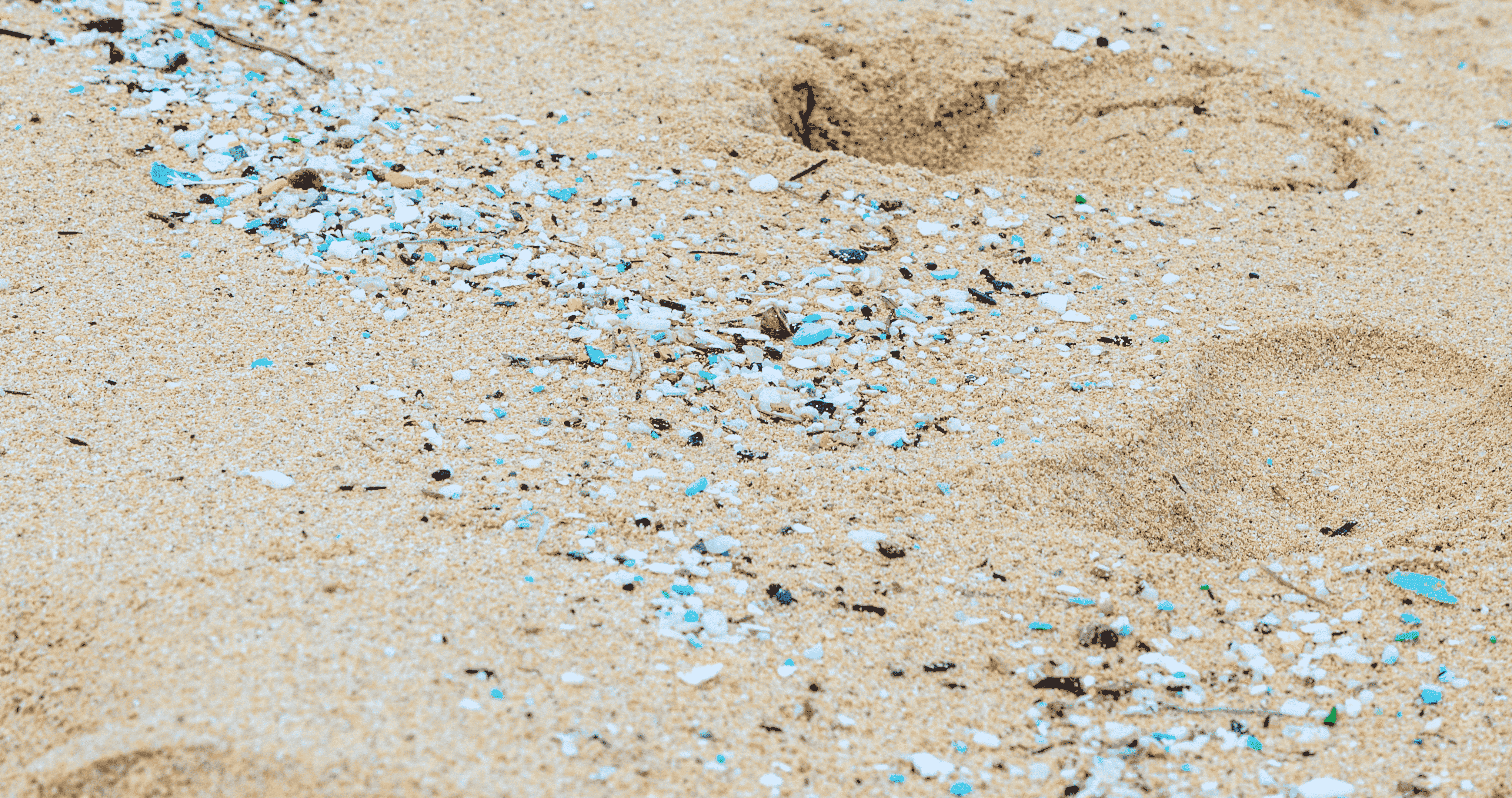
Plastic is a highly versatile material that has become indispensable in daily life. However, disposal and recycling pathways have often been overlooked, resulting in a significant proportion of plastic waste being released into the environment, where it fragments into microplastics.
Microplastics are defined as solid plastic or synthetic polymer particles that are insoluble in water and have a largest dimension between 1 µm and 5 mm (ISO 16094-2:2025). They are now ubiquitous across all environmental matrices. Recent toxicological studies indicate that microplastics may pose risks to human health and the environment, driving increasing global concern.
Our capabilities
In 2019, Eurofins Environment Testing Australia opened its first microplastics laboratory in Melbourne. The Laser Direct Infrared (LDIR) Chemical Imaging System is used to enumerate, analyse and size microplastic particles ranging from 20 to 5,000 µm, supported by rigorous QA/QC procedures.
Since late 2023, the laboratory has held ISO/IEC 17025:2017 accreditation for potable water, making it the first accredited microplastics testing facility in Australia. This was followed by accreditation for all water matrices in 2024.
Using methodologies aligned with current international standards, we analyse for the most common polymers, including polyethylene (PE), polypropylene (PP), polystyrene (PS), polyvinyl chloride (PVC), polyethylene terephthalate (PET), polycarbonate (PC), polymethyl methacrylate (PMMA), polyurethane (PU), polytetrafluoroethylene (PTFE) and polyamide (PA).
We support a wide range of sample types, including:

Environmental samples/monitoring
Water monitoring
Drinking water/bottled water/other drinks
Surface water
Wastewater
Groundwater
Sand & sediment
Soil, sludge, compost/biosolids and biodegradation residues
FOGO (Food and Garden Organics)
Air monitoring (indoor and ambient)

Food and beverage
Aquaculture, wild fish, oysters, mussels (e.g., tissue, oil)
Raw and processed milk
Tea, matcha and coffee
Infant formula
Salt

Agriculture
Soil
Compost
Product

Product testing
Cosmetics
Turf
Eye drops
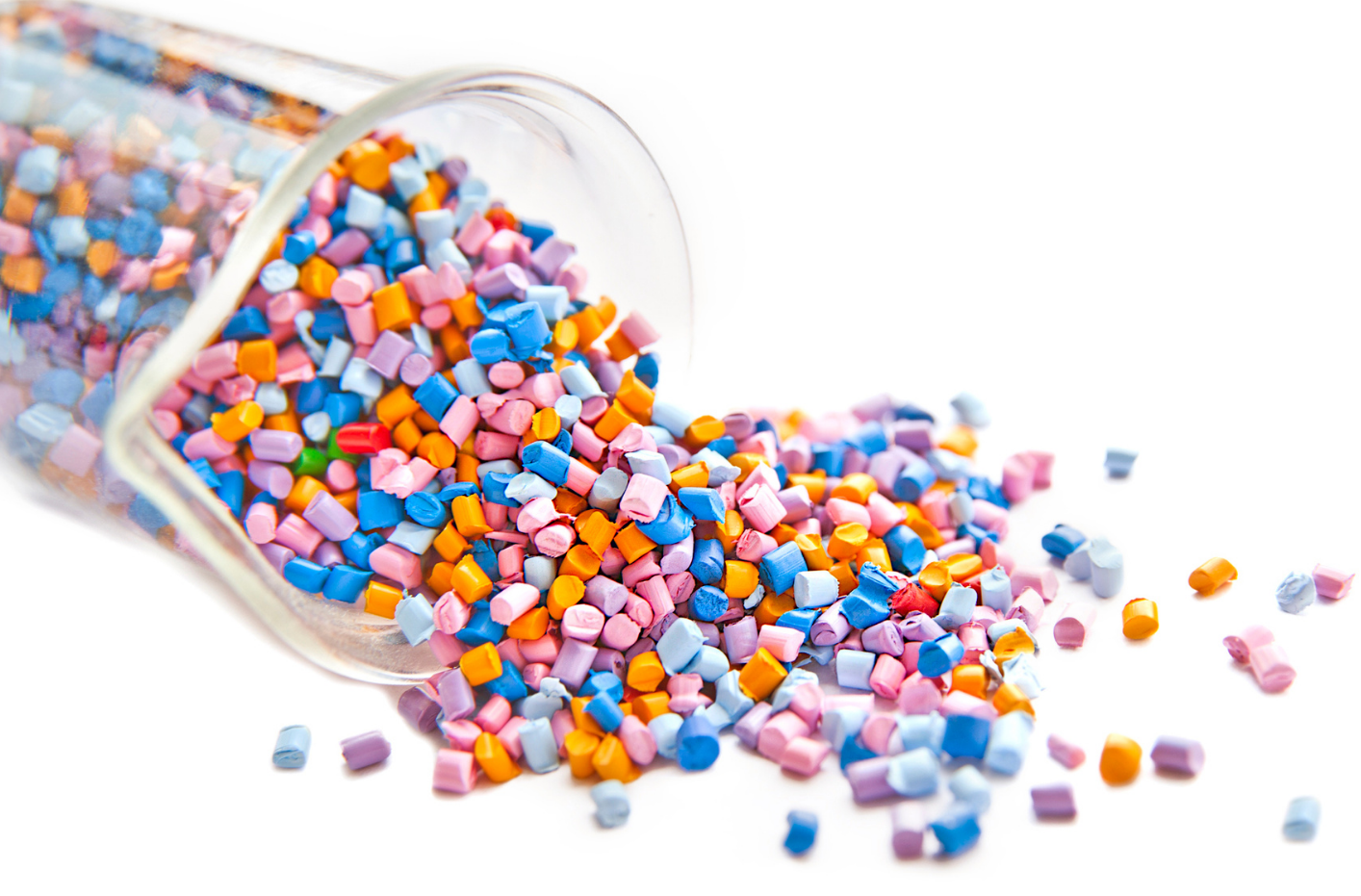
In Eurofins Environment Testing Australia’s dedicated, state-of-the-art microplastics laboratory in Melbourne, all samples are processed using stringent QA/QC procedures, including daily cleaning protocols, air blanks and procedural blanks, alongside laboratory control samples, in line with current ISO standards. In addition, the laboratory has participated in global interlaboratory comparison studies.
The laboratory was awarded the ALGA Industry Excellence Award (2022) for innovation advancing the practice of contaminated site assessment, management and/or remediation, as well as the NATA Excellence Award (2024).
There are six additional dedicated microplastics laboratories globally within the Eurofins Environment Testing network, enabling clients with access to state-of-the-art microplastics analysis using FTIR, Raman, Pyrolysis GC-MS and Thermal Desorption GC-MS.
For more information and pricing, contact:
MicroPlasticsAUS@eurofinsanz.com
Find a site near you!
 Clear Filters
 Reset Filters