
















































Resolving apparel quality issue – unwanted reappearing markings from heat‑sensitive fabric markers

Achievement highlight
A cold-weather-triggered garment quality issue emerged post-shipment despite passing factory checks. Investigation and cross-functional teamwork identified the root cause (heat-sensitive fabric pens), enabling a permanent fix that improved production quality control.
What was the issue?
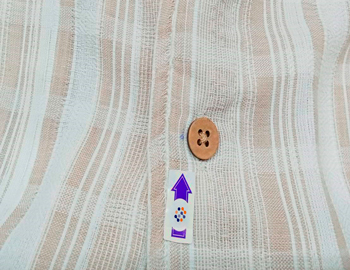
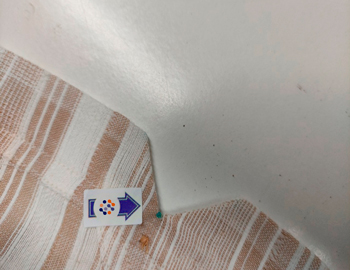
Unwanted marking lines were discovered on finished garments upon arrival at the warehouse in the USA, even though the products had passed final inspection at the factory in Southeast Asia with no visible defects.
Once exposed to winter conditions, faint streaks and lines became visible on the fabric surface. These markings negatively affected the visual appearance of the products and raised concerns regarding customer acceptance and brand quality standards.
The issue consistently appeared only after garments were exposed to cold environments during transport and storage, making it difficult to detect under normal factory conditions and increasing the risk of late-stage quality issues.
Why did the issue happen?
After receiving the quality issue report from the customer, Eurofins Assurance’s on‑site Quality Engineer visited the factories to conduct a root‑cause analysis. It was soon discovered that heat‑sensitive marking pens were the source of the problem.
The factories were using heat‑erasable, thermo‑sensitive fabric‑marking pens to mark cutting and sewing lines. These pens are commonly used in apparel production because the markings disappear when exposed to heat from ironing or washing, giving the impression that the ink has been permanently removed.
However, the ink in these pens is based on thermochromic chemistry. It contains a leuco dye, a developer, and a temperature‑adjusting stabilising matrix. At normal temperatures, the dye and developer remain bonded, producing a visible colour. When heat is applied, the stabilising matrix causes the bond to break, turning the ink colourless and making the marking appear erased.
When the fabric is later exposed to extremely low temperatures, typically below –20°C (-4 °F), the chemical components recombine and the colour reappears. This phenomenon is often referred to as a ‘ghost mark’.
During winter shipment and storage in North America, the garments were exposed to freezing temperatures, triggering the ink to revert to its coloured state. As a result, markings that had disappeared at the factory reappeared in the client’s warehouse, creating unexpected quality defects.
How did we fix it?
The issue was addressed through a combination of corrective actions, process control improvement, supplier education, and strengthened quality inspection procedures.
Immediate remediation
For immediate corrective action, affected garments were treated through cold water soaking followed by detergent laundering where feasible, helping to dissolve residual ink and minimize visible markings.
Long-term improvement actions
To prevent recurrence, the use of thermo‑sensitive marking pens was strictly prohibited across all factories. Approved alternative marking tools and methods were communicated and incorporated into production guidelines.
Supplier education was strengthened to ensure factories fully understood the risks associated with heat‑sensitive inks, particularly for products shipped to cold climates. Visual examples of acceptable and unacceptable marking practices were provided, along with explanations of how thermochromic ink behaves under temperature changes.
Quality control procedures were also enhanced. Eurofins Assurance’s QC teams began verifying marking tools during pre‑production and inline inspections, and requesting live demonstrations of marking processes on site. In addition, random heat testing was introduced, whereby QC teams used hairdryers or irons on marked fabric samples. If markings disappeared under heat exposure, this served as a clear indicator of thermo‑sensitive pen usage and triggered immediate corrective action.
What were the results?
Following implementation of these actions, no further cases of reappearing markings were reported at warehouse inspections. Garment appearance remained stable regardless of seasonal temperature changes, significantly reducing the risk of customer complaints and shipment rejections.
Do you need a hand in your garment and textile production quality management? Check out how our QA-QC Programme for Apparel and Garment Industry can help!



© Eurofins Assurance 2026 Personal data protection policy