















































Overseeing hidden risks in supply chains: why managing sub-contracting and outsourcing matters more than ever
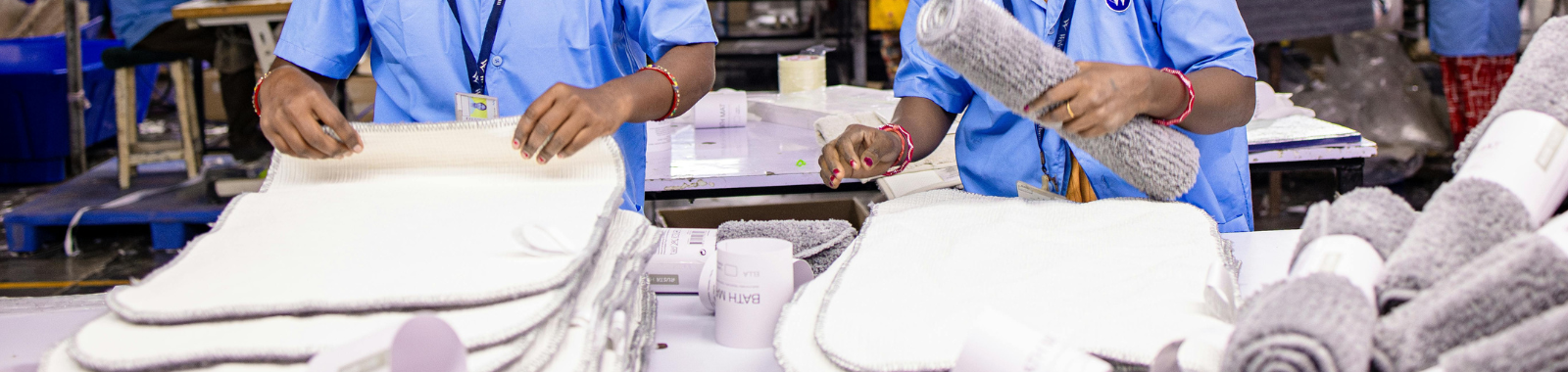

In today’s globalised economy, sub-contracting and outsourcing remain essential parts of supply-chain operations, especially in labour-intensive industries like fashion, footwear, consumer goods, and food manufacturing. These practices provide flexibility, speed, and efficiency, but they also create complex layers of responsibility that can hide serious social and ethical risks.
Several investigations in the fashion sector in Europe in recent years have highlighted how unauthorised sub-contracting can expose workers to unsafe conditions and brands to reputational and regulatory consequences. While such cases are not isolated, they reinforce the statement: supply-chain transparency is no longer optional. Governments, investors, NGOs, and consumers increasingly expect companies to demonstrate rigorous oversight and credible due diligence.
Escalating risks and growing demands for social due diligence
When work is passed down the chain or outsourced without authorisation, brands lose direct visibility and control on tier 2 and tier 3 suppliers that often lack proper management systems,compliant labour protections and policies. This lack of transparency can hide serious issues such as excessive overtime, unsafe conditions, illegal immigrants, underage workers, or worker exploitation. Ultimately, the problem is not sub-contracting or outsourcing itself but the opacity surrounding it, which prevents companies from verifying responsible practices and safeguarding worker welfare.
To strengthen control over these risks, governments and regulators around the world are adopting stronger policies that require companies to actively identify, prevent, and address human-rights risks throughout their full value chains. Watchdog groups, civil society, and the media are also increasing scrutiny.
- Growing regulatory pressure
Across Europe and elsewhere, legal frameworks require companies to conduct ongoing social due diligence, prove visibility over their extended supply chains, and demonstrate appropriate remediation when violations occur. The most overarching one, EU Corporate Sustainability Due Diligence Directive (CSDDD), although with a shrinking scope in time of writing, will still have significant impacts to larger corporate which breach the human rights and environmental requirements under this directive.
- Stakeholder and investor expectations
Investors now view ESG risk as financial risk. They expect companies to show credible oversight, backed by findings and results from reliable due diligence initiatives.
- Consumer awareness
Consumers are increasingly aware of corporate due diligence, expecting businesses to uphold ethical practices, transparency, and compliance with environmental and social standards. This growing awareness influences purchasing decisions and brand loyalty, driving demand for responsible corporate behavior.
- Business resilience
Responsible sourcing is not just about compliance; it also protects continuity, avoids disruptions, and builds long-term, trust-based value chains.
In this environment, companies need a proactive, structured approach to social responsibility.
Strategies to mitigate outsourcing and sub-contracting risks
To effectively reduce hidden risks, companies should adopt a multi-layered strategy that strengthens oversight across all tiers of the supply chain.
- Conduct through out supply-chain mapping
Visibility must extend past tier-one suppliers. Mapping sub-contractors, sub-tiers, and labour intermediaries helps uncover hidden risks and identify where ethical policy should be implemented.
- Strengthen supplier engagement
Clear communication, partnership-driven capacity building, and incentives for compliance encourage suppliers to be transparent about their operations.
- Integrate robust contractual controls
Supplier agreements should require disclosure and approval of any sub-contracting activities. Expectations regarding social compliance must be explicit and measurable.
- Use specialized audits and production-verification tools
Productionverification helps detect sub-contracting gaps by verifying where production truly occurs. Coupled with social compliance audits, businesses can systematically identify missing rings and adopt action plans to improve performance.
- Support meaningful worker-voice channels
Grievance mechanisms, worker interviews, and off-site communication channels help reveal issues that may not appear in documented records.
- Implement a continuous due-diligence cycle
Risk monitoring, corrective-action follow-up, and regular performance reviews ensure that compliance is sustained over time.
This holistic, proactive approach makes it far more difficult for hidden sub-contracting to remain undetected and strengthens corporate accountability.
How Eurofins Assurance supports responsible supply chains
Eurofins Assurance offers a comprehensive suite of social responsibility and supply-chain oversight services, including social audits and production verification services, which help detect unauthorised sub-contracting and ensure ethical practice.
These services are designed to meet modern expectations for social due diligence and provide organisations with:
- Independent and credible assessment of labour and working conditions
- Verification of actual production, helping identify off-site or hidden activity
- Ongoing monitoring and re-assessment
- Insights that drive continuous improvement and systemic change
Contact our team if you have any questions.



© Eurofins Assurance 2026 Personal data protection policy