














































FDA Supplements Regulation – Seven Most Common Questions
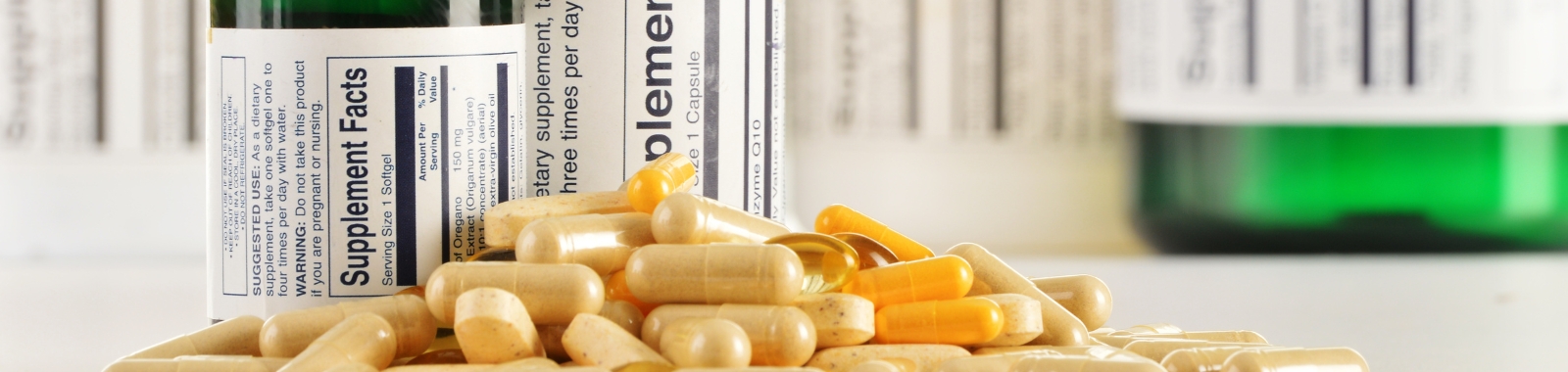

Dietary supplements are highly regulated in the U.S. market to protect consumers from unsafe ingredients, adulteration and misleading claims. Although the U.S. Food and Drug Administration (FDA) does not approve dietary supplements products prior to their market entry, it plays a critical role in monitoring products safety and quality through manufacturing facility inspections, label reviews and adverse effects reports. When unsafe and non-compliant products are identified, FDA has the right to issue warning letters, initiate recalls and take other legal actions that include monetary penalties.
Here we address seven frequently asked questions about FDA dietary supplement compliance, covering everything from common quality issues identified in FDA inspections to how to properly prepare for an FDA inspection.
Q1. What are the FDA's current priority areas when enforcing dietary supplement compliance?
As set forth in Dietary Supplement Health and Education Act of 1994, FDA’s focuses are around:
- Compliance with 21 CFR Part 111 (Dietary Supplement cGMP)
- Adequate product specifications and testing
- Supplier qualification and verification programmes
- Labelling compliance and permissible claims
- Serious adverse event reporting
- Data integrity and documentation practices
Q2. What are the most common observations during FDA inspections on dietary supplements?
FDA conducts domestic and overseas on-site inspection to different dietary supplements manufacturing facilities to assess if the sites are compliant to Good Manufacturing Practice (GMP) standard. Despite years of regulatory implementation, FDA still observes these recurring compliance gaps in their inspections:
- Incomplete or poorly documented batch records
- Lack of scientifically justified product specifications
- Weak supplier qualification programmes
- Failure to verify Certificates of Analysis (COA)
- Inadequate deviation and OOS investigations
Q3. How important is documentation during a FDA inspection?
Documentation is critical. FDA inspections are evidence-based. If activities are not properly documented, they are considered not performed.
To stay ready for FDA inspections or other audits from customers or third-party services providers, dietary supplements companies must maintain robust, organised and accessible documentation that are built around:
- Complete batch production records
- Approved and controlled SOPs
- Real-time entries in manufacturing records
- Change control documentation
- Internal audit records
Q4. What does the FDA expect companies to do regarding supplier qualification?
Global sourcing is inevitable but has increased risk exposure in materials and products integrity, especially when sourcing from new suppliers. The FDA expects companies to qualify their suppliers properly through:
- Conduct risk-based supplier evaluations against 21 cfr 111 requirements
- Perform confirmatory testing of incoming materials, particular with dietary ingredients
- Periodically audit high-risk suppliers as a continued monitoring policy
- Maintain supplier performance monitoring records that are ready for review upon requests
Q5. Does FDA monitor labelling and marketing claims of dietary supplements?
Yes, improper claims have always been a major enforcement area for FDA. Dietary supplements companies must carefully distinguish between these two claims when producing the labels:
- Structure-function claims: claims such as ‘improve immune system’ and ‘reduce the risk of coronary heart diseases’ are permitted for dietary supplements with proper disclaimers backed by substantial evidence and notify FDA within 30 days of marketing.
- Disease claims: these are generally prohibited for dietary supplements as they are considered as drugs that are regulated by different sets of regulations.
Apart from the labels printed on product packaging, the FDA also monitors websites, social media, and e-commerce platforms. Therefore, marketing teams of the business should work closely with QA or regulatory teams to ensure compliant communication.
Q6. How can dietary supplements companies better prepare for FDA inspections?
Similar to other audit and certification, companies should constantly stay ready by embracing a strong QMS mindset which is demonstrated in these best-practice actions:
- Conduct mock FDA inspections
- Train employees on inspection conduct
- Ensure QA teams are well-versed in 21 CFR Part 111
- Perform periodic internal audits
- Maintain a state of continuous compliance
Q7. What is the one key principle for dietary supplement manufacturers to ensure FDA compliance?
Compliance must be integrated into daily operations—not treated as an event-driven activity.
A strong Quality Management System, disciplined documentation practices, and a risk-based compliance approach are essential to meeting FDA expectations and sustaining long-term business success.
Whether you are preparing for your first FDA inspection or strengthening an existing compliance framework, our experts help you move from reactive compliance to strategic quality excellence.
Check out how we can support dietary supplements and connect with our team today to strengthen your regulatory confidence.



© Eurofins Assurance 2026 Personal data protection policy