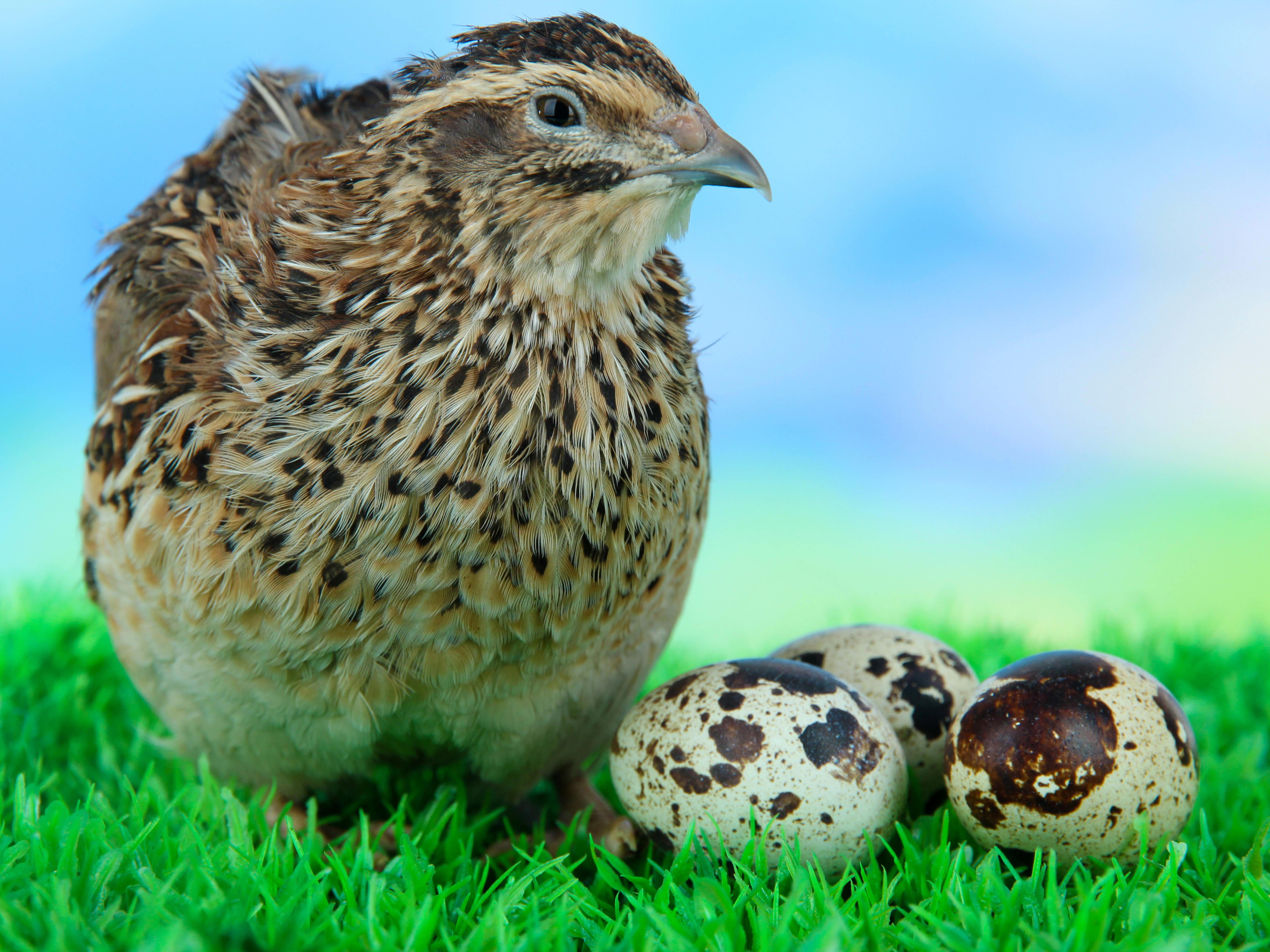
Complete suite of terrestrial ecotoxicology studies to support registrations for Plant Protection Products (PPPs)

Eurofins Agroscience Services (EAS) offers a wide range of standardised Tier 1 laboratory studies, as well as more complex higher tier studies conducted under extended laboratory, semi field, and full field conditions using standard or customised study designs.
All studies are planned and executed by our highly experienced scientific and technical teams in accordance with the latest SETAC, IOBC, OECD, ISO, and EPA guidelines and supporting guidance documents. We deliver regulatory ready, GLP compliant results that align with EU, US, LATAM, and APAC expectations—and support robust environmental risk characterisations for registration.

4by3_young-quail-with-eggs-on-grass-on-blue-background_7776-x-5184-px

Avian safety services

Comprehensive acute, sub-acute, and reproduction programmes, radiolabelled and non labelled.
Expand_img

Operating since 1985, our avian safety laboratory (Easton, Maryland, USA) is recognised for its experience on a broad range of species, such as northern bobwhite, japanese quail, mallard, zebra finch, canary, as well as chickens, pheasants, house sparrows, pigeons, partridge. 

Custom study designs are offered for non-traditional species or to meet client-specific needs.

  • Acute oral and sub‑acute dietary safety (including passerines)
  • Biopesticide pathogenicity/safety
  • Food avoidance/repellency (treated seeds/granules)
  • Reproduction (500+ studies conducted), multi‑generation with endocrine endpoints
  • Hen delayed neurotoxicity; poultry feeding/metabolism
  • Avian residue and metabolism studies; chemistry support
es-ter-lady

Non-target arthropods (NTA)

We conduct a wide range of IOBC/WPRS based non target arthropods studies with leaf dwelling and soil dwelling species.

Expand_img

Representative species

  • Leaf‑dwelling: Aphidius rhopalosiphi, Trichogramma cacoeciae, Typhlodromus pyri, Chrysoperla carnea, Coccinella septempunctata, Orius laevigatus
  • Soil‑dwelling: Poecilus cupreus (adults/larvae), Aleochara bilineata, Pardosa spp.

Study tiers

  • Tier 1 laboratory: IOBC/WPRS (2000)
  • Tier 2 extended laboratory: IOBC/WPRS (2000) or IOBC (2009)
  • Higher tier: aged residue and semi-field studies
  • Field: predatory mite field, in- and off-crop NTA, arthropod residue/drift residue field

Custom options

  • Granule/dust effects on A. rhopalosiphi (lab dust studies)
  • Wind‑tunnel spray Drift‑ simulations
  • Coated seed/metabolite testing with soil arthropods
  • Alternative collembolan (Sinella curviseta)
  • Oribatid mite (Oppia nitens) (ISO Draft 23226:2018)
es-ter-beetle

Non-target dung organisms

We conduct studies for the testing of veterinary pharmaceuticals with dung organisms, using organic farming cattle dung substrates.

Expand_img

We test dung flies (Musca autumnalis, Scatophaga stercoraria) and dung beetles (Onthophagus taurus, Aphodius constans). We participate in the DOTTs group and ring tests supporting method development.

  • Dung flies: Developmental toxicity (OECD 228)
  • Dung beetles: Developmental toxicity (OECD Guidance 122)
  • Reproduction toxicity (per revised ring test protocol)
es-ter-worm

Non-target soil organisms

We provide comprehensive laboratory, semi-field, and field studies with soil biota.

Expand_img

Our expertise encompaases standard applications and modified designs for coated seeds, pellets, granules, actives, and metabolites. Where required, application verification can be linked to in-house residue analysis. 

Earthworms (Eisenia fetida/andrei):

  • Acute toxicity: OECD 207 / ISO 11268‑1
  • Reproduction: OECD 222 / ISO 11268‑2
  • Bioaccumulation: OECD 317 

Enchytraeids (Enchytraeus albidus/crypticus):

  • Reproduction: OECD 220
    (Note: your draft listed “OECD 222” for enchytraeids—please confirm; we can keep as 220/222 per your SOP) 

Soil micro arthropods:

  • Springtails (Folsomia candida): Reproduction (OECD 232)
  • Predatory mites (Hypoaspis aculeifer): Reproduction (OECD 226) 

Soil microflora:

  • Nitrogen transformation (OECD 216)
  • Short‑term respiration (OECD 217) 

Mycorrhizal fungi (Glomus mossae):

  • Spore germination (ISO 10832) 

Field litterbag, earthworm and micro‑arthropod trials across Europe 

Custom options:

  • Drip irrigation exposure (semi field)
  • Endogeic earthworm Aporrectodea caliginosa in natural soils
  • Multi soil test sets (natural soils) 
es-ter-plants

Non-target terrestrial plants (NTTP)

We evaluate potential effects on seedling emergence and vegetative vigor, and conduct chronic higher plant tests per ISO standards.

Expand_img

Greenhouse conditions allow year round execution

  • Seedling emergence: OECD 208 / OCSPP 850.4100
  • Vegetative vigor: OECD 227 / OCSPP 850.4150
  • Chronic higher plants (soil quality): ISO 22030

Custom options

  • Semi‑field under UV‑permeable roofs with rain protection
  • Testing of non-crop species at vegetative and generative stages
  • Ongoing test system development to address emerging EFSA requirements
es-ter-hive

Pollinator safety

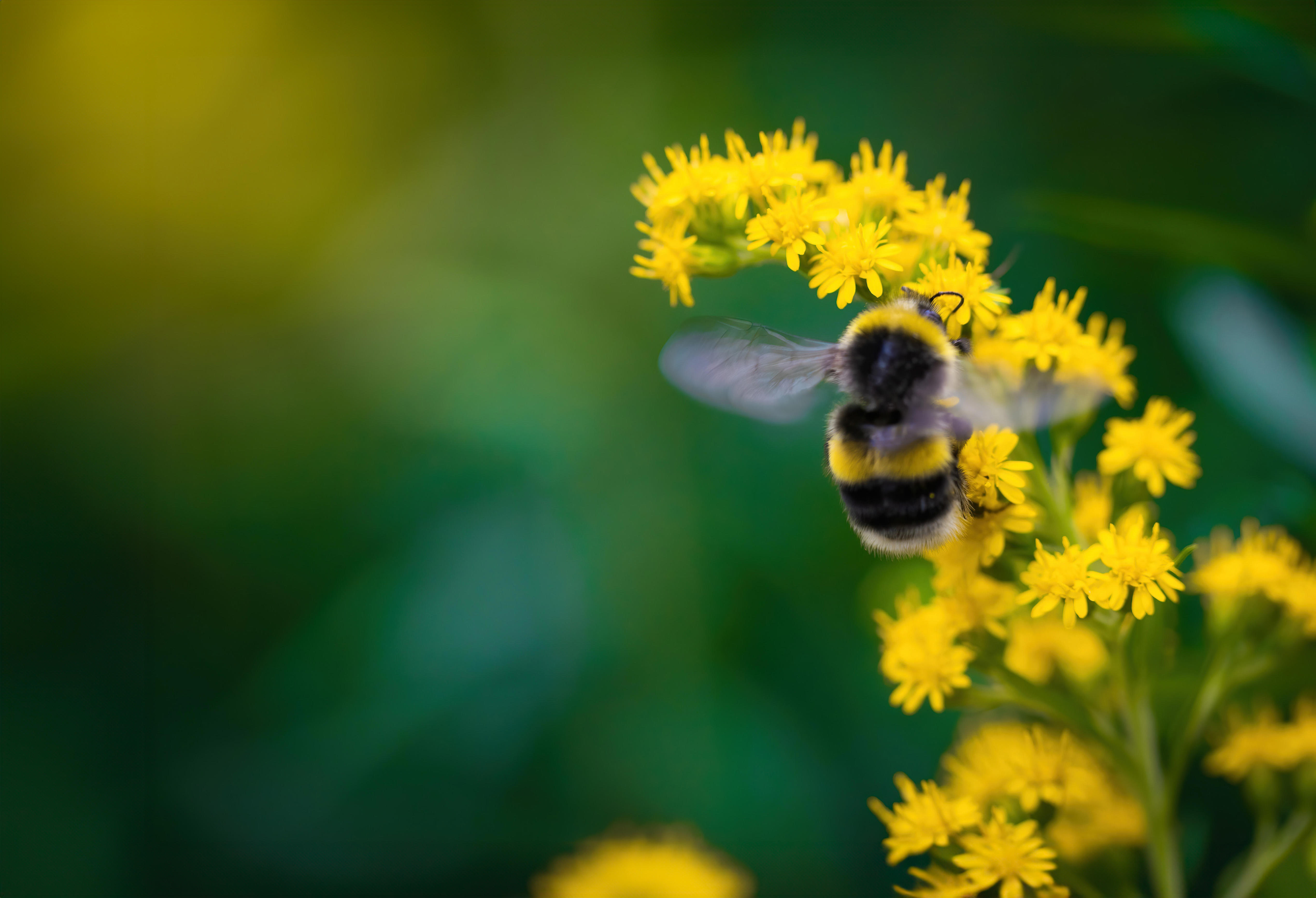
Recognised for leadership in pollinator risk assessment, we evaluate the effects of Plant Protection Products on honey bees (Apis mellifera), bumble bees (Bombus terrestris), and solitary bees (Osmia bicornis).

Expand_img

Our experts apply OECD laboratory guidelines and EPA/OPPTS protocols for extended studies and actively contribute to international ring-testing initiatives that have been the backbone of several OECD test methods.

Honey bee (Apis mellifera)

  • Acute oral/contact (OECD 213 / 214)
  • Chronic adult (OECD 245)
  • Larval toxicity (OECD 237; GD 239)
  • Extended laboratory (OPPTS 850.3030)
  • Semi field & field (OECD 75, EPPO 170, CEB 230)
  • Brood feeding studies (EPPO; Oomen et al. 1992; EFSA guidance)

Bumble bee (Bombus terrestris)

  • Acute oral/contact (OECD 246 / 247)
  • Chronic (based on OECD 245 / 247)
  • Semi field & field (OECD 75, EPPO 170, CEB 230)
  • Coated seed dust and guttation exposure

Solitary bee (Osmia bicornis)

  • Acute laboratory testing
  • Semi field and field assessments

Pollinator exposure and residue

  • Sampling of nectar, pollen, and hive matrices (wax, bee bread, honey) and relevant plant/soil/water/dust sources to characterise exposure
  • Honey stomach preparations to quantify residues carried by foragers after application; pollen loads may be collected in parallel
  • In-house analysis or transfer to your designated laboratory under controlled chain of custody
es-ter-bees

Specialised services and bespoke screening programmes

Capabilities include field monitoring and residue studies, realistic-use exposure data generation and test‑system development.

Expand_img
  • Pollinator monitoring of native bee communities under field conditions
  • Drift residue laboratory/field studies for dust deposition during sowing of coated seeds or granule applications (e.g., per SANCO/10553/2012 rev.16 (2018) draft)
  • Bird and mammal monitoring under realistic use to generate generic exposure data
  • Non-GLP screening tests available for: Eisenia fetida, Folsomia candida, Hypoaspis aculeifer, Typhlodromus pyri, Aphidius rhopalosiphi, Apis mellifera, and Bombus terrestris
  • Test‑system development, for instance:
    • Terrestrial isopods (Porcellio scaber) feeding on treated leaf litter (dietary exposure)
    • Herbivorous butterfly larvae (Vanessa cardui, Pieris brassicae) feeding on treated foliage (dietary exposure)
    • Seasonal honey‑bee laboratory testing in autumn/winter (Spain)
taxa-header-new

Taxonomy service and full fauna studies

Extensive experience and knowledge in taxonomic identifications and conduct of biodiversity studies.

Expand_img

Our team of expert ecotoxicologists design, plan and conduct custom field studies to address your data requirements, from inventory studies of local fauna to long term higher tier monitoring studies under realistic agricultural conditions.

Based in Europe, our taxonomy team has decades of international renowned experience for specie identification on a wide range of taxa.

  • Acari
  • Beetles
  • Spiders
  • Diptera
  • Collembola
  • Hymenoptera

They have developed a high-throughput automated counting system to process the large number of local fauna and soil samples generated in each study in a standardized and time efficient manner.

wildlife-field-services-accordion

Wildlife studies

Full range of scientific wildlife services across Europe, GLP compliant.

Expand_img

Our team of biologists have formed working relationships with public institutions, farmers, private companies, agricultural advisors and universities throughout Europe.

At every step, we support you efficiently to add value to your project:
  • Funding request: secure your application with scientific insights to justify how the project goals can be reached;
  • Project preparation: study planning and protocol, staff training, equipment supply;
  • Study conduct: wildlife radio-tracking, trapping, assessment and collection of specimen;
  • Post-field analysis, QGIS mapping and reporting