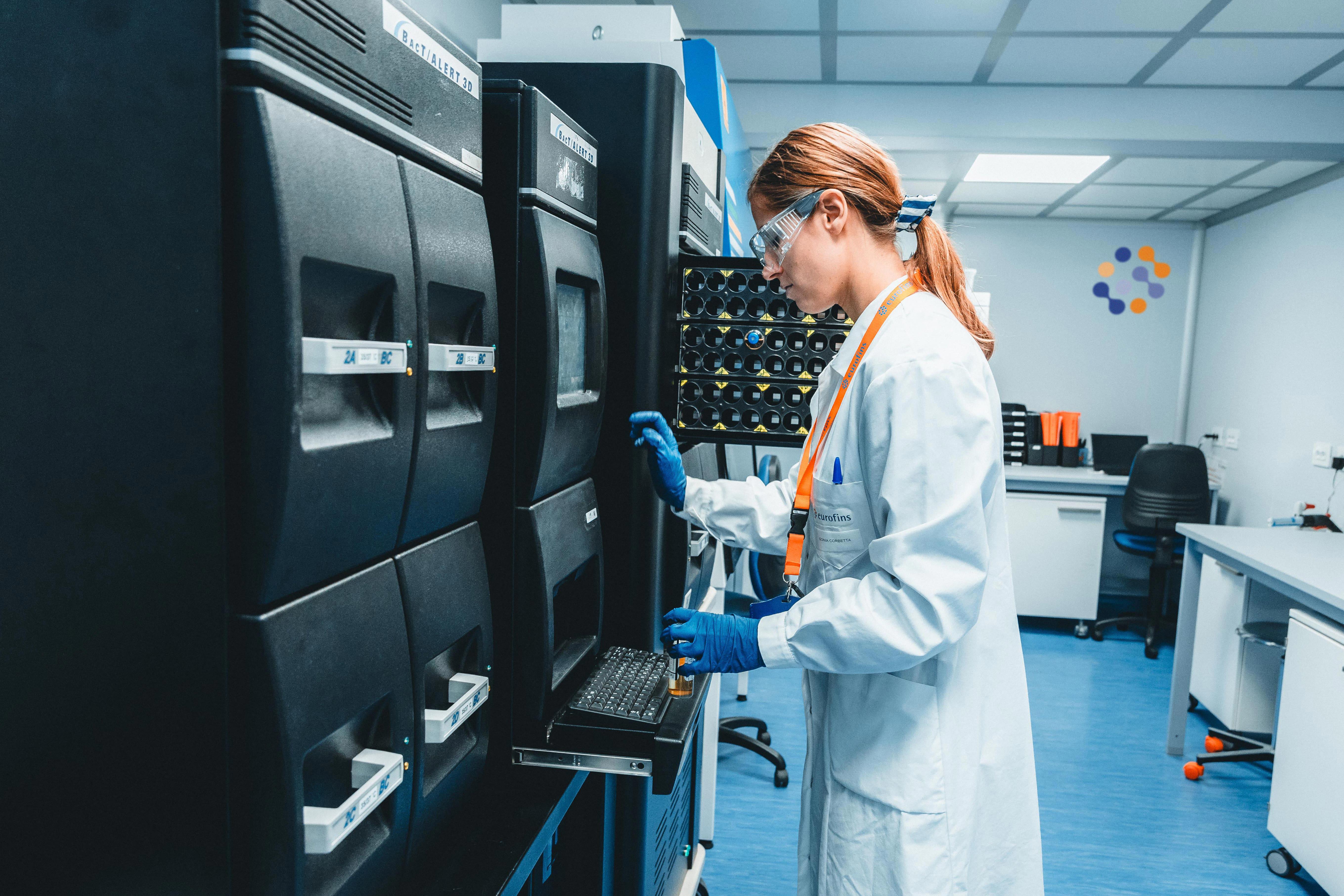
Eurofins’ GLP 1 agonist multiplex testing enables rapid, data-driven decision-making and improves success rates in treating complex diseases
Paul Morrissey, PhD, Senior Manager, Molecular & Cell Biology, Eurofins BioPharma Product Testing Ireland, paul.morrissey@bpt.eurofinseu.com; Devakumar Sundaravinayagam, PhD, Senior Scientist, Biopharm, Devakumar.Sundaravinayagam@bpt.eurofinseu.com
With the rapid expansion of GLP 1 receptor agonists in the treatment of obesity, type 2 diabetes, and metabolic disorders, the demand for highsensitivity, high-throughput bioanalytical platforms has never been greater. At Eurofins BioPharma Product Testing (BPT) Dungarvan, we have invested in the MESO QuickPlex® SQ 120MM, a state of the art electrochemiluminescence (ECL) detection system, to deliver fast, precise, and regulatory compliant testing for our global client base.
Why the MESO QuickPlex® SQ 120MM?
The MESO QuickPlex platform offers unmatched analytical performance for ligand binding assays and immunogenicity testing, making it ideal for the potency, pharmacokinetic (PK), and biomarker analysis of GLP 1 agonists. Its unique ECL technology provides:
- Ultra low detection limits with low sample volume
- Multiplexing capability with low turnaround time
- Exceptional reproducibility
- Wide dynamic range
Applications in GLP 1 agonist development
Our Dungarvan team leverages the MESO QuickPlex SQ 120MM for:
- Potency assays aligned with GLP 1 receptor pharmacology
- Simultaneous quantitation of multiple analytes within a single well, using U-Plex and V-Plex multiplexing platforms
This capability supports the development of multi-target therapies by enabling rapid, data-driven decision-making across both preclinical and clinical stages. It facilitates efficient candidate selection, dosing optimisation, and enhances translational predictability. Additionally, it contributes to mechanism-of-action research and adaptive trial design, ultimately improving development efficiency and success rates in treating complex diseases such as metabolic disorders.
Multiplexing strategy using U-PLEX and V-PLEX platforms
Multiplexing is a powerful analytical technique that enables the simultaneous quantitation of multiple analytes within a single well. This approach significantly enhances efficiency by reducing the number of plates required for analysis and conserving valuable sample volume, allowing up to 10 different analytes to be measured from just 20 μL of sample.
At the Eurofins BPT’s Dungarvan site, we are adopting U-PLEX multiplexing technology to customise assay plates and optimise experimental conditions tailored to our specific analytical needs. Following this, we can validate to V-plex level, resulting in a validated kit-based assay that offers enhanced robustness and reproducibility for routine testing. This strategic approach is expected to streamline our workflows, improve data quality, and support high-throughput analysis in a cost-effective manner.
Partnering for Success
Whether you are advancing a first in human GLP 1 analogue or optimising a late stage clinical candidate, the MESO Quick-Plex SQ 120MM at Eurofins BPT Dungarvan offers the precision, speed, and compliance to accelerate client programs.
Contact us at: EurofinsBPT-IE@bpt.eurofinseu.com or visit our website here: www.eurofins.ie/biopharma-product-testing-ireland/
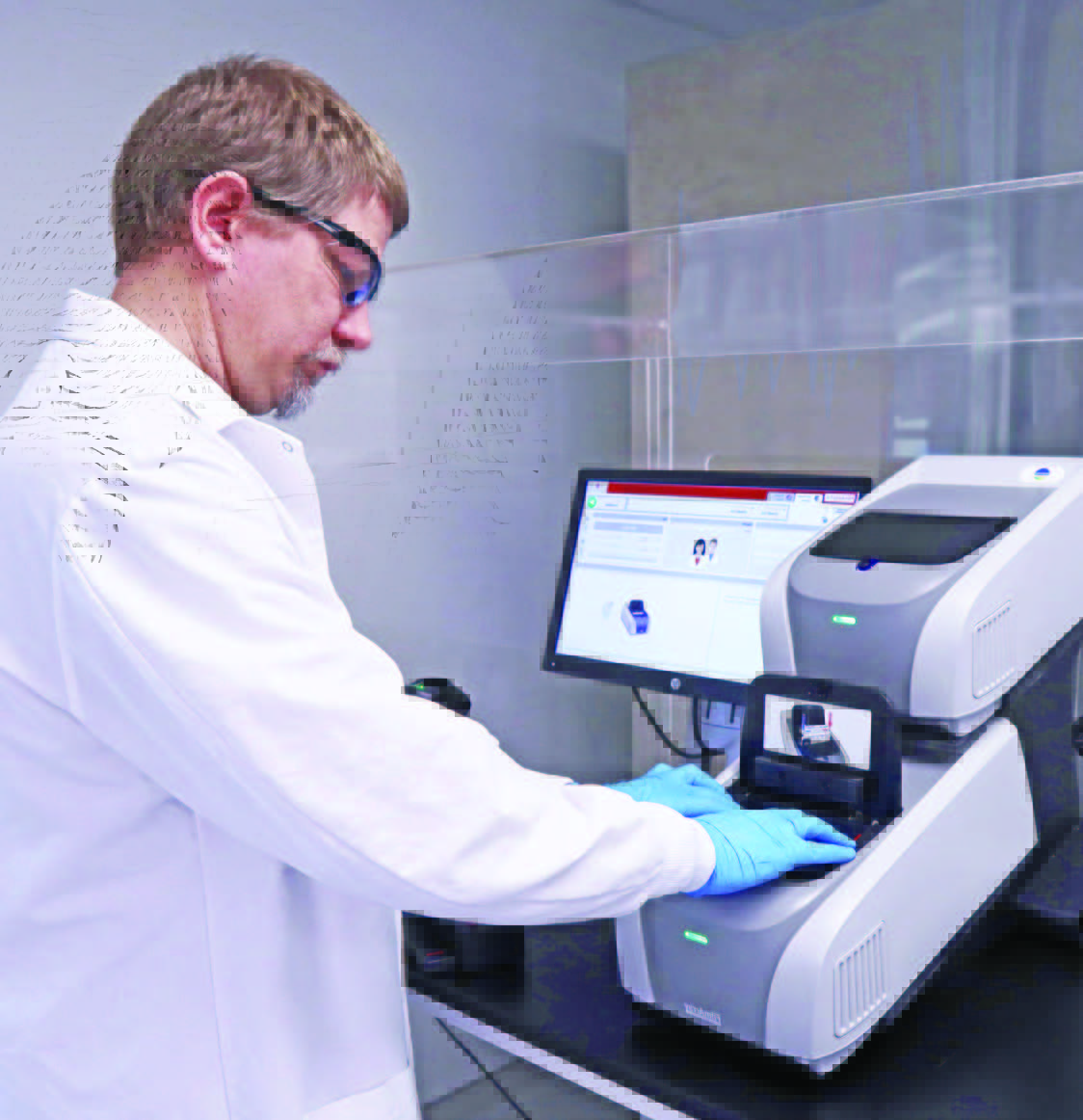
Achieve speed and sustainability with new rapid microbiological methods
Tom Lehman, PhD, Vice President, Microbiology Business Unit, Eurofins BioPharma Product Testing, Lancaster, PA, thomas.lehman@bpt.eurofinsus.com; Sara Baroni, Marketing Specialist, Eurofins BioPharma Product Testing Italy, sara.baroni@bpt.eurofinseu.com; Christopher Smith, Manager, Mycoplasma Services, Eurofins BioPharma Product Testing, Lancaster, PA, ChristopherC.Smith@bpt.eurofinsus.com
Quality control laboratories are under increasing pressure to deliver microbiological results faster than what traditional compendial methods can accommodate. In addition to the demand for speed, laboratories are increasingly expected to align with broader corporate sustainability initiatives.
While innovative rapid technologies accelerate the detection and identification of microorganisms, sustainable methods significantly reduce resource consumption, waste generation, and energy use compared to traditional methods. The global regulatory landscape clearly supports the implementation of Rapid and Alternative Microbiological Methods (RMMs) across multiple test categories, from sterility to mycoplasma detection and bioburden control. The European Pharmacopoeia Chapter 5.1.6 and the U.S. Pharmacopeia Chapters <1223> and <1071> explicitly acknowledge that modern technologies, when properly validated, are acceptable alternatives to traditional compendial methods. Global adoption of these technologies has allowed the pharmaceutical and biopharmaceutical industries to meet rigorous regulatory standards, advance their sustainability goals, and enhance both operational performance and environmental stewardship.
Eurofins BioPharma Product Testing (BPT) implements rapid microbiological methods, enhancing our environmental responsibility and our ability to provide results in a shorter timeframe.
Mycoplasma Testing
Compendial mycoplasma testing has been the globally recognised standard for ensuring the absence of mycoplasma contamination in biologics. However, it requires a minimum of 28 days to complete, delaying product release and increasing inventory hold times. Global regulatory agencies have acknowledged and accepted nucleic acid amplification (NAT) methods as alternatives to traditional compendial mycoplasma tests. Acceptance is contingent on rigorous validation to demonstrate that the alternative method offers equivalent or superior sensitivity and specificity compared to the compendial method. Eurofins BPT has validated two NAT-method alternatives to the compendial mycoplasma method, allowing for a significant improvement in testing turnaround times. The MycoSEQ® from Thermo Fisher Scientific employs quantitative PCR (qPCR), enabling delivery of results in under five days. Our team enhanced this method by automating the PCR plating portion of the method using a robotic liquid handler to reduce analyst interaction during processing and improve efficiency. Biofire® Mycoplasma from bioMérieux offers an even faster, cartridge based, multiplex PCR platform that provides results in less than three days, with minimal hands-on time and reduced risk of analyst error. Both methods are validated to meet regulatory expectations, making them suitable for lot release testing as well as reagents and cell cultures.
Sterility Testing
Eurofins BPT’s multi-technology approach stands as a major advantage in supporting the industry’s transition toward the adoption of rapid sterility testing. By integrating complementary analytical platforms, we address the diverse needs of the pharmaceutical industry — whether the goal is to shorten batch release timelines, or to increase throughput by testing a larger number of lots simultaneously with shorter timelines, all while adapting to different product categories. This includes traditional sterile injectables and small molecules, complex biologics and vaccines, as well as advanced therapies, radiopharmaceuticals, and cell-based products that require tailored analytical strategies and rapid turnaround times.
As an innovative alternative to traditional sterility compendial methods, we offer a diverse and GMP validated portfolio of rapid sterility testing technologies, including Solid Phase Cytometry (RedOne®), ATP Bioluminescence (Celsis®), and automated growthbased systems (BacT/ALERT® 3D).
The recent introduction of dedicated USP chapters <72> and <73>, describing respiration-based (CO₂) and ATP bioluminescence methods for sterility testing of short-life products, together with the forthcoming USP chapter <74> on Solid Phase Cytometry, further strengthens the regulatory foundation for these rapid approaches.
Endotoxin Testing
For over three decades, the Limulus Amoebocyte Lysate (LAL) assay has served as the compendial standard for endotoxin testing.
However, growing concerns over the ecological impact on horseshoe crab populations and the long-term security of LAL supply have prompted both the USP and the EP to support the use of recombinant technologies in place of the traditional LAL methods. The recombinant factor C (rFC) and recombinant cascade factor (rCR) offer robust, animal-free alternatives, supporting modern sustainability goals. Eurofins BPT is proud to offer both rFC and rCR methods, providing clients with compliant, reliable, and environmentally responsible options for endotoxin testing.
We are committed to providing our clients with faster, greener and more robust microbiological testing options. By offering validated and regulatory-supported technologies such as rapid mycoplasma testing, rapid sterility platforms, and recombinant endotoxin testing, we can reduce our environmental impact while enhancing our operational efficiency.
For more information, Contact Us.
Using secondary pharmacology panels to predict clinical safety risks
Verena Albert, Scientist III - Group Leader, Verena.Albert@discovery.eurofinsus.com; Mirza Jahic, Associate Director, In Vitro Pharmacology, Mirza.Jahic@discovery.eurofinsus.com; Eurofins DiscoverX, LLC
Clinical trial failures due to safety concerns remain a major obstacle in drug development. Despite promising preclinical data, many investigational compounds are discontinued. These failures often result from adverse events linked to off-target interactions – effects on receptors, ion channels, transporters, or enzymes outside of the drug’s intended mechanism of action.
Eurofins Discovery’s recent study published in ACS Pharmacology & Translational Science, “Comprehensive Analysis of Clinically Discontinued Compounds Using an In Vitro Secondary Pharmacology Panel to Predict Potential Safety Risks during Drug Development,” explored whether early secondary pharmacology profiling could help predict these risks. The dataset was comprised of 52 compounds discontinued between 2001 and 2021 due to safety issues. These compounds were screened using Eurofins Discovery’s SAFETYscan®47 panel, a comprehensive selection of in vitro assays that cover key molecular targets, such as GPCRs, ion channels, nuclear receptors, transporters and enzymes relevant to safety pharmacology.
Key Insights:
- Comprehensive target profiling: The SAFETYscan47 panel allows for the detection of diverse off-target effects across multiple target classes, offering a more complete pharmacological profile.
- Translational insight: By linking molecular interactions to reported adverse events, the panel helped bridge the gap between preclinical findings and clinical observations.
- Alignment with clinical adverse events: Several compounds showed activity at targets mechanistically linked to their reported safety issues, such as hERG channel interactions associated with cardiac risks.
Implications for Drug Discovery:
Integrating secondary pharmacology panels earlier in the discovery process, such as during lead optimisation or SAR exploration, can reveal safety liabilities at a stage when chemical structures can still be refined. This proactive approach supports:
- Early risk assessment: Identifying problematic compounds before costly clinical trials.
- Mechanistic and systematic-based decision-making: Informing internal discussions with data-driven hypotheses.
- Regulatory alignment: Meeting FDA and EMA expectations for safety profiling in IND submissions.
- Ethical innovation: Supporting New Approach Methodologies (NAMs) that reduce reliance on animal testing.
- Predictive modeling: Enabling computational tools to predict off-target risk in silico.
Secondary pharmacology panels offer a powerful tool for anticipating clinical safety risks. By capturing mechanistically relevant off-target interactions early, they can reduce late-stage failures, enhance patient safety, and improve R&D efficiency. This recent study illustrates that Eurofins Discovery is at the forefront of safety pharmacology innovation, providing advanced in vitro profiling solutions such as the SAFETYscan47 panel. These comprehensive assays enable researchers to systematically assess off-target activity across diverse target classes, generating actionable insights that inform early-stage decision-making. By partnering with Eurofins Discovery, pharmaceutical companies can leverage these translational tools to minimise safety risks, optimise lead compounds, and accelerate the development of safer, more effective therapeutics; this makes Eurofins Discovery a trusted collaborator in building predictive and efficient drug discovery pipelines.
Read the full publication: DOI: 10.1021/acsptsci.5c00452
Explore SAFETYscan47 target list: SAFETYscan47 LeadHunter Panel (87-1003DR)
Environmental Risk Assessment in the pharma sector: Navigating regulatory frameworks and implementation strategies
Sara Baroni, Marketing Specialist, Eurofins BioPharma Product Testing Italy, Sara.Baroni@bpt.eurofinseu.com; Linda Musitelli, Business Unit Manager, Eurofins BioPharma Product Testing Consultancy Services, Eurofins Regulatory & Consultancy Services Italy, Linda.Musitelli@bpt.eurofinseu.com
What is ERA? The Environmental Risk Assessment (ERA) evaluates the potential impact of a medicinal product, primarily its active substance and relevant metabolites, on the environment following patient use and disposal. It considers factors such as persistence, bioaccumulation, and ecotoxicity to ensure that medicines are developed and marketed responsibly, minimising environmental risk.
The ERA of medicinal products is now a key regulatory requirement for all marketing authorisation applications (MAAs) in Europe. With the implementation of the EMA’s revised guideline (Rev. 1, effective from 1 September 2024), the pharmaceutical industry faces a heightened expectation to demonstrate not only the safety and efficacy of products for patients, but also their environmental impact.

The new framework strengthens obligations across all product types — including generics — and places a particular focus on antibiotics, hormones, endocrine-active substances (EAS), and cytotoxic agents, due to their potential environmental persistence and biological activity. Regulatory authorities are already issuing deficiency letters requesting updates or additional data where previous ERA submissions do not align with the new standards.
In this evolving landscape, companies must act proactively. The ERA may need updating in the event of significant changes (e.g., dosage, indication, patient population) or increased environmental exposure. For both new and existing MAAs, a structured testing strategy is essential to ensure compliance while avoiding unnecessary studies and costs.
Eurofins BioPharma Product Testing supports pharmaceutical companies through dedicated consultancy services:
- Gap analysis of existing ERA documentation against the new guideline.
- Definition of a testing strategy that identifies only the studies truly required.
- Preparation or update of ERA dossiers (Phase I and Phase II), including risk mitigation measures and labelling recommendations.
- Expert regulatory insight based on direct feedback from EMA and national agencies, ensuring dossiers are built to meet current expectations.
By combining scientific expertise and regulatory knowhow, Eurofins BioPharma Product Testing provides a one-stop solution, from document preparation to laboratory execution, leveraging its extensive network of GLP-compliant testing facilities to perform the full range of required studies.
For more information visit: www.eurofins.it/consultancy-services/biopharma/environmental-risk-assessment-for-medicinal-products-for-human-use/
The crucial role of high-fidelity spent media analytics in AI-driven biopharmaceutical R&D and production
Ferdi van Dorsten, PhD, Team Lead Spent Media Analysis, Ferdi.VanDorsten@bpt.eurofinseu.com; Jochem Rutters, PhD, Business Unit Manager, Jochem.Rutters@bpt.eurofinseu.com; Eurofins Spinnovation Analytical B.V. (part of Eurofins BioPharma Product Testing, The Netherlands)
As the biopharmaceutical industry enters the BioPharma 4.0 era, driven by the integration of Artificial Intelligence (AI) and Machine Learning (ML), the foundation of successful AI integration lies in the quality of the data used to train and validate predictive models. Eurofins Spinnovation Analytical B.V. stands at the forefront of this evolution by providing high-quality Spent Media Analysis (SMA) through its proprietary SPEDIA™ platform, an analytical service designed to deliver precise, reproducible metabolic insights essential for AI-driven bioprocess optimisation.
Our SPEDIA™ platform combines three advanced analytical technologies: Nuclear Magnetic Resonance Spectroscopy (NMR), Liquid Chromatography-Mass Spectrometry (LC-MS), and Inductively Coupled Plasma-Optical Emission Spectroscopy (ICP-OES). This unique combination ensures high precision in quantitative metabolite profiling, covering a broad range of culture media components, including amino acids, sugars, organic acids, vitamins, polyamines, buffers, surfactants, and trace elements. The result is a comprehensive, structured, and quantitative dataset that empowers clients to develop robust AI models for cell culture prediction, real-time process control, and automated quality assurance.
The importance of high-quality analytical data for AI and regulatory compliance
AI applications in biopharmaceutical production demand data that is accurate, reproducible, and compliant with regulatory standards. Eurofins Spinnovation Analytical’s SMA service delivers:
- Enhanced Predictive Accuracy: AI models (like digital twins) trained on high-fidelity data yield more reliable insights into cell growth and metabolite consumption.
- Improved Process Control: Better process understanding through SMA, and digital twins help prevent deviations before they impact production.
- Batch-to-Batch Consistency: Reliable quality control of raw material composition detects and reduces variability, improving reproducibility.
- Regulatory Confidence: Structured, validated data simplifies compliance with global GMP standards.
- Cost Efficiency: Better process understanding leads to reduced production costs and increased yields.
Eurofins Spinnovation Analytical’s commitment to data integrity and standardisation also addresses key challenges in AI-enabled biopharma, including scalability, data security, and platform compatibility. By providing high-fidelity SMA data, Eurofins Spinnovation Analytical enables clients to develop AI models that optimise bioprocesses in real time, predict cell culture dynamics, ensure batch consistency, and automate quality control for enhanced efficiency and reliability in biopharmaceutical production.
As AI continues to reshape biopharmaceutical R&D and production, the need for reliable, high-quality SMA data has never been more prominent. Eurofins Spinnovation Analytical’s SMA service empowers biopharma, biotech, and CDMO companies to fully leverage AI in their development processes. The SPEDIA™ platform provides clients with essential metabolic insights that accelerate decision-making, streamline development, and enhance production efficiency.
For more information, visit: www.eurofins.nl/en/biopharma-product-testing-nl/services/facility-and-process-control/spent-media-analysis/ or contact us at: info.EBPT-NL@bpt.eurofinseu.com
Eurofins PSS expands sites into Sweden, continuing growth across Europe
Jelena Flokstra, Business Development Manager, Eurofins Professional Scientific Services, The Netherlands, jelena.flokstra@pss.eurofinseu.com
As a result of continued successful client partnerships and delivering timely cost effective scientific solutions, Eurofins Professional Scientific Services (PSS) expands its footprint across Europe and is now serving clients in Sweden.
As of September 2025, Eurofins PSS Insourcing Solutions are available in Sweden, our 11th country in Europe, building on the strong foundation of existing Eurofins’ operations in Environment Testing, Food Testing, BioPharma Product Testing (BPT), and Agro Testing.
This strategic expansion offers biopharmaceutical companies a flexible model to scale their laboratory operations with Eurofins’ GMP-compliant scientific staff, working directly at their site, within their systems, while PSS manages HR and operations and delivers scientific solutions.
Our model delivers:
- Speed
- Flexibility
- Stability
- Compliance
- Full control without increasing internal headcount
This expansion reflects Eurofins PSS’s ongoing commitment to providing tailored, high-quality scientific support to biopharmaceutical companies across Europe. By embedding our experts in client laboratories and partnering with them, we help organisations maintain operational excellence while remaining agile in a competitive and regulated environment.
Sweden’s dynamic life sciences ecosystem makes it a natural next step for Eurofins PSS. With a strong presence in environmental and biopharma testing, our insourcing model complements existing services and offers clients a seamless way to scale without the burden of recruitment or administrative overhead.
Whether you are looking to boost capacity, ensure compliance, or streamline laboratory operations, Eurofins PSS is ready to partner with you. Our teams are trained to integrate smoothly into your workflows, delivering results with speed and precision, all while maintaining the highest standards of quality and regulatory alignment.
We look forward to supporting our Swedish clients and continuing to grow our presence across the Nordics and Europe.
To learn more, visit: www.eurofinspss.com or contact us at: pss@eurofins.com
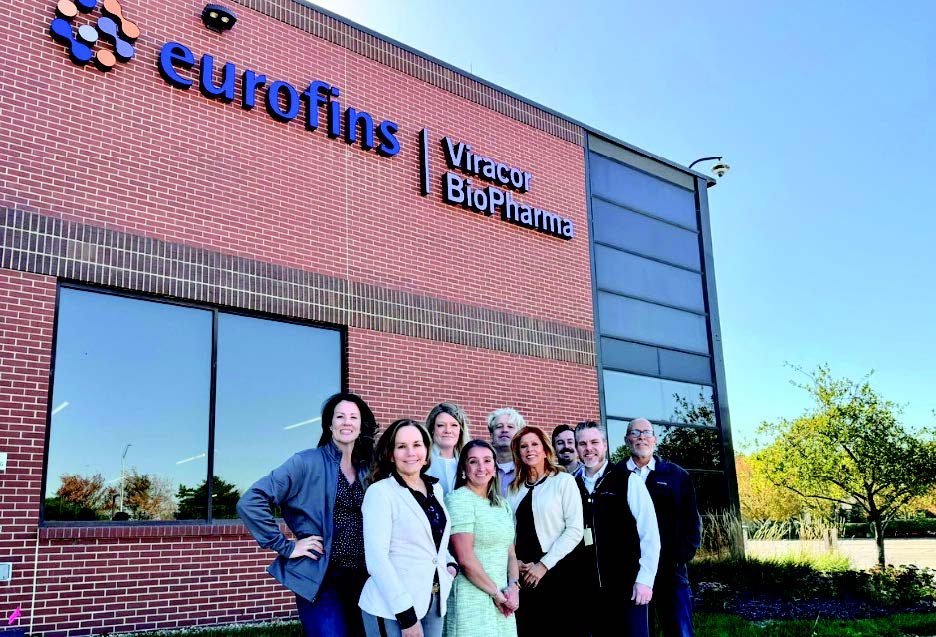
Eurofins Viracor BioPharma Services relocates to new state-of-the-art facility
Jennifer Absher, Director of Marketing, Eurofins Viracor BioPharma Services, jennifer.absher@vbp.eurofinsus.com
Eurofins Viracor BioPharma Services has officially moved into its new, purpose-built 96,000 ft2 facility in Lenexa, Kansas,US. This strategic expansion marks a major milestone in our continued growth and commitment to delivering advanced analytical and clinical trial solutions to the biopharmaceutical industry.
Previously co-located with Eurofins Viracor, the new facility allows each organisation to focus on its core mission — Viracor on Clinical Diagnostics and Eurofins Viracor BioPharma Services on BioPharma Services. The Kansas City region continues to offer strategic advantages, including access to top-tier scientific talent and a thriving life sciences ecosystem.
The new site expands capabilities in sequencing, precision medicine, cell-based assays, high-complexity flow cytometry, vaccine development, and biomarker analysis. It supports critical endpoints such as immunogenicity, neutralising antibodies, target engagement, and mechanism-of-action studies.
Designed for scalability and efficiency, the facility features advanced analytical platforms, integrated automation, and expanded biorepository capacity. It enhances support for custom assay development, GLP/GCLP-compliant validation, and clinical sample testing across all phases of drug development.
As part of the Eurofins Clinical Trial Solutions network, Eurofins Viracor BioPharma Services is uniquely positioned to deliver integrated services across bioanalysis, central laboratory, pathology, specialty testing, and clinical trial supplies — accelerating the development of life-enhancing therapies.
For more information, visit: www.eurofins-viracorbiopharma.com/new-facility-update-and-faq-s/