The story of Bulgarian farmer Venelin Delgyanski
By Ani Popova, PhD,
Agronomy Team Manager, Bulgaria
Across Europe, increasingly frequent drought periods are creating new challenges for nutrient management. When soil moisture is limited, nutrient movement through the soil and nutrient uptake by plant roots are restricted, even when sufficient nutrients are present in the soil. As a result, valuable nutrients such as phosphorus and mineral nitrogen may remain unused and accumulate in certain areas of the field.
These changing conditions highlight the growing importance of soil analysis. Understanding what is already available in the soil allows farmers to make informed fertilisation decisions, optimise input costs and manage nutrients more efficiently, particularly during dry seasons.
A good example comes from the farm of Venelin Delgyanski (Gand Agro) in Bulgaria. In autumn 2023, soil sampling and analysis were carried out on two fields scheduled for sunflower cultivation. The results revealed significant variability in phosphorus levels across the fields. Based on the soil analysis results, fertiliser recommendations were adjusted to reflect the actual nutrient status of the soil rather than relying solely on standard application rates.
The outcome was remarkable. Compared with conventional fertilisation practices, the total amount of phosphorus fertiliser required was reduced by approximately 80%, while nutrient supply for the crop remained adequate. Let’s look into it with more detail.
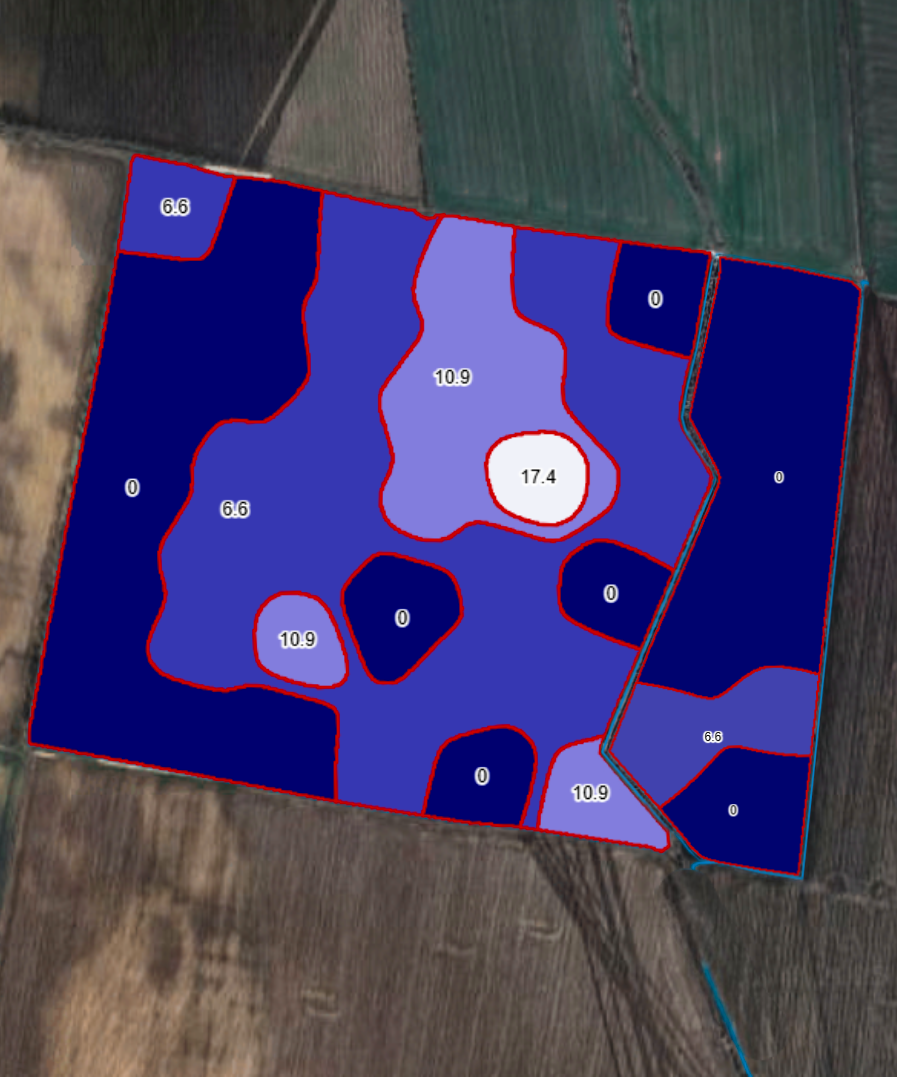
Fig 1: Variable-rate TSP application map based on soil phosphorus results. Application rates are shown in kg/decare; 10 decares equal 1 hectare.
Fertiliser use comparison
Standard fertilisation (TSP, kg for both fields): 26,160 kg
Agro Testing fertilisation (TSP, kg for both fields): 5,534 kg
TSP = Triple Superphosphate. For conventional fertilisation, an application rate of 200 kg/ha TSP was assumed.
During the sunflower growing season, additional monitoring was carried out. Samples were collected from both soil and plants in locations where a zero fertiliser rate had been applied as well as in fertilised zones. The results showed that:
Soil: Phosphorus reserves remained higher in the non-fertilised zones, confirming the initial results. In the fertilised zone, phosphorus levels increased only slightly and remained within the low range.
Plants: Plant-tissue phosphorus concentrations were comparable across the sampled zones, ranging from 0.35% to 0.37%. The results did not indicate a lower phosphorus concentration in plants from the zero-TSP zones.
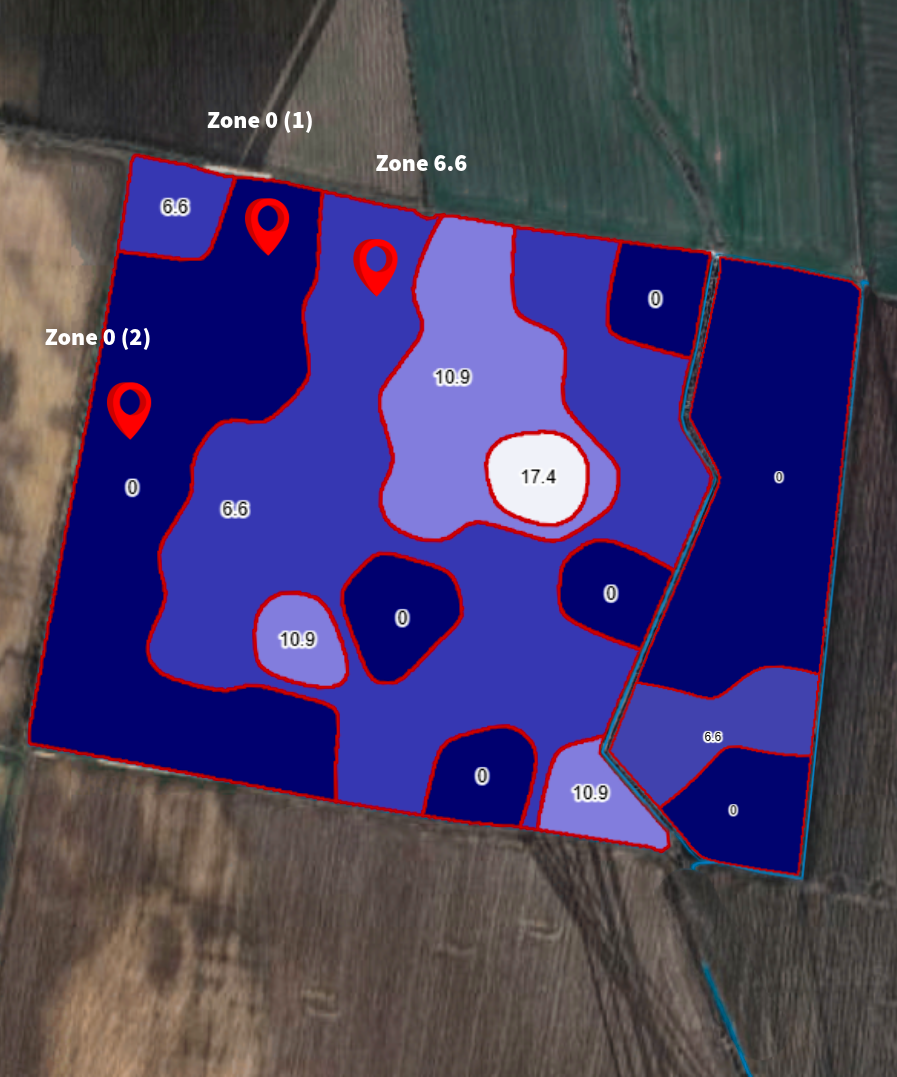
Fig 2: Locations of soil and sunflower tissue sampling in two zero-TSP zones and one fertilised zone.
Soil phosphorus levels
Sample (Field 1) - Soil phosphorus content (P₂O₅, mg/kg)
Zone 0 (1) 90.87
Zone 0 (2) 72.24
Zone 6.6 32.09
Phosphorus content in plant tissue (sunflower, beginning of bud formation)
Sample (Field 1) - Phosphorus content in plant tissue (%)
Zone 0 (1) - 0.35
Zone 0 (2) - 0.37
Zone 6.6 - 0.36
In the following season (2024-2025), variable rate fertilisation were extended to 1.000 ha. The trend observed during the first year continued, and additional savings were achieved compared to the farm's standard fertilisation practices.
Where soil phosphorus levels show substantial spatial variability, variable-rate fertilisation can provide a more efficient alternative to uniform application. It allows areas with high phosphorus reserves to receive little or no fertiliser, while zones with low reserves can receive application rates tailored to crop requirements.
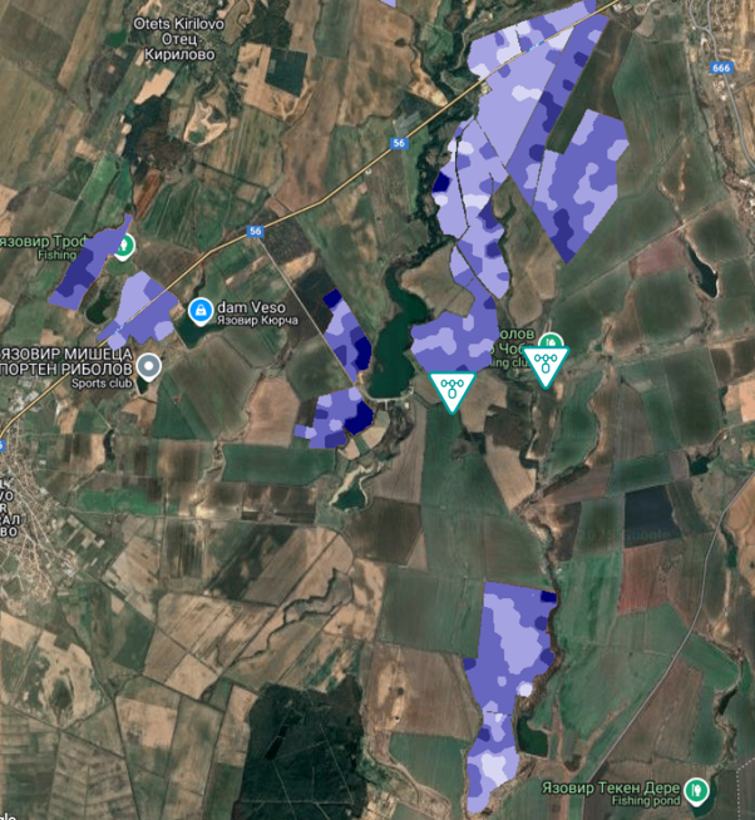
Fig. 3: Phosphorus variation within and among different fields.
The benefits of soil analysis extend beyond phosphorus management alone. In autumn crops, soil analyses revealed significant amounts of residual mineral nitrogen remaining in the soil as a result of the dry conditions during the previous season.
By identifying and accounting for this valuable nutrient resource, fertiliser recommendations could be adjusted to reflect the actual nitrogen supply already available to the crop. This enabled further optimisation of nitrogen fertiliser applications, delivering additional cost savings without compromising yield potential.
The result is a more efficient use of every fertiliser input, ensuring that investment decisions are driven by real soil data and translated directly into improved farm profitability.
Based on the experience gained over two seasons, Venelin Delgyanski has decided to include all of his farmland (about 6 000 ha) in the AgroBalance program. Regarding the service, he shares:
"The days of romantic farming ended about five years ago with climate change and, of course, the geopolitical situation in the Black Sea region. This led to a sharp decline in grain production revenues. As producers, we cannot influence these factors, but we can reorganise our operations to make them more profitable by optimising costs without compromising yields.
The soil analyses and recommendations provided by Eurofins Agro Testing not only optimised our fertiliser costs but also helped us become even more precise in what we do. We pay attention to every detail because achieving results requires precision in every process carried out in the field.
We have also stopped being shamans and fortune-tellers in the fields, working blindly. In our business, every lev, and from 2026 every euro, must be invested wisely. Decision-making becomes much easier when you know what is happening in the soil, because soil is the fundamental resource in our production."