Workplace noise
monitoring and modelling
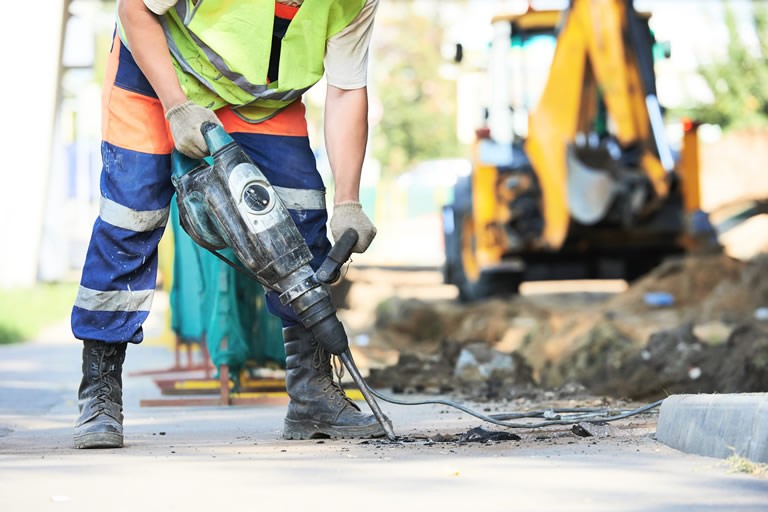
Measuring noise levels and workers' noise exposure is the most critical part of workplace noise control and hearing conservation programs.
What is a noise survey?
A noise survey involves taking noise (sound) measurements across an entire facility or area to identify noisy zones. Noise surveys provide valuable information that enables us to determine:
- Areas where employees may be exposed to noise levels exceeding permissible limits.
- Machinery and equipment generating harmful or excessive noise levels.
- Employees potentially exposed to noise levels beyond acceptable limits.
- Opportunities for noise control to reduce exposure.
- Variations in noise levels under different operating conditions.
- The impact of operational adjustments or changes on noise levels.
How do we measure noise?
Noise surveys are conducted in areas where noise exposure poses a potential hazard. "Noise level" refers to the intensity of the sound. The survey involves measuring sound levels at selected locations throughout the facility or area to pinpoint noisy zones. This is typically performed using a sound level meter (SLM). Measurements are taken at various appropriate locations within the area and marked on a layout sketch; the more measurements taken, the more accurate the survey. A noise map can be created by drawing lines on the sketch connecting points with equal sound levels.
Measuring noise levels and worker noise exposure is the most critical component of a workplace hearing conservation and noise control program. It helps identify work areas with noise issues, employees potentially exposed to noise levels that could cause hearing loss, and locations requiring additional noise measurements. This information also helps determine the appropriate noise control measures to be implemented.
Measuring employee noise exposure requires determining time-averaged sound levels. Noise exposure monitoring is often included as part of a comprehensive noise survey. The purpose of this monitoring is to determine a worker's 8-hour time-weighted average (TWA) noise level or the cumulative noise exposure during a shift (individual noise dose). It is also used to measure noise levels that fluctuate over time based on specific work tasks.
Workplace noise monitoring and modelling
Environmental Consultancy & Sustainability Services at Eurofins Environment Testing in Vietnam employs a wide range of methods that comply with internationally recognized quality systems, as well as relevant certifications and accreditations. Our highly trained staff possess years of experience and expertise in conducting rigorous measurement, sampling, and assessment procedures.
Contact Us
Would you like to learn more about our Environmental Consultancy & Sustainability Services, or do you need a tailored design solution? Contact us today to connect with our experts.
Reach us at
- Hotline: (+84) 28 7107 7879
- Email: VN01_Environment@eurofinsasia.com