Global Harmonization of PCR: An Initial Study with Six World Health Organization (WHO) Reference Strains
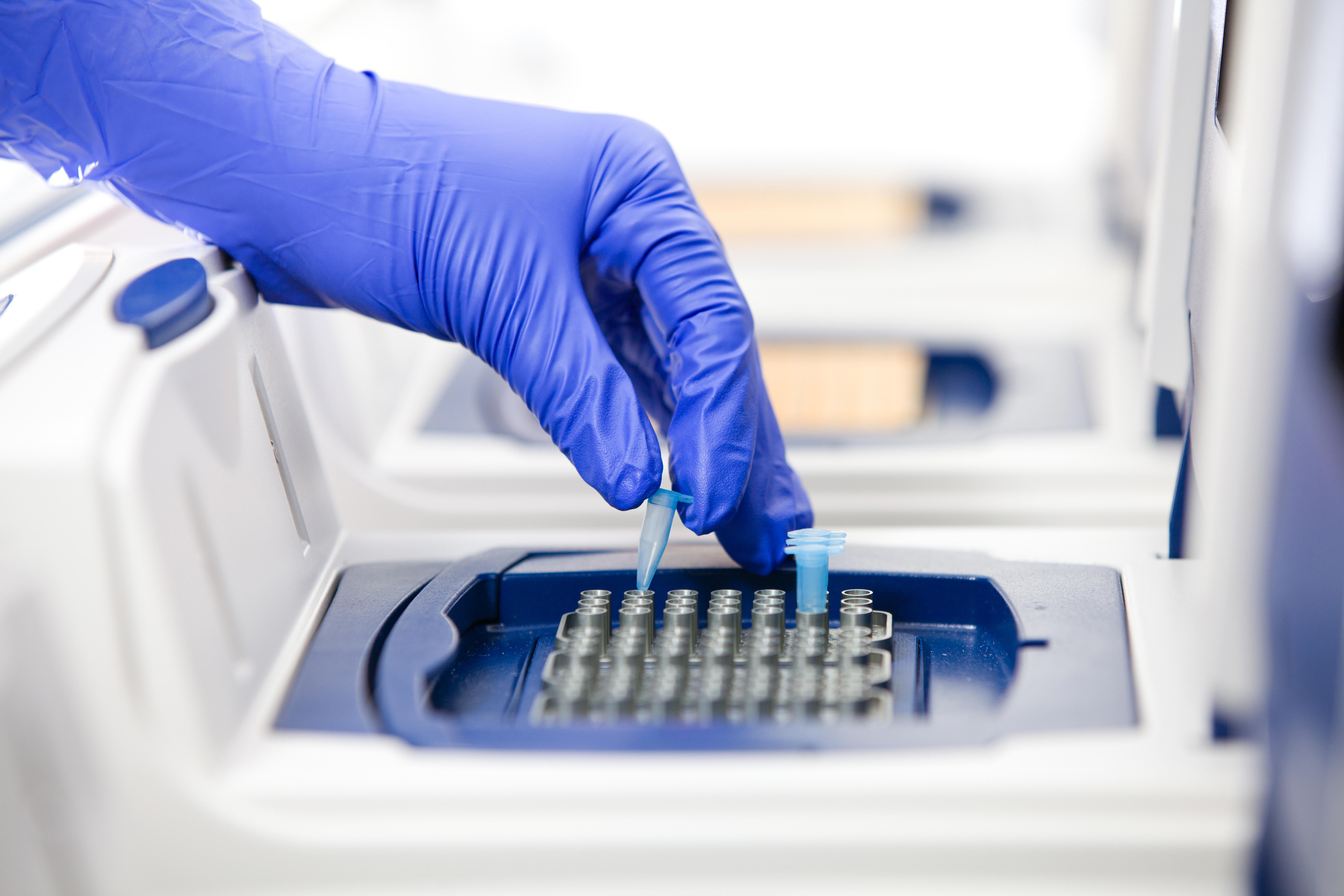
Standardizing PCR assays is essential for generating consistent, comparable clinical trial data.
This scientific presentation explores the use of World Health Organization (WHO) International Standards to improve harmonization of quantitative PCR assays across multiple viral targets and biological matrices. Learn how standardized acceptance criteria and conversion factors can reduce inter-laboratory variability and support more consistent PCR reporting.
Key topics include:
- The role of WHO International Standards in PCR assay harmonization
- Development of standardized acceptance criteria for converting laboratory-developed assays to WHO International Standards
- Evaluation of conversion factors across multiple viral targets and biological matrices
- Strategies to improve assay consistency, reduce inter-laboratory variability, and support standardized quantitative PCR reporting
As quantitative PCR continues to support cell and gene therapy, infectious disease, and other clinical research applications, assay harmonization is increasingly important. Learn how standardized PCR methodologies can improve data comparability, strengthen analytical confidence, and support reliable clinical trial outcomes.