Optimal farm management with soil, manure, compost, water, crop and forage testing to boost yields and sustainable profitability.
Accurate data on soil, crops, and feed, to enable better sourcing, traceability and sustainability decisions across the entire supply chain.
High-quality data on soil health, nutrients and crop performance to support smarter product development and targeted applications.
Detailed insights into soil quality and nutrient balance to help landscaping professionals and golf courses maintain healthy turf.
Reliable soil, crop and feed analyses with clear interpretation and practical advice to optimise yields, sustainability and profitability.
Supporting of seed producers with science-driven solutions that enhance breeding, production, and quality assurance.
Verified data on soil health, crop performance and nutrient flows to support finance, carbon and sustainability platforms.
Insights into soil and forage quality to support optimal pasture management, balanced nutrition and equine health.
Precise analyses and clear insights to optimise crop production, improve sustainability and strengthen cooperative advisory services.
Data-driven insights into soil, crop and nutrient conditions to support smarter, more precise and sustainable agricultural machinery.
Reliable soil, crop and nutrient data to support policy development, sustainable land use, infrastructure planning and research.
View in a different locale / language
Nitrate (NO₃⁻) is the primary form of nitrogen absorbed by crops. It is highly soluble and quickly taken up by plants, making it an essential nutrient for growth.
Nitrate plays a key role in crop nutrition and soil health. Fertilising with nitrate or ammonium not only boosts plant growth but also stimulates soil life, accelerating the breakdown of organic matter.
While nitrate is beneficial, it is prone to leaching during wet conditions and can volatilise in very wet weather. This makes timing and application critical for efficiency and environmental protection.
Nitrate levels are easy to determine and serve as a measure of fertiliser effectiveness. However, improper fertilisation—such as applying nitrogen too close to mowing—can lead to high nitrate fractions in silage.
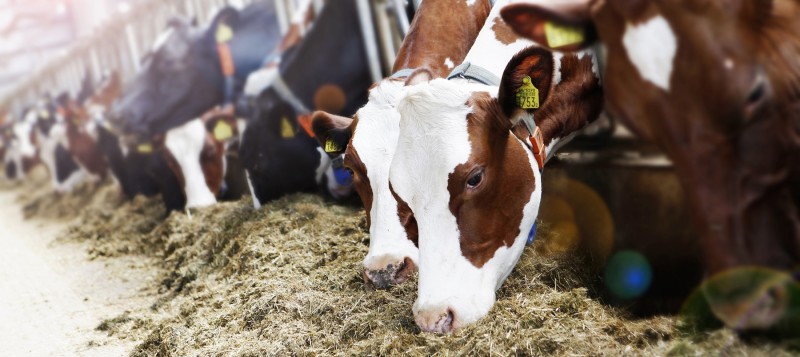
Excess nitrate in silage reduces palatability and can pose health risks to cows. High nitrate fractions often indicate poor timing of fertilisation and require careful management to maintain forage quality.