Optimal farm management with soil, manure, compost, water, crop and forage testing to boost yields and sustainable profitability.
Accurate data on soil, crops, and feed, to enable better sourcing, traceability and sustainability decisions across the entire supply chain.
High-quality data on soil health, nutrients and crop performance to support smarter product development and targeted applications.
Detailed insights into soil quality and nutrient balance to help landscaping professionals and golf courses maintain healthy turf.
Reliable soil, crop and feed analyses with clear interpretation and practical advice to optimise yields, sustainability and profitability.
Supporting of seed producers with science-driven solutions that enhance breeding, production, and quality assurance.
Verified data on soil health, crop performance and nutrient flows to support finance, carbon and sustainability platforms.
Insights into soil and forage quality to support optimal pasture management, balanced nutrition and equine health.
Precise analyses and clear insights to optimise crop production, improve sustainability and strengthen cooperative advisory services.
Data-driven insights into soil, crop and nutrient conditions to support smarter, more precise and sustainable agricultural machinery.
Reliable soil, crop and nutrient data to support policy development, sustainable land use, infrastructure planning and research.
View in a different locale / language
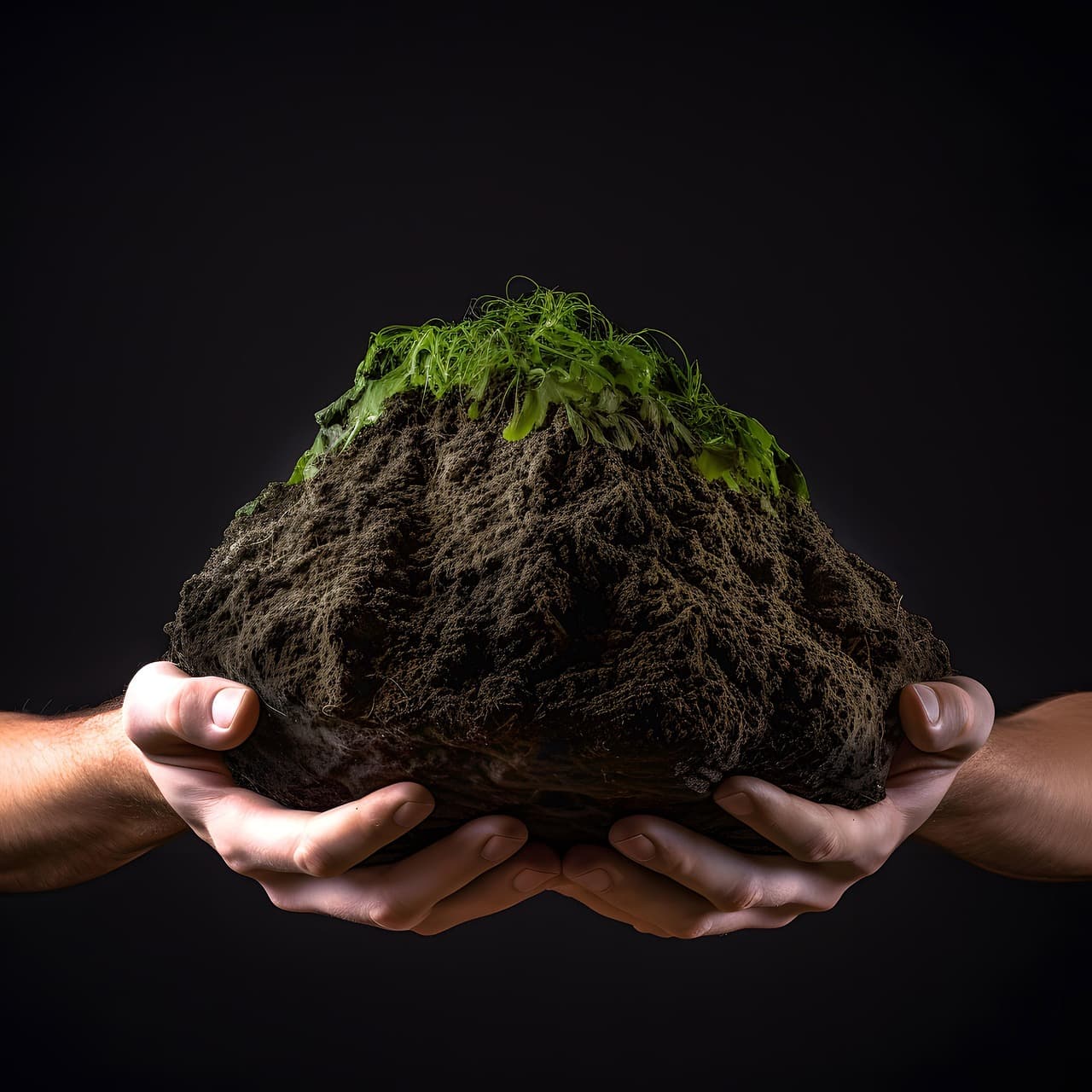
Crumbling indicates the ease with which the soil can be crumbled and depends on the mutual bonding of soil particles.
In heavy clay soil, crumbling can be so bad that the soil starts to resemble concrete. Crumbly soil can be worked well and it is easier to create a good seedbed. There are also fewer problems with hard clods or smearing soil.
The crumbling of a soil is determined by its clay content, pH and organic matter percentage. Heavy clay soils are less crumbly than sandy and loam soils. Increasing the organic matter content makes the soil rougher and improves crumbling.