Bulk density
Definition
The bulk density is the weight of a soil in a given volume. The bulk density is influenced by the composition of the soil material, organic matter content, and the degree of compaction.
Importance
- Soil structure and root growth
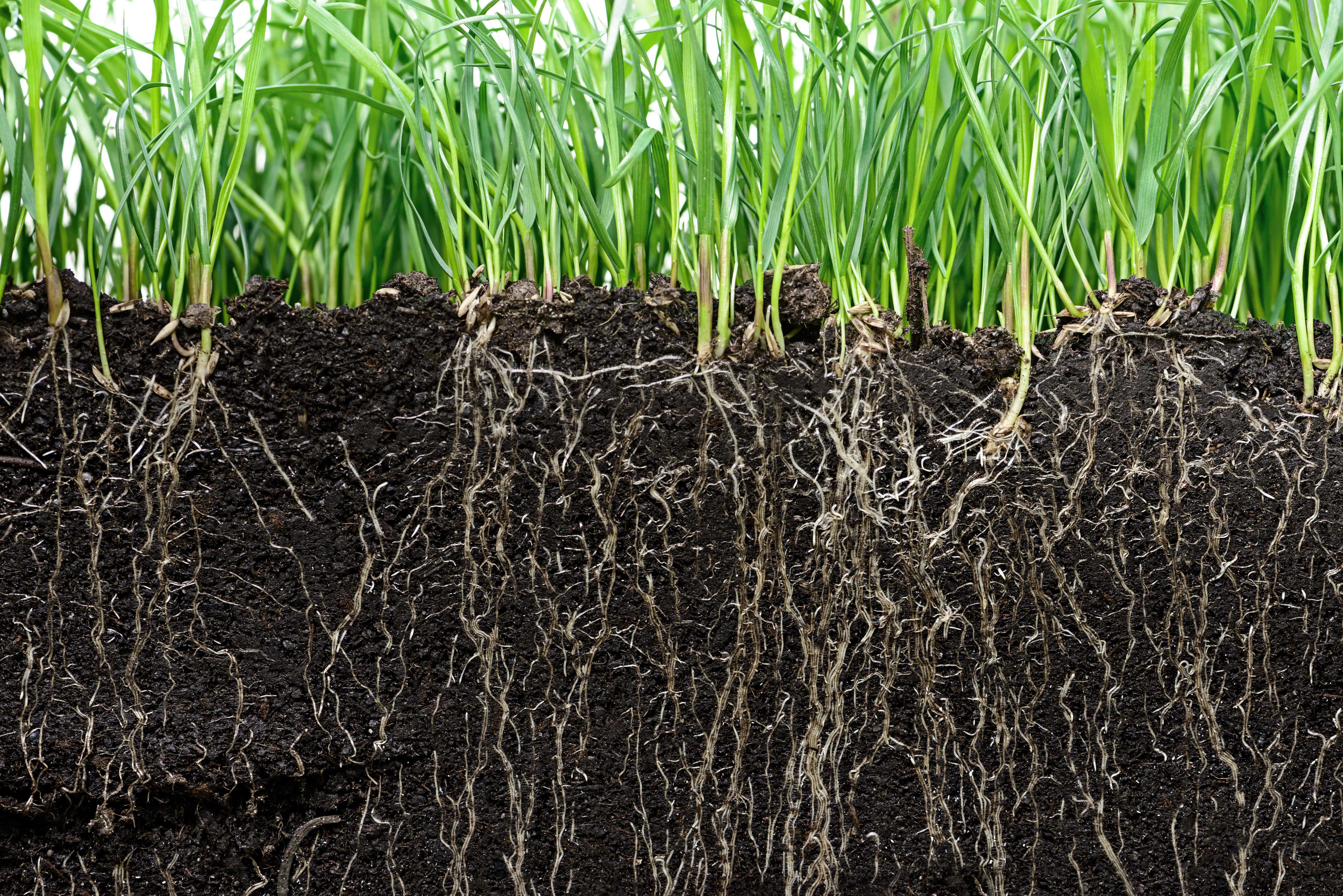
- High bulk density means soil particles are tightly packed, reducing pore space.
- This limits root penetration and can restrict plant growth.
- Water movement and retention
- Low bulk density soils (like sandy soils) allow water to drain quickly.
- High bulk density soils (like compacted clay) hold water poorly and can cause waterlogging.
- Air circulation
- Adequate pore space is essential for oxygen exchange in the root zone.
- High bulk density reduces aeration, which can harm plant roots and soil organisms.
- Indicator of Soil Compaction
- Bulk density is often used to assess soil compaction, which affects crop productivity and soil health.
- Nutrient availability
- Compacted soils with high bulk density can limit nutrient uptake because roots cannot spread effectively.