Optimal farm management with soil, manure, compost, water, crop and forage testing to boost yields and sustainable profitability.
Accurate data on soil, crops, and feed, to enable better sourcing, traceability and sustainability decisions across the entire supply chain.
High-quality data on soil health, nutrients and crop performance to support smarter product development and targeted applications.
Detailed insights into soil quality and nutrient balance to help landscaping professionals and golf courses maintain healthy turf.
Reliable soil, crop and feed analyses with clear interpretation and practical advice to optimise yields, sustainability and profitability.
Supporting of seed producers with science-driven solutions that enhance breeding, production, and quality assurance.
Verified data on soil health, crop performance and nutrient flows to support finance, carbon and sustainability platforms.
Insights into soil and forage quality to support optimal pasture management, balanced nutrition and equine health.
Precise analyses and clear insights to optimise crop production, improve sustainability and strengthen cooperative advisory services.
Data-driven insights into soil, crop and nutrient conditions to support smarter, more precise and sustainable agricultural machinery.
Reliable soil, crop and nutrient data to support policy development, sustainable land use, infrastructure planning and research.
View in a different locale / language
Acetic acid (like butyric acid and propionic acid) is a volatile fatty acid formed during the beneficial conservation process of grass and corn silage.
Low levels make grass silage vulnerable to overheating. Harvest crops high in sugar and not too dry to support bacterial conversion, as dry silage limits acetic acid formation.
Optimal acetic and propionic acid levels in grass silage are 20–35 g/kg DM. Too low causes heating; too high affects taste. At low pH, these acids inhibit fungi and bacteria, ensuring well-preserved silage.
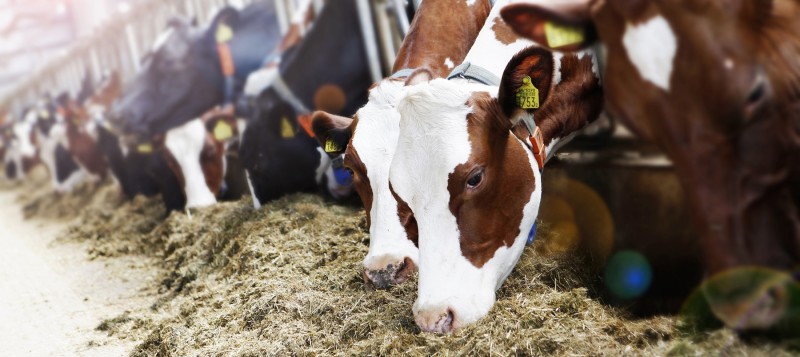
In the rumen, microbes form volatile fatty acids. Acetic acid from cellulose breakdown fuels energy and milk fat. Low structural rations (e.g., young grass) reduce acetic acid, lowering milk fat content. Cellulolytic bacteria are very sensitive to a low pH.