Indoor air
Eurofins Environment Testing Malaysia's indoor air quality (IAQ) testing identifies pollutants, allergens, and microbial contaminants to improve indoor environments from a health and comfort perspective and support regulatory compliance.
Built environment testing provides material testing, industrial hygiene (IH) monitoring and indoor air quality (IAQ) testing services to protect the health of people in built structures from a range of potentially hazardous environmental conditions. Eurofins Environment Testing Malaysia laboratories provide high quality, professional and reliable testing as well as contaminant collection media to promote safety and health in the built environment.
Eurofins Environment Testing’s comprehensive range of built environment testing services is tailored to support safety and health for day-to-day workplace use, as well as to builders, demolition contractors and workplace safety specialists.
Eurofins Environment Testing Malaysia's indoor air quality (IAQ) testing identifies pollutants, allergens, and microbial contaminants to improve indoor environments from a health and comfort perspective and support regulatory compliance.

Indoor air quality (IAQ) directly affects the health, comfort, and productivity of building occupants — whether in homes, offices, or industrial spaces. Poor IAQ can cause symptoms like eye and throat irritation, headaches, and fatigue, and contribute to long-term respiratory issues, absenteeism, and reduced productivity.
Eurofins Environment Testing Malaysia provides comprehensive IAQ testing and monitoring to help businesses maintain a healthy environment, stay compliant with regulatory standards, and protect their people.
Our key IAQ services
Under the Occupational Safety and Health Act 1994 (Act 514), employers and building occupiers have a duty to provide a safe environment for employees and occupants. Our testing follows the Industry Code of Practice on Indoor Air Quality, which sets standards for:

Eurofins Environment Testing Malaysia offers CHRA services to identify and evaluate health risks related to hazardous chemicals in the workplace , helping employers implement the right controls and comply with USECHH Regulations 2000.
Chemical Health Risk Assessment (CHRA)
The Occupational Safety and Health (Use and Standards of Exposure of Chemicals Hazardous to Health) Regulations 2000 (USECHH Regulations) require employers at workplaces where hazardous chemicals are used to conduct a Chemical Health Risk Assessment (CHRA). This assessment supports employers in deciding on appropriate control measures, employee induction and training, as well as monitoring and health surveillance activities needed to protect employees exposed to hazardous chemicals.
A CHRA aims to:
Eurofins Environment Testing Malaysia provides chemical exposure monitoring to measure airborne chemical concentrations in the workplace, helping employers assess health risks and maintain regulatory compliance
Workplace air can carry more than what the eye sees — vapours, fumes, dust, and mists from everyday industrial processes can silently affect employee health over time. Chemical exposure monitoring (CEM) measures exactly how much of these hazardous substances employees are exposed to, so employers can act before it becomes a health risk.
Under the Occupational Safety and Health (Use and Standards of Exposure of Chemicals Hazardous to Health) Regulations 2000 (USECHH Regulations), employers must monitor employee exposure to hazardous chemicals using an approved method of monitoring and analysis. Exposure levels are assessed against the Permissible Exposure Limits set out in Schedule I and Schedule II of the USECHH Regulations. Monitoring must be carried out by a hygiene technician registered with DOSH Malaysia, and where employees are exposed to chemicals listed under Schedule II, monitoring must be repeated at intervals of not more than six months.
Why chemical exposure monitoring matters:
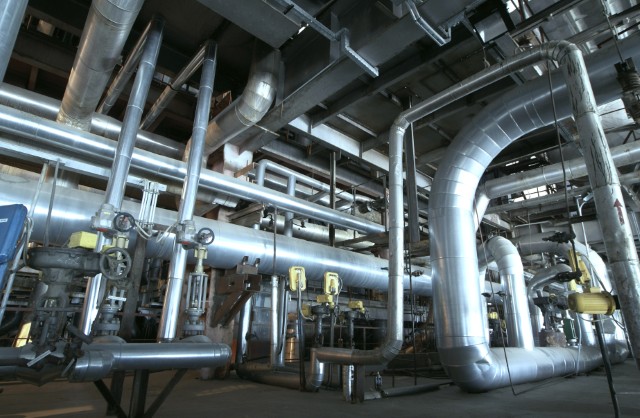
Eurofins Environment Testing Malaysia conducts LEV inspections to evaluate the performance of ventilation systems in removing airborne contaminants, ensuring safe air quality in the workplace.
Not all workplace hazards are visible — dust, fume, vapour, and gas released during industrial processes can linger in the air long after the work is done. A Local Exhaust Ventilation (LEV) system is the engineering control designed to capture these contaminants right at the source, before workers ever breathe them in.
Installing an LEV system isn't enough on its own — it needs to keep performing as designed. LEV systems must be tested and examined at least once every 12 months, or more frequently if specified by the design engineer, to confirm the system is still capturing and removing contaminants effectively. Inspection is also required when a new system is first commissioned, to establish baseline performance data that future testing will be compared against — as outlined in DOSH's Guidelines on Occupational Safety and Health for Design, Inspection, Testing and Examination of Local Exhaust Ventilation Systems.
Our LEV inspection scope covers:
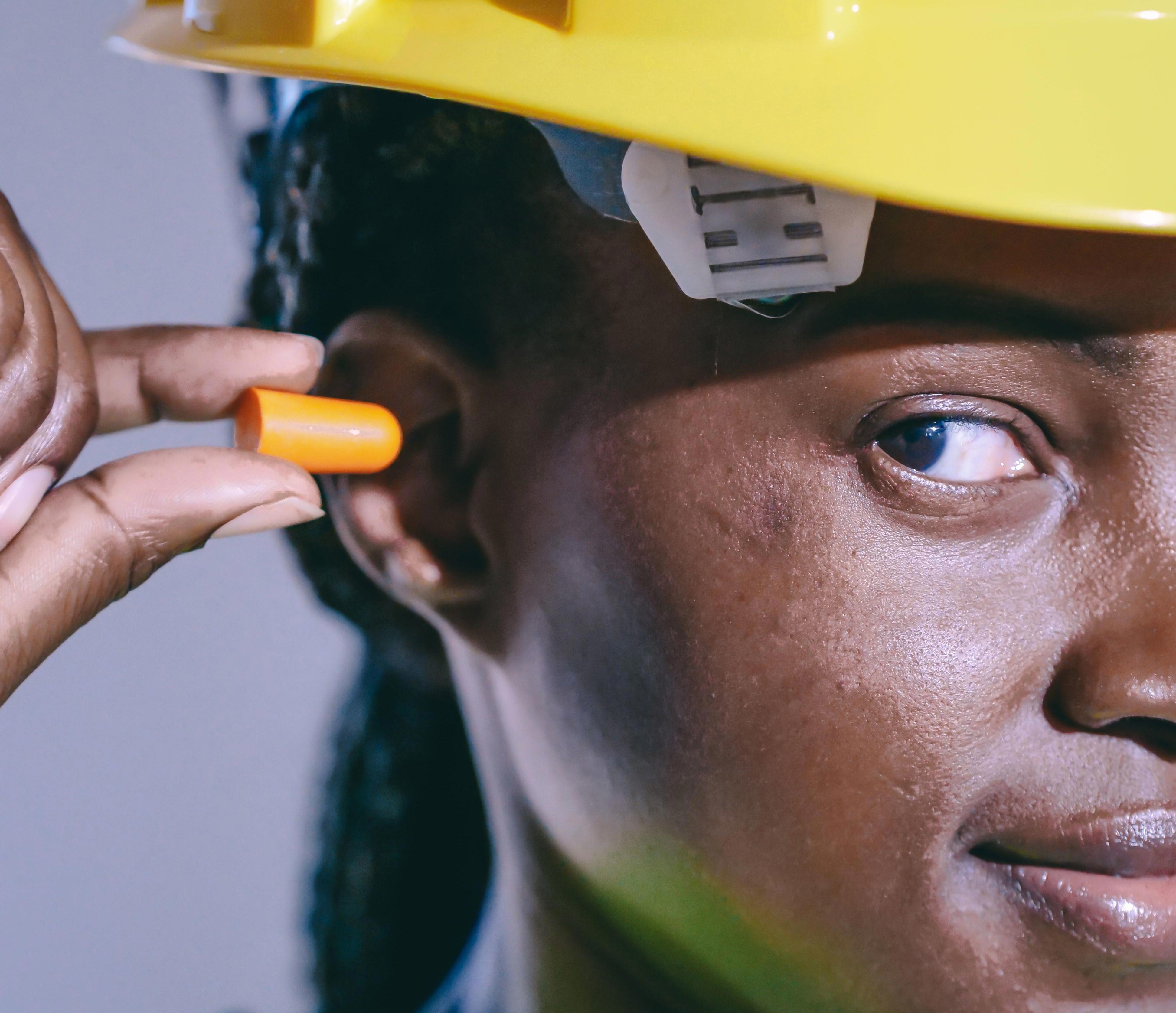
Eurofins Environment Testing Malaysia provides noise risk assessments to evaluate workers' exposure to workplace noise levels, helping identify hearing damage risks and ensure DOSH compliance.
Hearing loss from noise doesn't happen in one dramatic moment — it builds up quietly, exposure after exposure, until the damage is permanent. Occupational hearing loss, including acoustic trauma and noise-related hearing disorders, is one of the most common and most preventable workplace injuries worldwide, and excessive workplace noise remains a leading avoidable cause of permanent hearing impairment globally.
To help workplaces identify and manage noise-related risks, the Eurofins network of companies in Malaysia carries out Noise Risk Assessment (NRA) with in-house NRA competence, covering:

Eurofins Environment Testing Malaysia offers audiometric testing to track employee hearing health over time and detect early signs of noise-induced hearing loss, helping employers meet DOSH's Noise Exposure Regulations 2019 requirements.
Hearing doesn't recover once it's lost to noise exposure. Audiometric testing provides employers with a clear, measurable way to track employee hearing health over time.
A proper audiometric testing programme goes beyond a one-off test. It includes a baseline audiogram, annual follow-up audiograms, employee education on hearing protection, and clear follow-up procedures whenever results show a change. Under the Occupational Safety and Health (Noise Exposure) Regulations 2019, employers must provide audiometric testing at no cost to any employee exposed to noise at or above the 85 dB action level, measured as an 8-hour time-weighted average. Where a noise risk assessment confirms an employee's exposure exceeds the regulated limit, annual audiometric testing becomes mandatory.
Eurofins Environment Testing Malaysia operates a DOSH-approved mobile audiometric testing centre, bringing certified hearing testing directly to the workplace for greater convenience and compliance.
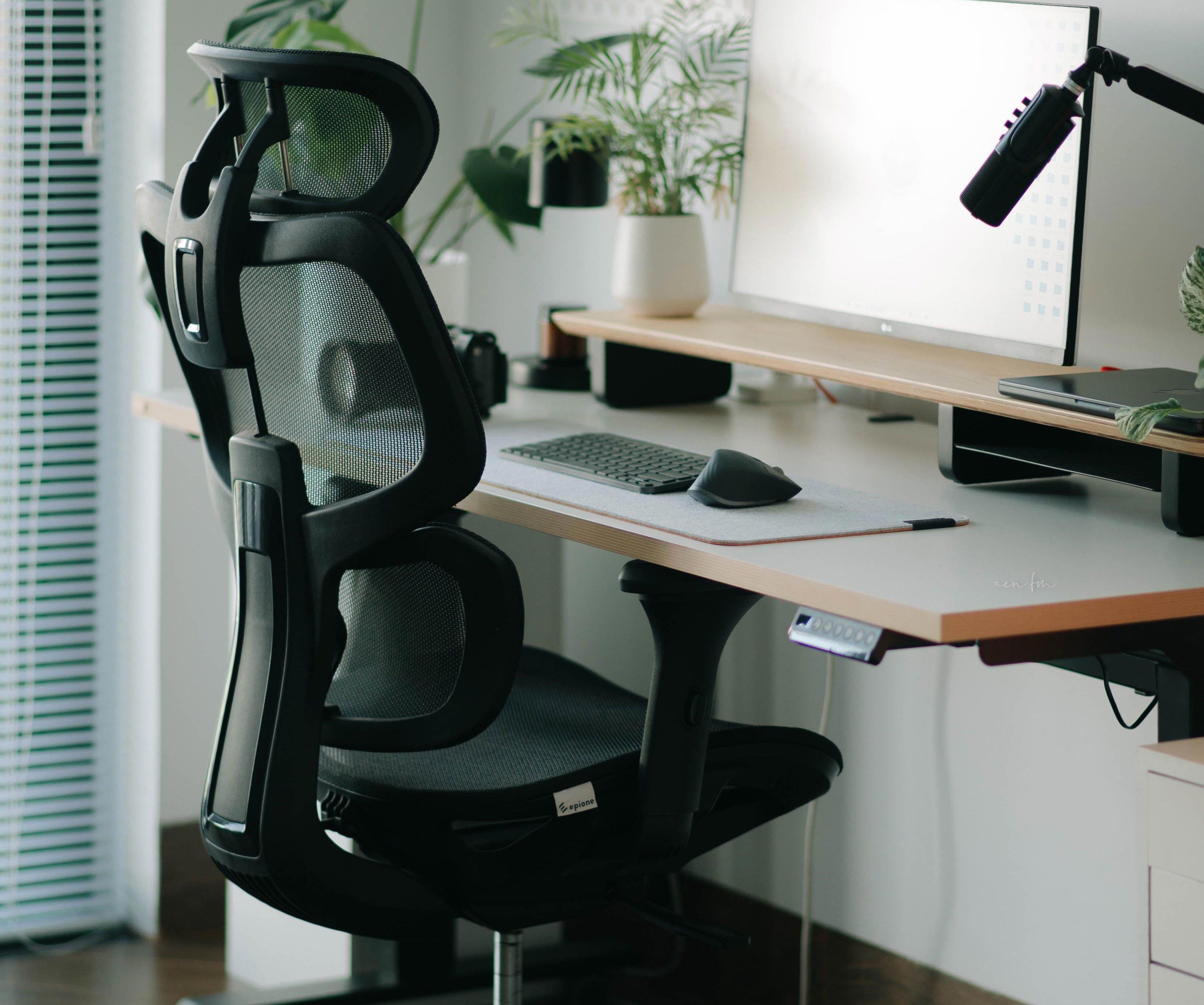
Eurofins Environment Testing Malaysia offers ergonomic assessments to evaluate workstation design and work processes, helping employers reduce musculoskeletal injury risk and improve overall workplace comfort and safety.
A workstation that looks safe on the surface can still be quietly causing strain — a chair set too low, a monitor positioned awkwardly, a repetitive reach that adds up over months. Ergonomic assessment evaluates how well a job actually fits the worker, examining tasks, equipment, and the work environment to spot these hazards before they turn into injury.
The assessment takes a close look at how the job is actually performed — posture, tool and equipment use, force, repetition, and other physical demands involved in the task. This usually includes observing the worker completing their tasks, reviewing the work environment and conditions, and checking any relevant medical or injury records.
From there, the assessor recommends practical improvements to reduce the risk of musculoskeletal disorders (MSDs) — this could mean adjusting workstation setup, modifying tools, introducing safer work practices through training, or recommending personal protective equipment where needed.
Ergonomic assessments can be carried out by occupational therapists, ergonomists, or other qualified health and safety professionals, and are typically performed periodically to keep the workplace safe and ergonomic as conditions and tasks evolve.

Eurofins Environment Testing Malaysia offers HRDF-registered OSH Coordinator Training, equipping participants with workplace hazard knowledge and practical skills to build a safer, more compliant workplace.
An OSH Coordinator is only as effective as the training behind them. Eurofins Malaysia's HRDF-registered OSH Coordinator Training equips coordinators with the knowledge and skills to identify, assess, and manage workplace hazards — covering safety protocols, legal requirements, and hazard control measures needed to implement effective safety strategies across the organisation.
Under the Occupational Safety and Health Act 1994 (Act 514), employers carry legislative responsibility for the safety, health, and welfare of their workforce. This training helps organisations meet that responsibility by building in-house awareness and capability to prevent occupational injuries and diseases, particularly around chemical safety — where properly trained employees can recognise hazards, apply the right controls, and protect both themselves and company assets from unwanted incidents. Well-prepared coordinators also form a critical part of a company's chemical spill emergency response team.
As an HRDF Registered Training Provider, Eurofins Malaysia's training is claimable by HRDF-registered employers. Our trainers are recognised, qualified professionals with in-depth knowledge of workplace hazards, their associated controls, and how to effectively pass that knowledge on to participants.
Participants will be able to: