Optimal farm management with soil, manure, compost, water, crop and forage testing to boost yields and sustainable profitability.
Accurate data on soil, crops, and feed, to enable better sourcing, traceability, and sustainability decisions across the entire supply chain.
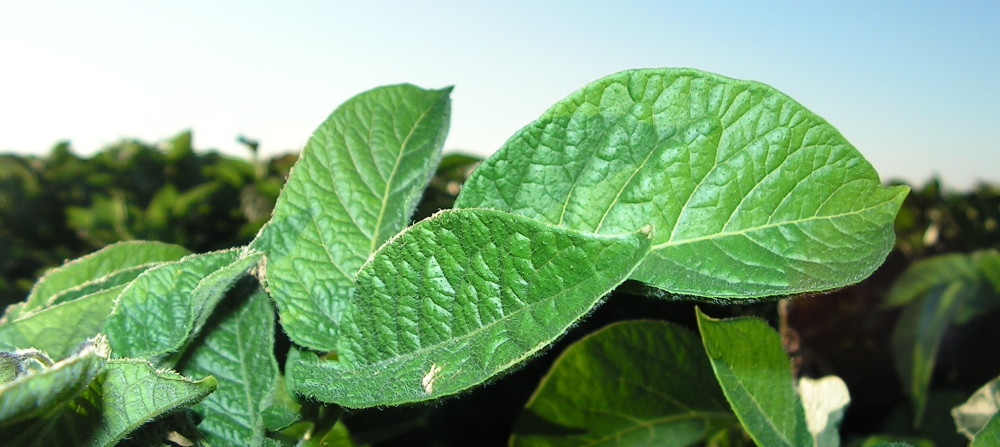
High-quality data on soil health, nutrient levels, and crop performance -to enable smarter product development, targeted application, and sustainable innovation.
Detailed insights into soil quality and nutrient balance, helping landscaping professionals and golf courses maintain healthy turf, optimise inputs, and support sustainable green space management.
For reliable soil, crop, and feed analyses, clear data interpretation, and practical advice to optimise yields, sustainability, and farm profitability.
Supporting of seed producers with science-driven solutions that enhance breeding, production, and quality assurance.
Verified data on soil health, crop performance, and nutrient flows - supporting finance, carbon, and sustainability platforms with traceable insights for ESG reporting, carbon credits, and green investments.
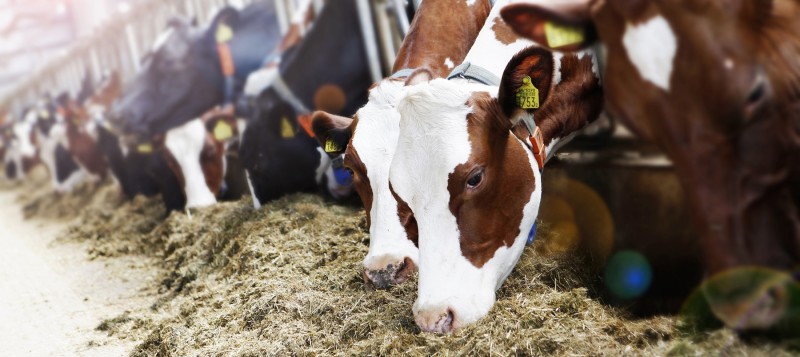
Insights into soil and forage quality, helping horse keepers ensure optimal pasture management, balanced nutrition, and a healthy environment for horses’ wellbeing and performance.
Support with precise analyses and clear insights to help optimise crop production, improve sustainability, and strengthen advisory services to members of the cooperatives.
Data-driven insights into soil, crop, and nutrient conditions, enabling agricultural machinery manufacturers to develop smarter, more precise equipment that enhances efficiency, supports sustainability, and boosts performance.
Reliable data on soil, crops, and nutrients - supporting policy development, sustainable land use, infrastructure planning, and scientific research with actionable, traceable insights.
View in a different locale / language
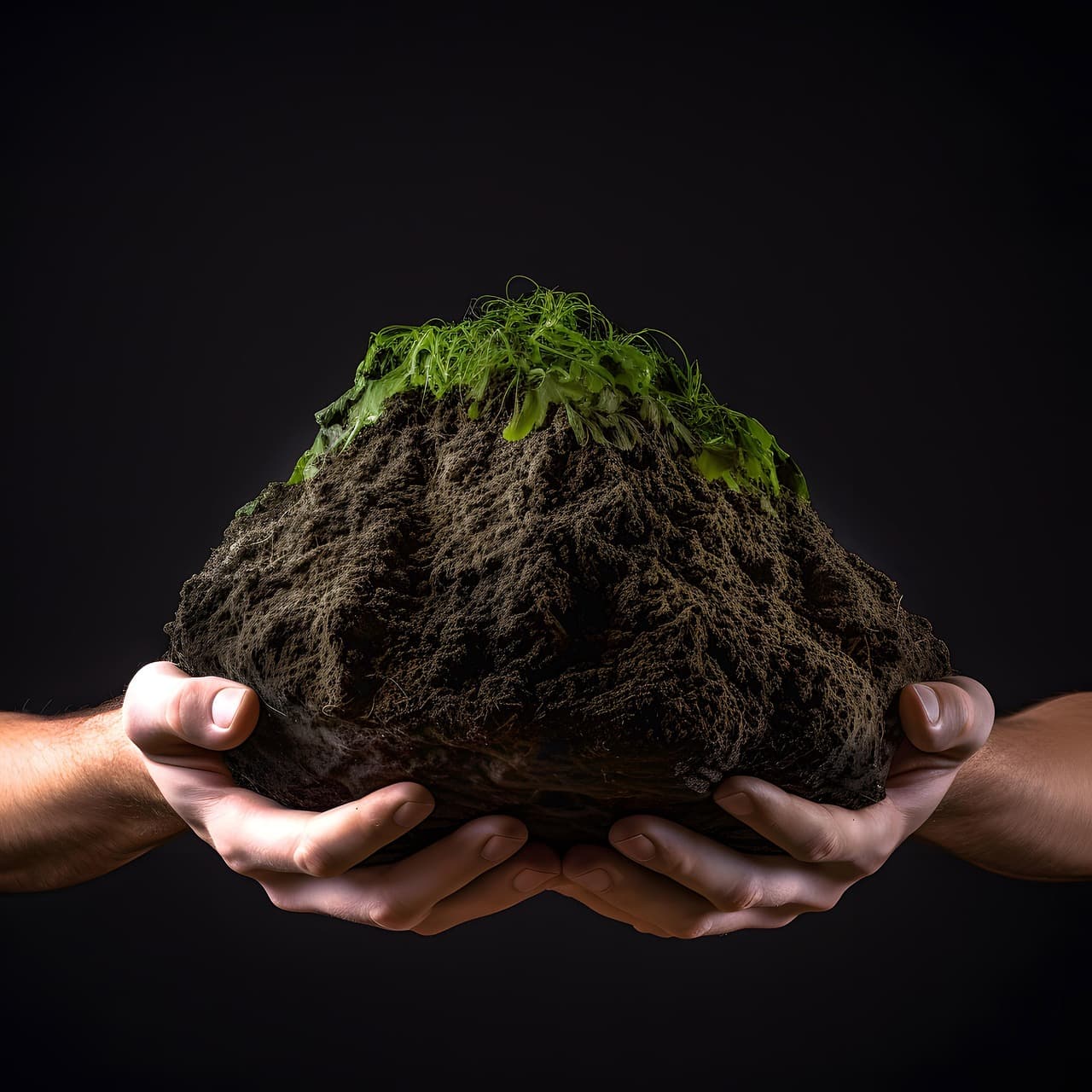
Soil Organic Matter (SOM) is the collective term for all (decomposed) biomass in the soil that originates from micro-organisms, soil and plant material. SOM consists of carbon (C), oxygen (O), hydrogen (H), nitrogen (N), phosphate (P) and sulphur (S).
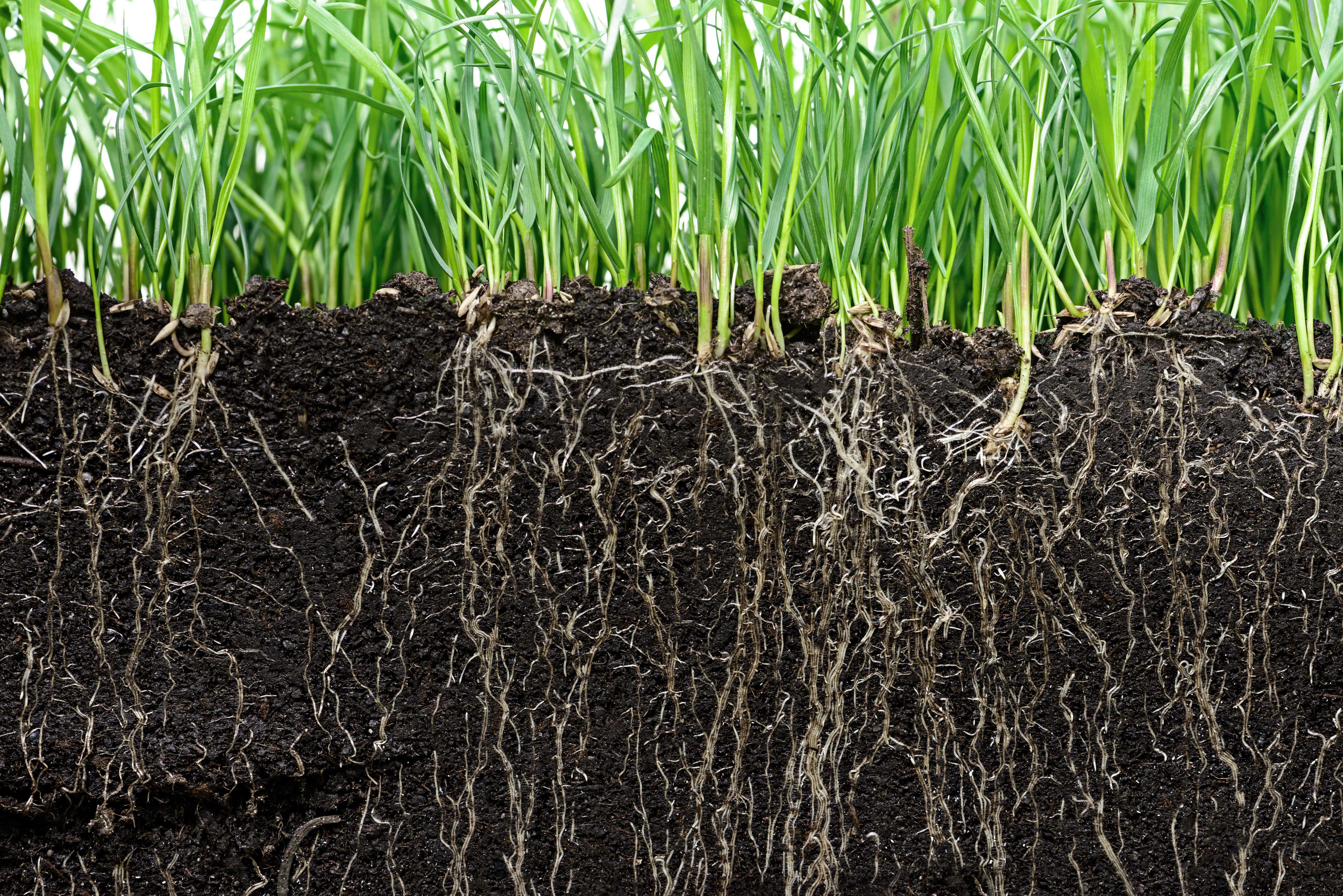
Organic matter has many important functions in the soil and is therefore one of the most important indicators of soil health. Organic matter is food for soil life and an engine of all soil functionality.
Organic matter enters the soil through means such as the supply of crop residues (leaves, stems and roots), animal manure, green manuring and compost. Bacteria, fungi and other soil organisms break it down until only indigestible residues remain.
This decomposition process occurs in several steps involving all organisms of the soil food web. Decomposition is rapid at first and then slows down. It can take decades for freshly applied material to be fully converted to stable organic matter.
The percentage of Soil Organic Carbon (SOC) in SOM can range from 45-60%. The more SOC in the SOM, the less nitrogen and sulphur present. More SOC in SOM is an indicator of stability. The organic matter is then less easily broken down by soil life, and therefore there is also less decomposition.