Organic matter
Definition
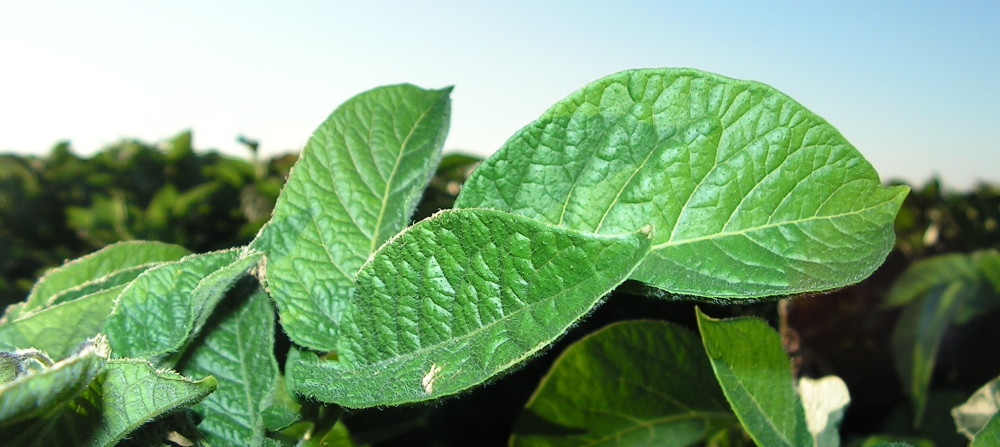
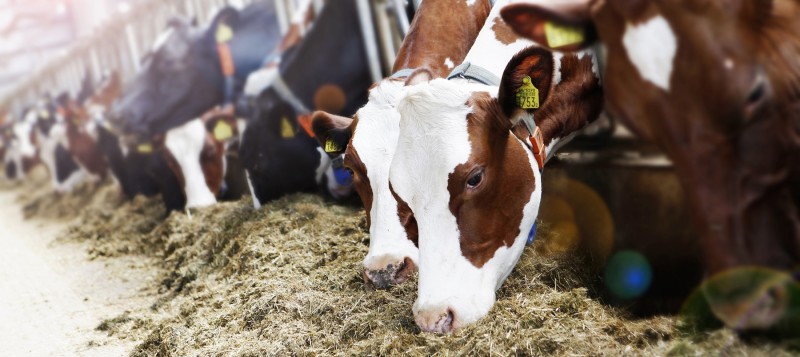
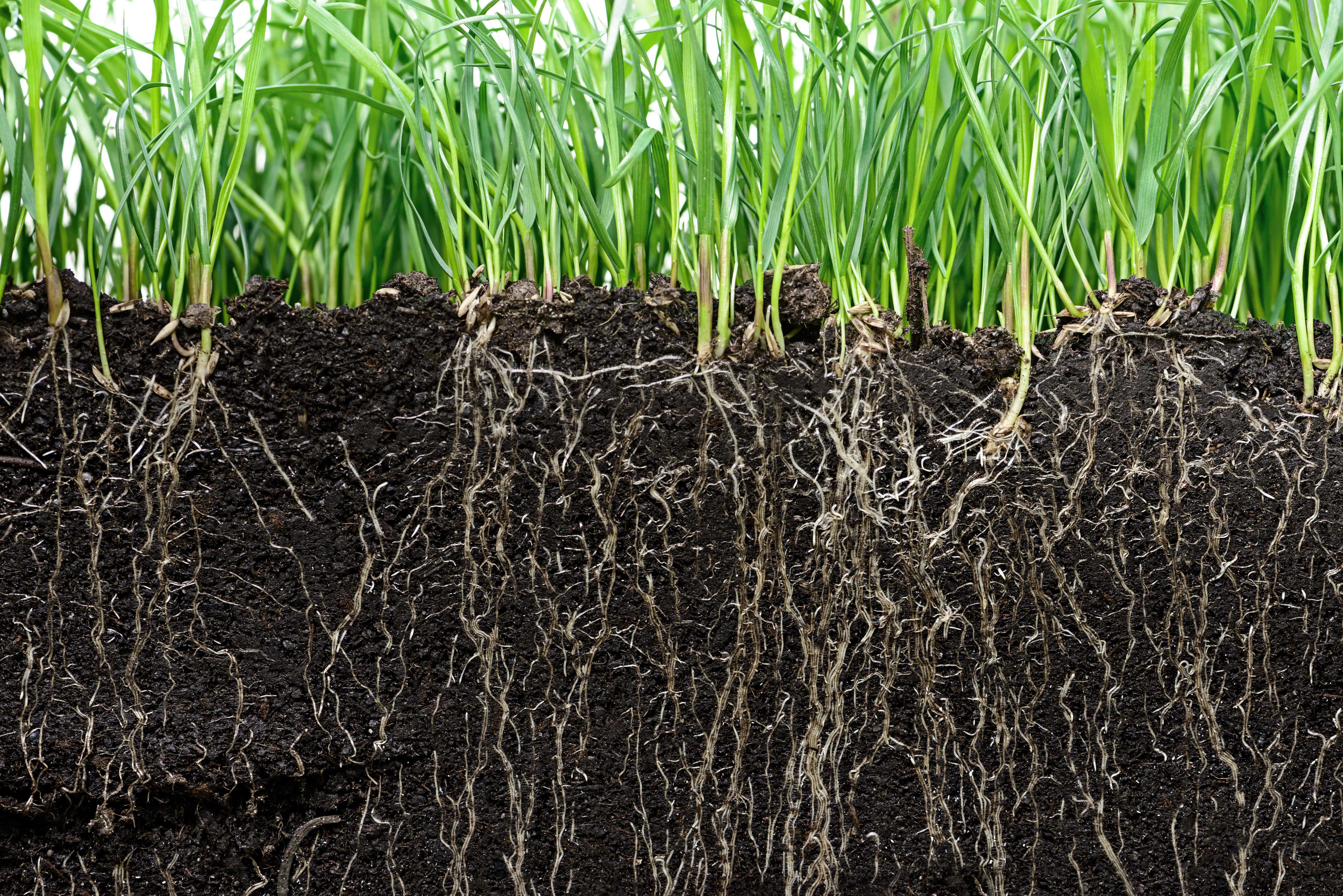
Organic matter in soil consists primarily of plant residues and, to a lesser extent, animal residues or excretions from soil organisms. These materials undergo decomposition and transformation, forming a vital component of healthy soil.
Importance
The amount of organic matter in the soil influences a wide range of physical and chemical properties:
- Workability and Structure: Organic matter improves soil aggregation, making it easier to cultivate.
- Moisture Retention: It enhances the soil’s ability to hold water, reducing drought stress.
- Nutrient Supply: Organic matter acts as a reservoir for plant nutrients and gradually releases them during the growing season.
A key nutrient linked to organic matter is nitrogen. Soils with high organic matter content can release significant amounts of nitrogen through mineralisation. Conversely, soils with low organic matter levels typically release less nitrogen. This relationship makes organic matter critical for crop productivity.
Monitoring organic matter
Because organic matter affects so many soil properties, it is essential to monitor its development over time. Maintaining or improving organic matter levels helps sustain soil fertility and structure.
Factors influencing decomposition
The rate at which organic matter decomposes depends on several factors:
- Soil Type: For example, degradation on dune sand can be six times higher than on acidic peaty soils.
- Moisture Balance: Poor drainage slows decomposition, while well-drained soils promote it.
- Manure History: High applications of manure in the past introduce young organic matter, which breaks down quickly.
In terms of advice, organic matter plays a role in liming and calculating the K number.