DVE
Definition
DVE (Darm Verteerbaar Eiwit) is the measure of the amount of protein that is available and digestible in the small intestine.
This protein originates from two sources:
- Microbial protein produced in the rumen
- Rumen-protected feed protein that bypasses ruminal degradation
Rumen protected protein
Rumen-protected feed protein is the fraction of feed protein that is not broken down in the rumen, but passes the rumen as intact protein and is subsequently digested in the small intestine.
DVE is one of the most important parameters in feed evaluation.
Link to milk production
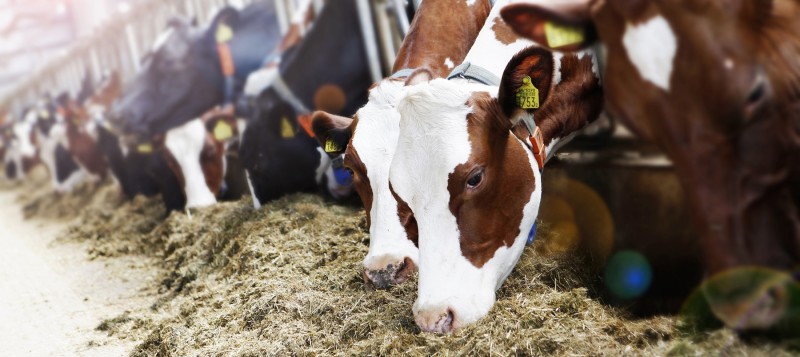
There is a direct relationship between DVE, milk yield and milk protein production.
A deficiency of DVE in the ration directly limits milk production. Feeding an excess of DVE may stimulate milk production, but not in all situations.
Factors influencing DVE
The DVE content of feed is strongly related to:
- Plant characteristics
- Fertilisation methods
- Ensiling methods
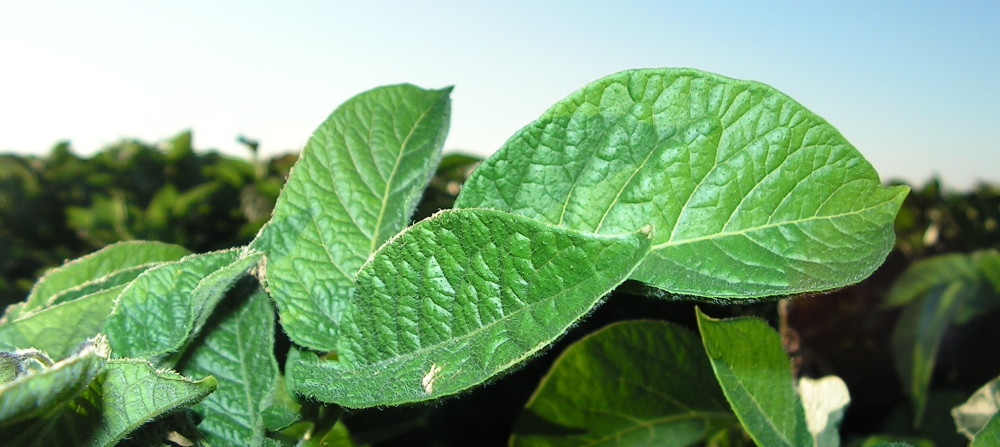
Protein-rich plants such as grass and lucerne naturally have higher DVE levels compared with corn silage or other cereal silages.
Drier silage often contains higher DVE levels, mainly because protein resistance increases. In addition, dry silage often supplies more energy to rumen bacteria, enabling greater microbial protein production. Less sugar is converted into acids during preservation, leaving more sugars available for microbial protein synthesis.
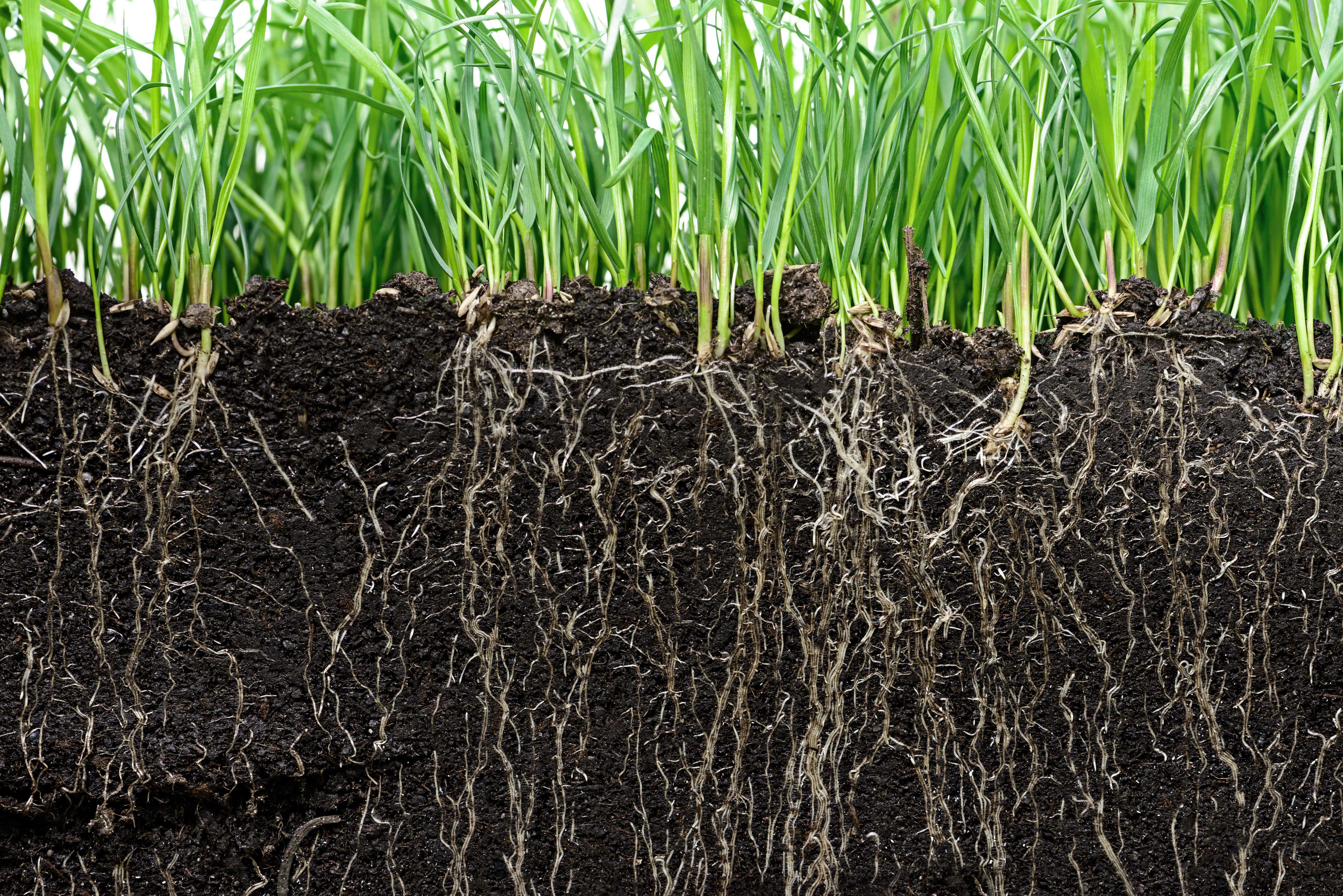
A grass sward in good condition can also contribute to a higher DVE content in roughage. Well-managed swards with few weeds generally show better nitrogen utilisation.
DVE+ and OEB+
Within the DVE/OEB 2007 system of CVB, calculation rules are defined for parameters such as soluble crude protein, NDF digestibility and lactic acid.
Eurofins Agro is able to measure these parameters directly, replacing estimation formulas with direct analysis. Based on these measurements, protein values are calculated according to the DVE/OEB 2007 system.
As a result of this more accurate determination, DVE+ and OEB+ are reported.