Soil Crop Monitor
Understand, monitor and improve crop and soil health
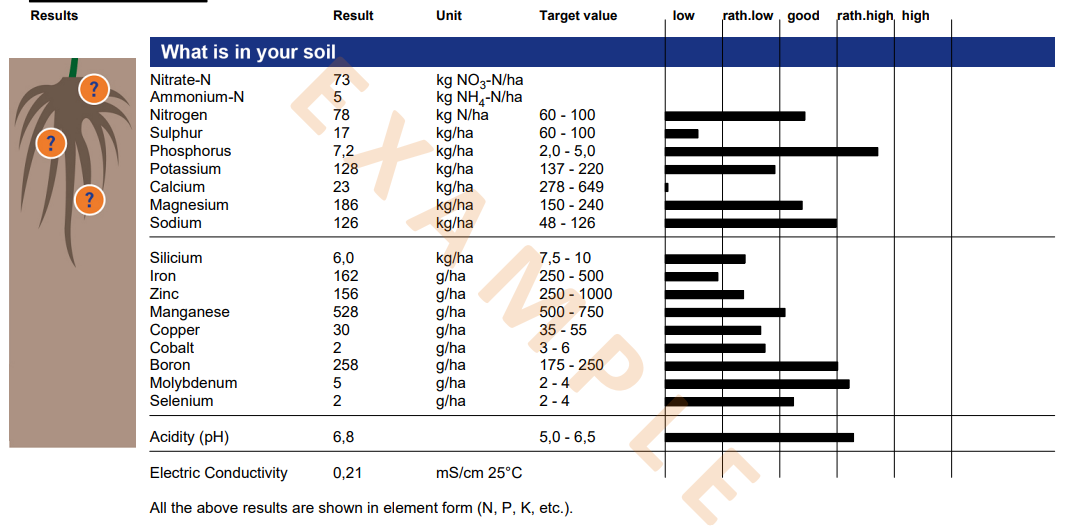
Soil Crop Monitor
Temperatures and rainfall differ each year. This has an effect on crop growth and the uptake of nutrients. To make sure that exactly the right amount of nutrients are available, checking the soil and crop is indispensable.
Fertile soil is a basic requirement for optimum yield and quality. Soil analysis gives you a clearer picture of the soil, enabling you to apply fertilisers in a targeted way before planting and to optimise tillage.
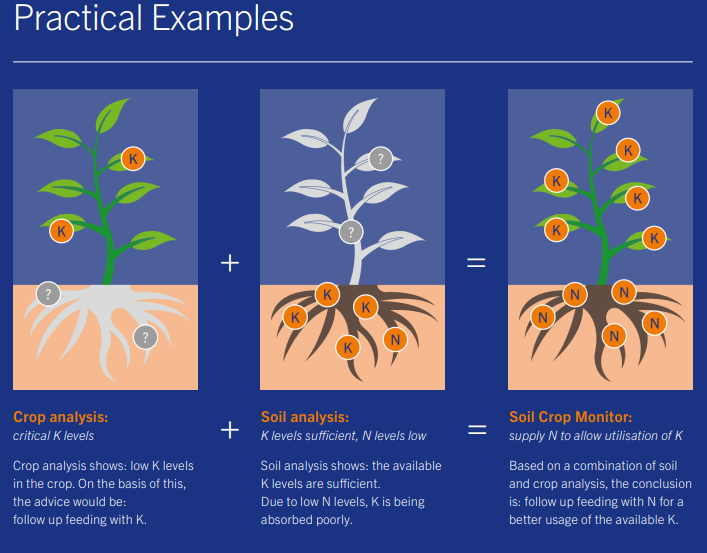
The analysis is made up of two parts
Soil analysis
This test is a quick soil test that analyses the amount of readily available nutrients. These are the nutrients dissolved in the soil moisture to which the crop has direct access. This allows adjustments to be made during the cultivation.
Crop analysis
A deficiency in one or more elements can often have serious consequences for the growth and development of the crop. The uptake of plant nutrients depends on many different factors. pH and EC are not the only important variables – the climate is also an important factor.
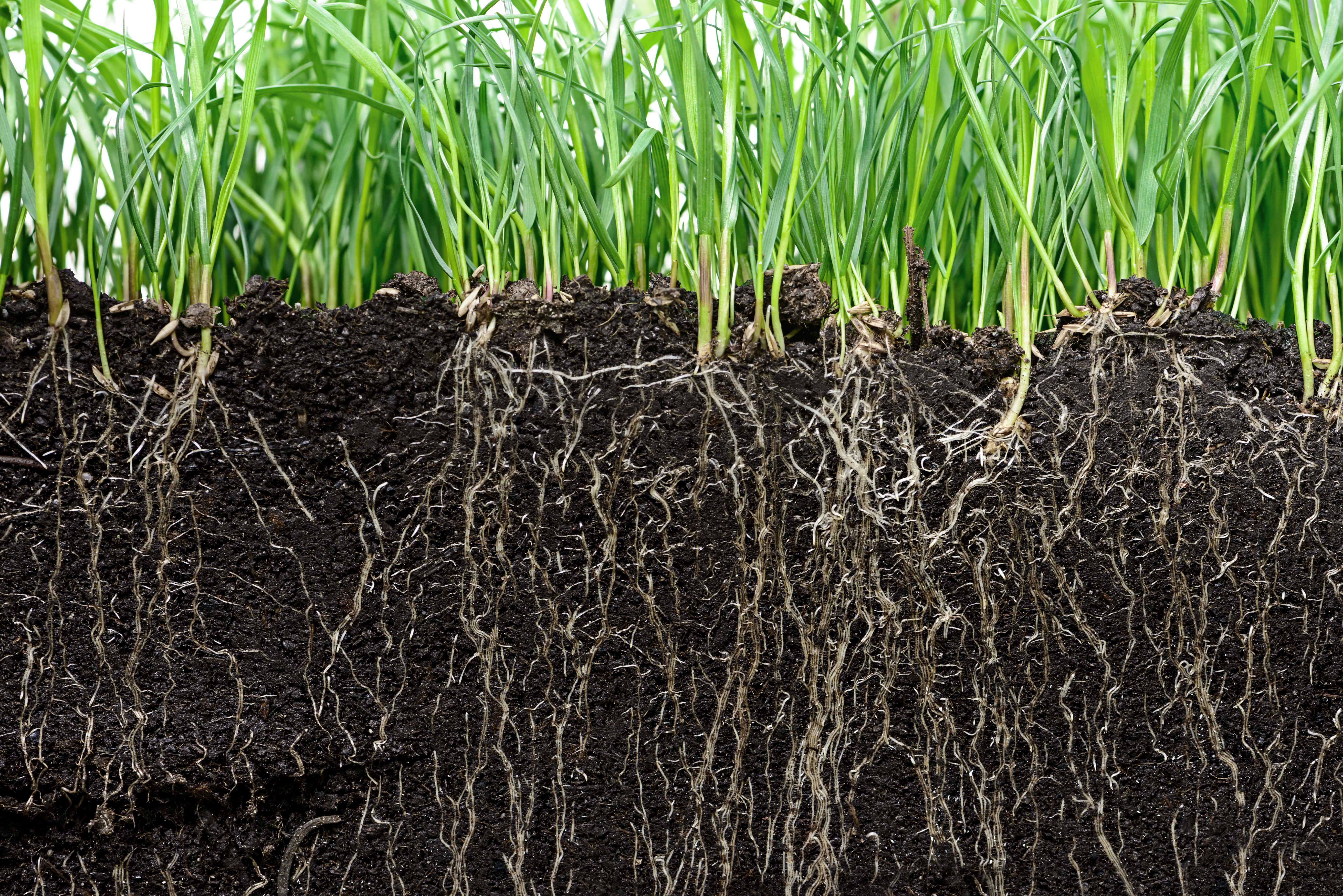
Nutrients
Essential for plant and microorganism growth. Elements like zinc, copper, iron, and manganese are crucial for photosynthesis, enzyme activity, and nutrient uptake.
Soil preparation
When the soil is well prepared beforehand, this is no guarantee that the growing season will go well. What effect does the fertiliser have and how is the soil reacting? How much has been absorbed by the crop? How much follow-up feeding is required?
Soil and Crop-based recommendations
Crop-based
The analysis determines both the bound and dissolved nutrients. The report provides you with information on all the nutrients present in the plant. The results are presented in g/kg, μg/kg, %/kg or mmol/kg dry matter. Based on the extensive database of target values for a wide range of crops, the report gives you advice whether the values presented in the analysis of your plant material match the guideline values for your crop.
Soil-based
Recommendations to invest in healthy and resilient soil for the future. The report gives you advice that takes into account the re-supply from the soil: advice for a four-week period and advice for until the end of the cultivation.

Available for different sectors
A rapid, international, standardised, outcome-based tool for farmers, land managers, agri-food companies, researchers, and policymakers to measure, benchmark, and improve soil health. Essential for resilient ecosystems, clean water, rich biodiversity, and thriving communities.
Download and read more!