Sodium (Na) - soil and crop
Definition
Sodium (Na) is a mineral present in soil and plants that influences the moisture balance within crops. While sodium is not considered an essential nutrient for plant growth, it can affect certain qualities of forage, such as palatability and dry matter intake.
Importance of sodium in crop production
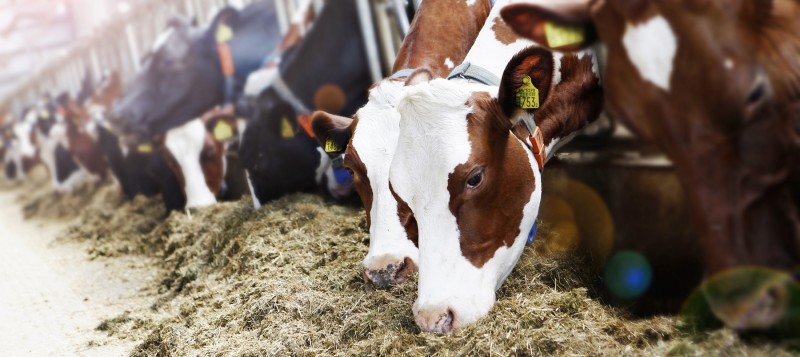
- Palatability and intake: Higher sodium levels do not increase grass yield but improve taste, leading to better dry matter consumption by livestock.
- Nutritional balance: Sodium levels in forage impact feed formulation for ruminants and other livestock.
- Crop variability: Grass and grass silage typically contain sufficient sodium, whereas crops like silage maize, CCM, beer brewers’ grains, pressed beet pulp, and cereals are naturally low in sodium.
Sodium content in common forages (Eurofins Agro, 2009–2013)
| Fresh grass | Grass silage | Maize silage | Lucerne | |
| Average | 2.1 | 2.4 | 0.2 | 0.9 |
| Target range | - | 2.0-3.0 | 0.1-0.3 |
Sodium dynamics in soil
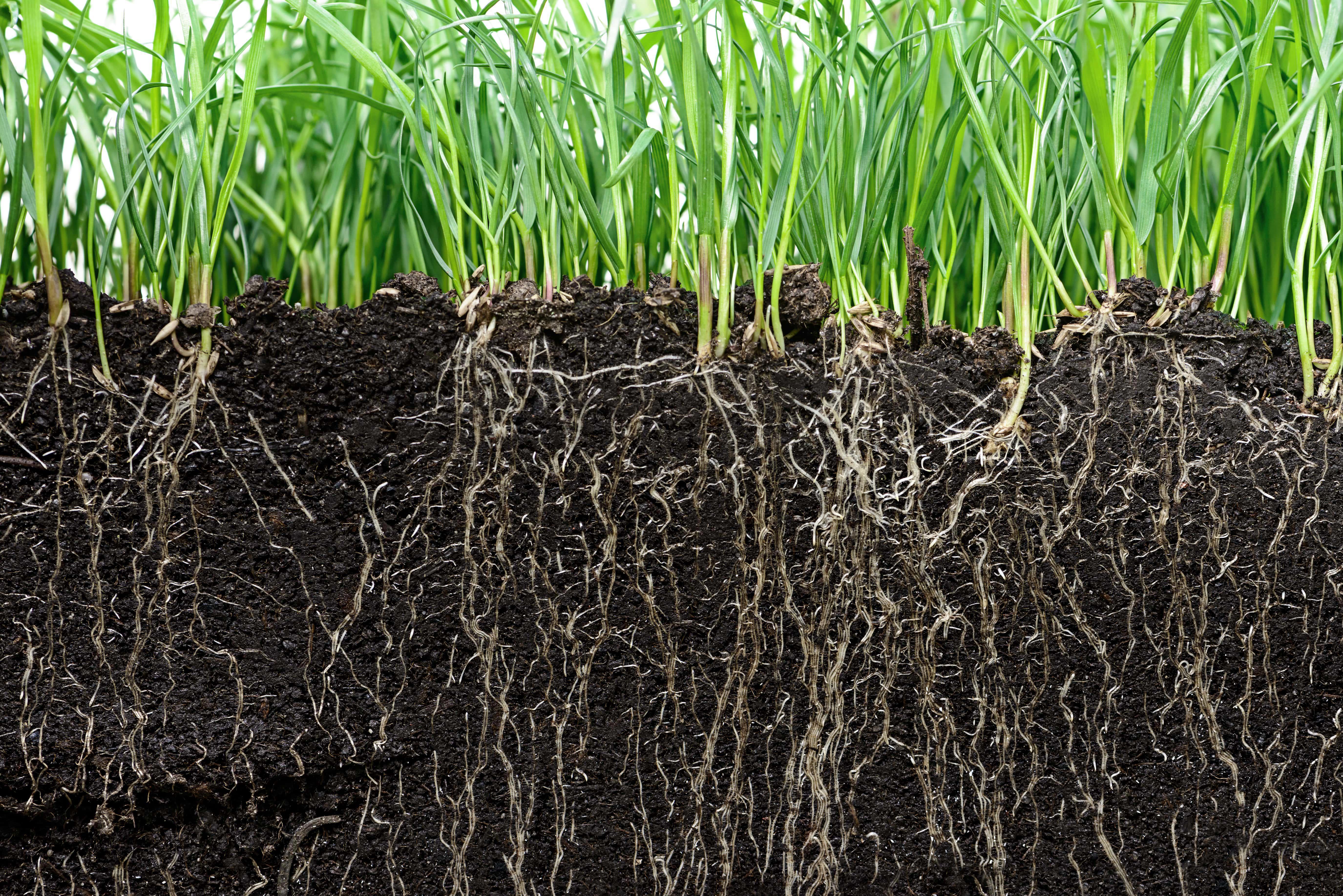
- Leaching risk: Sodium is highly prone to leaching, especially in sandy and valley soils, often resulting in low sodium availability.
- Competition with potassium: Sodium and potassium compete for uptake by plants. High potassium levels can reduce sodium absorption.