

- No Results
- Global
-
Australia
-
Austria

-
Azerbaijan

-
Brazil

-
Belgium

-
Canada

-
Chile

-
China

-
Costa Rica

-
Croatia

-
Czech Republic

-
Denmark

-
ESTONIA

-
Finland

-
France

-
Germany

-
Hong Kong

-
Hungary

-
India

-
Italy

-
Ireland

-
Japan

-
Korea

-
Latvia

-
Lithuania

-
Malaysia

-
Mexico

-
Morocco

-
Netherlands

-
New Zealand

-
Norway

-
Philippines

-
Poland

-
Portugal

-
Romania

-
Singapore

-
Slovakia

-
Slovenia

-
Spain

-
Sweden

-
Switzerland

-
Taiwan

-
Turkey

-
United Kingdom

-
UNITED ARAB EMIRATES

-
United States
-
Vietnam

Regulatory must reads: EO Sterilization in transition – regulatory shifts & industry impact
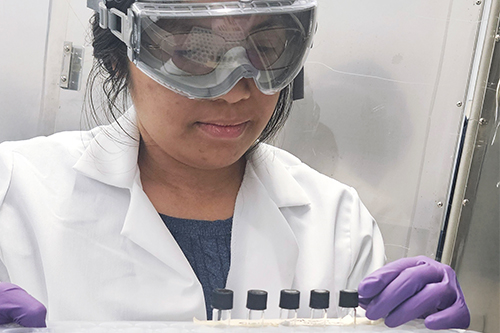 Jessi Dōne, Sr. Director of Microbiology & Sterilization, Medical Device Services
Ethylene oxide (EO) sterilization remains essential to the medical device industry, responsible for sterilizing nearly half of all devices. Its ability to penetrate complex geometries and sterilize heat- and moisture-sensitive materials makes it indispensable, despite increasing environmental and health concerns.
However, recent regulatory changes—including updates to NESHAP under the Clean Air Act, FIFRA, and evolving ISO standards—are significantly reshaping EO sterilization practices. Manufacturers must now reassess sterilization cycles, validate EO residuals, and work closely with service providers to maintain compliance, protect patient safety, and avoid delays or regulatory setbacks.
Stricter regulations reshape compliance - NESHAP & FIFRA updates
The EPA’s March 2024 NESHAP amendments require EO sterilization facilities to achieve further emissions reductions through enhanced emissions capture, control technologies, and monitoring. Compliance timelines are phased, with most facilities expected to meet requirements by 2026–2027.
FIFRA introduces additional constraints, including a cap of 600 mg/L per sterilization cycle by 2035 unless otherwise justified, and a reduction in worker exposure limits from 1 ppm to 0.1 ppm. These changes are driving upgrades in ventilation and monitoring systems, longer aeration times, and widespread revalidation of sterilization cycles.
Impact for manufacturers
Manufacturers must evaluate existing sterilization cycles and processes to ensure compliance while maintaining sterility assurance. This includes reassessing validated products and implementing process adjustments to meet standards.
ISO standards add complexity - ISO 11135 and ISO 10993-7
Proposed updates to ISO 11135 and revisions to ISO 10993-7 introduce more rigorous expectations. ISO 11135 continues to guide the development, validation, and control of EO sterilization cycles, while ISO 10993-7 establishes updated EO residual limits using a more detailed, risk-based framework. Manufacturers will need to reassess cycle parameters, validate modified processes, and ensure EO residuals meet stricter limits— particularly for pediatric and sensitive populations. Residual calculations now incorporate body mass and device usage, increasing the need for robust documentation and risk assessments.
Evolving approach to EO cycle development
The proposed ISO 11135 revisions encourage a shift toward biologically based sterilization strategies. Rather than defaulting to traditional overkill methods, manufacturers are guided to tailor cycles based on actual microbial challenges and product characteristics. This enables optimized EO usage, reducing environmental impact and residuals while maintaining required sterility assurance levels. Additional emphasis is placed on:
- Design and selection of process challenge devices (PCDs)
- Standardization of biological indicators
- Packaging performance, including EO, moisture, and heat transfer characteristics
These factors are critical to ensuring effective sterilization and minimizing EO residuals.
Navigating revised EO residual limits
The updated ISO 10993-7 framework applies a risk-based approach to EO residuals, factoring in body mass, duration of use, and frequency of exposure. A standard adult body mass of 60 kg is now used, with lower values applied to children, infants, and neonates—often resulting in stricter residual limits.
The standard also introduces a concomitant exposure factor to account for multiple devices used simultaneously, as well as detailed calculations based on duration and frequency of use. These changes require comprehensive documentation, risk assessments, and testing strategies.
Gap assessments are critical to determine whether devices and packaging configurations meet new limits. Devices intended for lower body mass populations or specialized use cases, such as intraocular devices, require particularly stringent evaluation due to higher sensitivity to EO exposure.
Reevaluation and compliance strategy
Reevaluating EO sterilization processes requires a holistic review of product history, cycle performance, microbiological data, and prior EO residual results. Manufacturers must develop structured reevaluation plans, including protocol design, testing strategies, and validation updates.
Master change with Eurofins Medical Device Services
Given the scope of regulatory changes, manufacturers will need to reevaluate previously validated products and sterilization cycles. Eurofins Medical Device Services supports this transition with:
- EO cycle development and optimization
- Revalidation aligned with updated standards
- EO residual testing and risk-based assessments
- Regulatory guidance and documentation support
Through a collaborative and end-to-end approach, Eurofins helps manufacturers navigate complex requirements, maintain safety and quality standards, and avoid costly delays or supply disruptions—ultimately reducing risk and accelerating time to market. For more information, visit: Eurofins.com/medical-device
Contact Us