As potato harvest draws to a close, attention turns to planning for the next cropping year. Once crops have been lifted, growers and agronomists can start assessing what may need attention before potatoes return to the rotation.
One important consideration is potato cyst nematodes (PCN), primarily Globodera rostochiensis and Globodera pallida. PCN can survive in soil for more than 20 years, reduce potato yields and potentially restrict the movement and export of potatoes and planting material.
Knowing whether PCN is present can provide useful information when assessing the risks associated with future potato cropping.
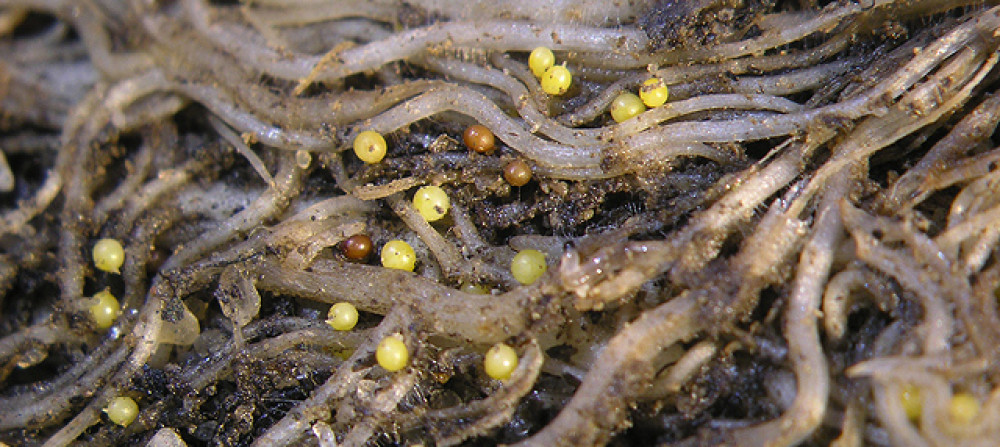
Looking below the surface
Nematodes are not something that can be assessed simply by looking at the soil. Testing provides information that can support decisions about future cropping and management.
For potato growers, PCN is an important crop-specific risk to consider when planning future potato production.
Representative soil sampling after harvest can provide valuable information on the PCN population and help assess the risk for future potato cropping. Testing at this stage can provide information that growers and agronomists can take into account when planning future potato production.
From testing to future cropping decisions
The value of testing lies in having information available before decisions about future potato crops are made.
PCN results can be considered alongside other information about the field, cropping history and plans for the next rotation. This helps growers and agronomists build a clearer picture of the land before potatoes return to it.
This is also why considering PCN testing after harvest can fit into longer-term crop planning: rather than waiting until the next potato crop is approaching, potential risks can be considered earlier.
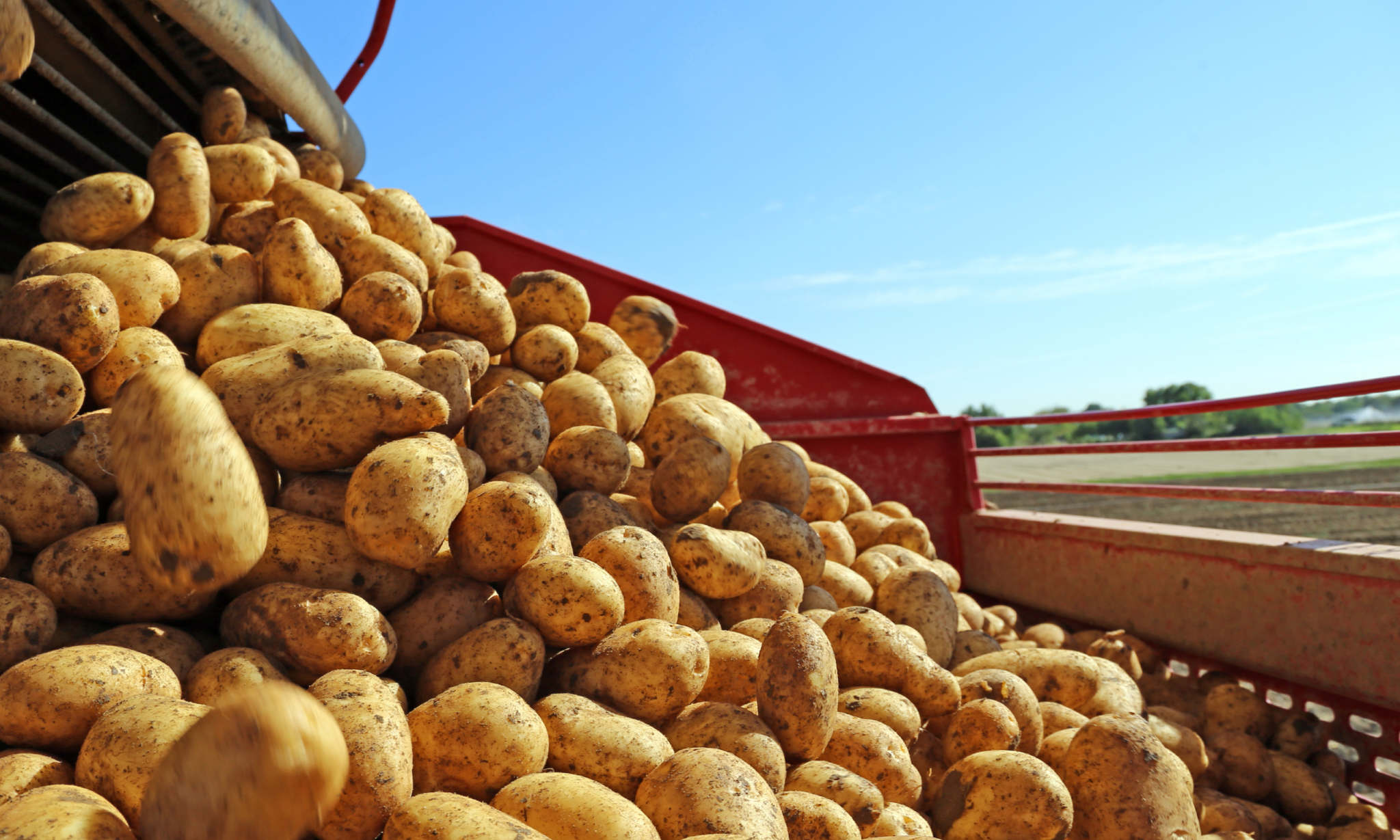
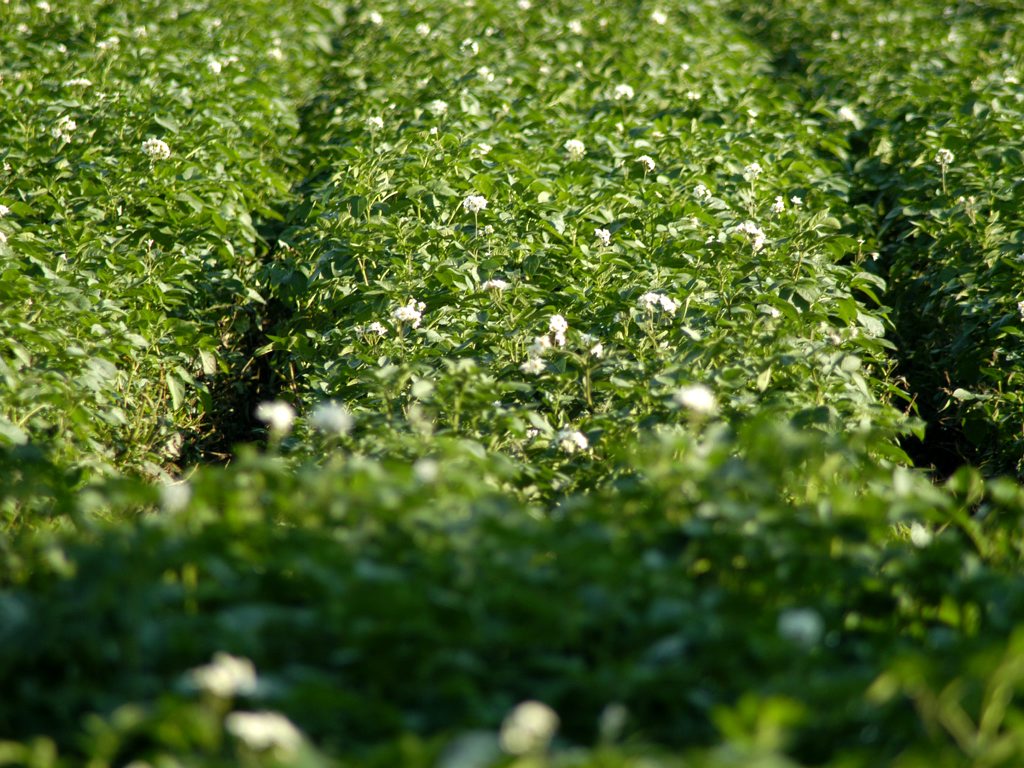
Looking ahead to the next potato crop
The end of harvest is not only the end of one cropping season. It is also the start of planning for the next.
Understanding the PCN population in a field helps growers and agronomists make informed decisions on crop rotation, potato variety and other management measures before the next potato crop is planted.
Plan ahead with better insight
Learn more about PCN and nematode testing, or discuss your testing requirements with our team.